Your Roadmap to Boston Youth Sports: How to Get Involved and What You Need to Know to Start
From Dorchester to Brookline, grassroots clubs across the city are opening doors to young athletes—here's where to begin.
From Dorchester to Brookline, grassroots clubs across the city are opening doors to young athletes—here's where to begin.
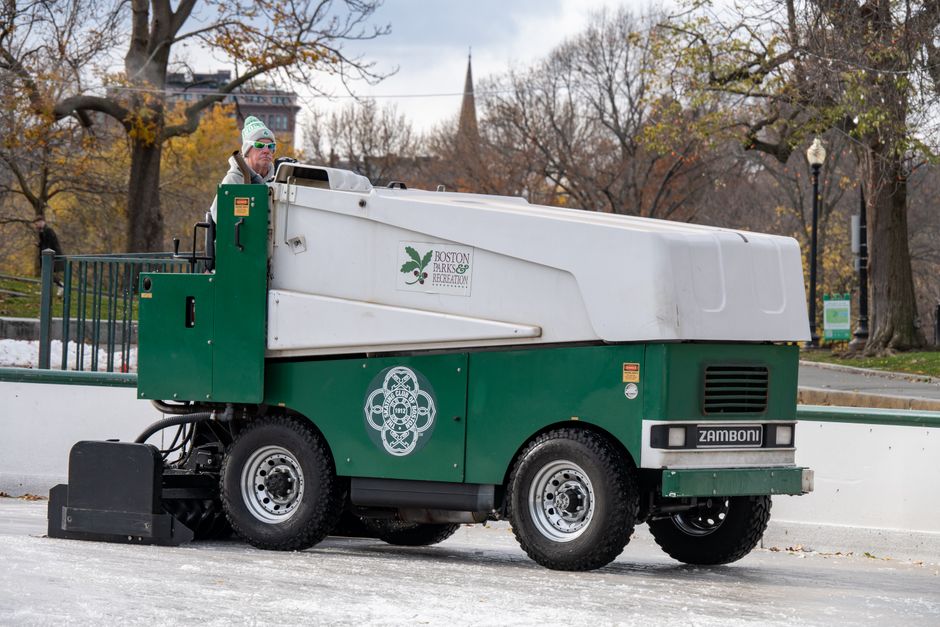
Whether your child is kicking a soccer ball in Franklin Park or learning to swing a bat at a neighbourhood diamond, Boston's grassroots sports ecosystem offers pathways for young athletes at every skill level. But navigating the landscape of youth clubs, leagues, and development programmes can feel overwhelming. Here's what parents and young people need to know to take that first step.
Boston Parks and Recreation runs the city's most accessible entry point, operating 32 community centres across neighbourhoods from Roslindale to East Boston. Summer and winter programmes typically cost between $75 and $200 per season, with scholarships available for families earning under $50,000 annually. The Streetworkers Programme, based in Roxbury and Dorchester, offers free basketball and football coaching to youth aged 6-18, focusing deliberately on communities with fewer private club options.
For sport-specific development, independent clubs fill crucial gaps. Organisations like the Boston Youth Soccer League (BYSL) operate across the city's major parks, including Columbus Park in the North End and Moakley Park in South Boston. Registration typically opens in July for fall seasons and costs around $150-$300 depending on age and competitive level. Similarly, the Dorchester Youth Hockey Association uses rinks including the Fontaine Ice Arena, with fees ranging from $400-$800 for full seasons, though equipment costs require separate budgeting.
The city's affluent suburbs—Brookline, Newton, and Wellesley—maintain well-funded municipal programmes with higher participation fees, often $300-$500 per season. However, urban clubs deliberately maintain lower barriers to entry. The Haitian Americans United for Progress Youth Sports Initiative in Mattapan, for example, charges minimal fees and provides equipment access on a needs basis.
Before committing, families should: verify club insurance coverage and coaching certifications through the American Youth Soccer Organisation or similar bodies; ask about equipment requirements and whether clubs offer subsidised gear; confirm practice locations and transportation feasibility; and understand whether programmes emphasise recreational play or competitive advancement.
Boston's youth sports infrastructure has expanded significantly over the past decade, with investment from initiatives like the Sports Legacy Institute targeting underserved neighbourhoods. Yet capacity gaps remain real. Many community centres maintain waiting lists during peak seasons, particularly for popular sports like basketball and soccer.
The takeaway: start local. Visit your nearest Parks and Recreation centre, attend open registration events in your neighbourhood, and don't hesitate to ask about financial assistance. Boston's grassroots clubs exist precisely because communities recognise that athletic opportunity shouldn't depend on zip code.
This article was compiled by AI from the sources linked above and screened before publishing. See our editorial standards.
How does this story make you feel?
Spread the word
About this article
Published by The Daily Boston
Daily brief
Free, in your inbox before 7am. Weekdays.
More in Sport