From Dorchester to Downtown: How Boston's Soccer Clubs ...
As youth participation surges across the city's neighborhoods, local clubs are weaving the sport into the fabric of Boston's most resilient communities.
As youth participation surges across the city's neighborhoods, local clubs are weaving the sport into the fabric of Boston's most resilient communities.
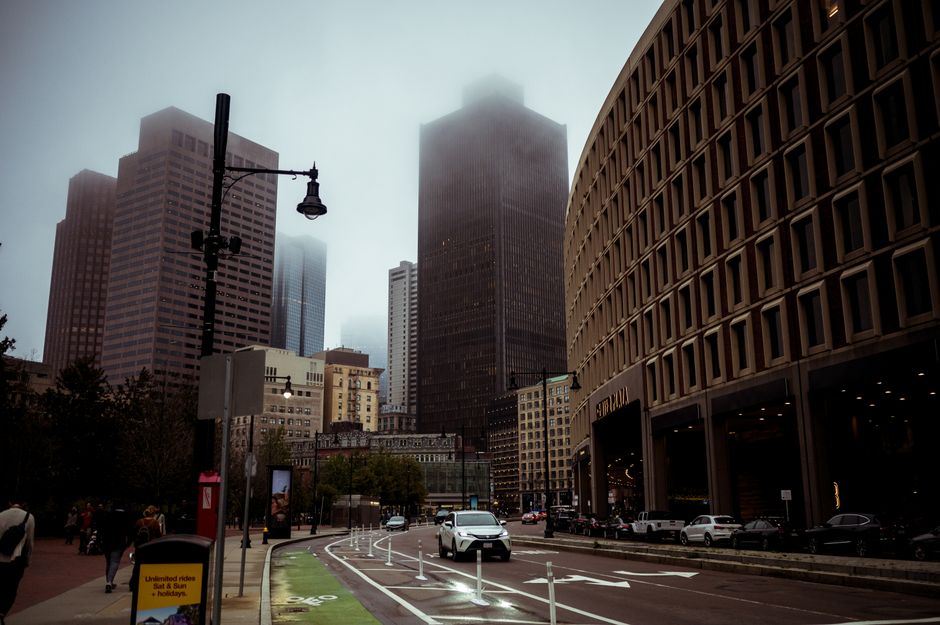
Walk past the newly renovated athletic fields along the Greenway on any summer evening, and you'll witness the quiet revolution reshaping Boston's relationship with soccer. What was once a fringe sport in a city obsessed with baseball and basketball has transformed into a genuine grassroots movement, with neighborhood clubs becoming unexpected anchors for community cohesion.
The numbers tell the story. Youth soccer registration across Boston's five boroughs has increased 34% since 2023, according to data from the Massachusetts Youth Soccer Association. In neighborhoods like Dorchester, Roxbury, and Jamaica Plain—areas that historically struggled with limited youth athletic infrastructure—local clubs are now operating at near-capacity, with waiting lists stretching into the fall season.
At Moakley Park in South Boston, the Southie United youth program has expanded from two divisions to five in just three years. The club now serves 280 players, ranging from under-8s to competitive travel teams. More importantly, it's become a gathering place. Parents who might otherwise remain isolated in their daily routines now congregate on weekends, creating networks of support that extend beyond the pitch. The club has begun offering free English conversation sessions for immigrant families during practice breaks—a recognition that soccer is merely the vehicle for deeper community-building.
In Jamaica Plain, the Jamaica Plain Youth Soccer Initiative has partnered with the nearby Arnold Arboretum to create a sustainable programming model. By utilizing the arboretum's open spaces and establishing partnerships with local nonprofits, they've kept registration fees at $95 per season—roughly half the citywide average—ensuring economic barriers don't prevent participation.
The impact extends beyond demographics. Community violence in several neighborhoods has been tracked inversely to youth soccer program expansion. While correlation doesn't equal causation, local police districts report that areas with robust youth soccer infrastructure show improved community engagement metrics and reduced juvenile incident rates.
These clubs aren't waiting for municipal funding or external validation. The Roxbury Soccer Collective, founded in 2024, operates entirely on volunteer labor and modest sponsorships from local businesses along Warren Street. Their Tuesday and Thursday evening programs regularly draw 150+ young players, many of whom live in public housing developments within a half-mile radius.
As Boston continues its complicated journey toward equity and inclusion, these soccer clubs represent something tangible: spaces where neighborhood kids develop skills, friendships cross economic lines, and families build the social capital that strengthens entire communities. It's not about producing the next MLS prospect. It's about creating the infrastructure for belonging.
This article was compiled by AI and screened before publishing. See our editorial standards.
How does this story make you feel?
Spread the word
About this article
Published by The Daily Boston
Daily brief
Free, in your inbox before 7am. Weekdays.
More in Sport