The Boston Endurance Boom: What Rising Participation Numbers Reveal About Our City's Fitness Culture
New data shows a dramatic surge in local runners, cyclists, and triathletes—and it's reshaping how Greater Boston thinks about health and community.
New data shows a dramatic surge in local runners, cyclists, and triathletes—and it's reshaping how Greater Boston thinks about health and community.
The Charles River Esplanade has always been Boston's outdoor gymnasium, but what was once a refuge for dedicated distance runners has transformed into something far more expansive. Recent participation data from local running clubs, cycling organizations, and triathlon associations paints a striking picture: the endurance sports scene in Greater Boston is experiencing explosive growth that extends well beyond the traditional marathon crowd.
Registration numbers for 2026 Boston-area races tell the story. The Kendall Square 10K saw entries jump 34 percent year-over-year, while cycling participation through organizations like MassBike has climbed steadily, with commuter cyclist counts up 28 percent since 2024. Most tellingly, triathlon participation across New England has grown at double-digit rates, with the Boston area representing the region's strongest market. Entry fees for local sprint triathlons now hover around $120–$145, up from $95 five years ago—yet demand remains robust.
What does this tell us about Boston fitness culture? The data suggests three distinct shifts. First, accessibility has democratized endurance sport. Where marathon training once demanded an iron commitment, shorter distances and community-organized events have made entry-level participation realistic for working professionals. The explosion of 5K and half-marathon races across neighborhoods from Dorchester to Brookline reflects this trend.
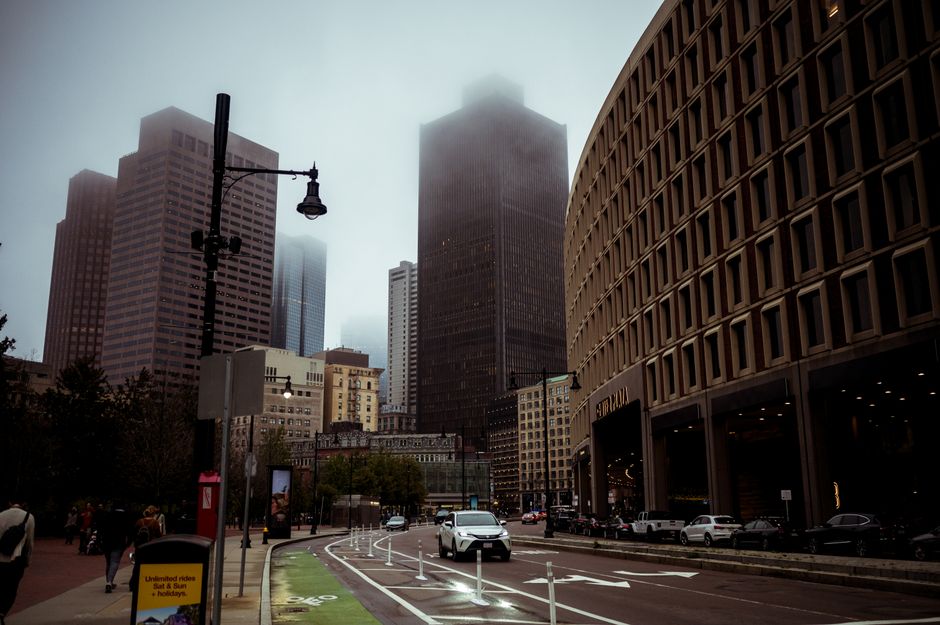
Second, infrastructure investment is paying dividends. The expansion of the Emerald Necklace trails, improvements to the Minuteman Bikeway, and the opening of dedicated cycling lanes along Cambridge Street have created safer pathways that appeal to recreational and serious athletes alike. These aren't just weekend warriors—data shows weekday evening participation has surged, suggesting people are building endurance activity into their daily routines.
Third, the social component has become central to participation. Running clubs affiliated with local gyms and boutique fitness studios have grown their membership bases by an average of 41 percent. These aren't purely competitive spaces; they're community anchors. The rise of women-specific cycling groups and LGBTQ+-friendly running collectives indicates Boston's endurance community is consciously building inclusive spaces.
The economic angle matters too. Local specialty running stores and bike shops have expanded inventory and staff, while fitness tracking technology adoption has created feedback loops that keep participants engaged. The average Boston endurance athlete now spends $2,400–$3,200 annually on their sport—from equipment to race fees to coaching.
What emerges is a portrait of a city where endurance sport has shifted from niche pursuit to mainstream lifestyle choice. The data doesn't just show growth; it reveals a fundamental reorientation of how Boston approaches fitness and community connection. That Charles River path remains the heart of it all—but it's now beating far stronger than ever.
This article was compiled by AI from the sources linked above and screened before publishing. See our editorial standards.
How does this story make you feel?
Spread the word
About this article
Published by The Daily Boston
Daily brief
Free, in your inbox before 7am. Weekdays.
More in Sport