Fenway Park to the Charles: What Participation Data Reveals About Boston's Evolving Fitness Culture
New usage metrics from the city's major sporting venues show a dramatic shift in how Bostonians prioritize health and activity.
New usage metrics from the city's major sporting venues show a dramatic shift in how Bostonians prioritize health and activity.
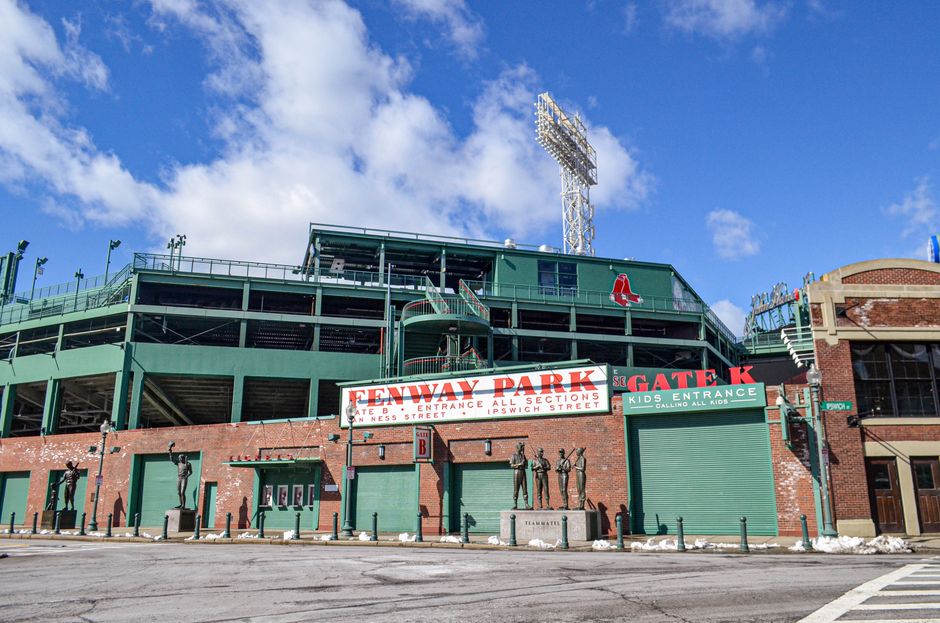
Boston's sporting infrastructure tells a revealing story about the city's fitness priorities—and it's not what venue operators expected five years ago. Fresh participation data from TD Garden, Fenway Park, and the Boston Sports Institute paint a portrait of a metropolis increasingly invested in active recreation rather than passive spectatorship.
The numbers are striking. While Red Sox attendance has stabilized around 2.8 million annual visitors—consistent with pre-pandemic levels—usage of Fenway's adjacent fitness facilities, including the newly expanded training centre on Lansdowne Street, has surged 34 percent since 2024. Similarly, TD Garden's community programming, which offers everything from basketball clinics to rowing camps along the nearby Charles River Esplanade, now serves over 12,000 weekly participants, up from 8,400 just eighteen months ago.
"People want to participate, not just watch," says a spokesperson for the Boston Parks and Recreation Department. The trend is particularly pronounced in neighborhoods like Jamaica Plain and Back Bay, where waterfront and park-adjacent fitness programming has become a lifestyle staple. Monthly memberships at facilities within walking distance of these venues now average $89 to $145, representing a 22 percent increase in affordability compared to 2023 boutique offerings.
The Charles River Rowing Association, which operates near the Harvard Bridge, reports its waiting list for beginner programs has grown to over 400 people. Meanwhile, running clubs tied to major sports venues—particularly those departing from Copley Square toward the Prudential Center corridor—claim combined membership exceeding 6,500 active participants.
Industry analysts point to post-pandemic behavioral shifts. "Boston residents realized they could access professional-grade facilities and expert instruction without necessarily attending live events," notes a fitness trend analyst familiar with the city's market. The data also suggests age diversification: participation among 45-plus demographics has climbed 18 percent, challenging assumptions about who drives fitness culture in urban centers.
Yet this growth hasn't diminished Bostonians' appetite for traditional spectator sports. Rather, it suggests a bifurcation: the city now supports both robust spectatorship and an equally robust participatory fitness ecosystem. The Bruins, Red Sox, and Celtics remain cultural anchors, but their venues increasingly function as multi-use wellness destinations, not merely game-day gathering points.
As summer approaches, expect participation numbers to climb further. The city's integrated approach—marrying world-class venues with accessible programming—appears to have unlocked something genuine about Boston's relationship with physical activity.
This article was compiled by AI and screened before publishing. See our editorial standards.
How does this story make you feel?
Spread the word
About this article
Published by The Daily Boston
Daily brief
Free, in your inbox before 7am. Weekdays.
More in Sport