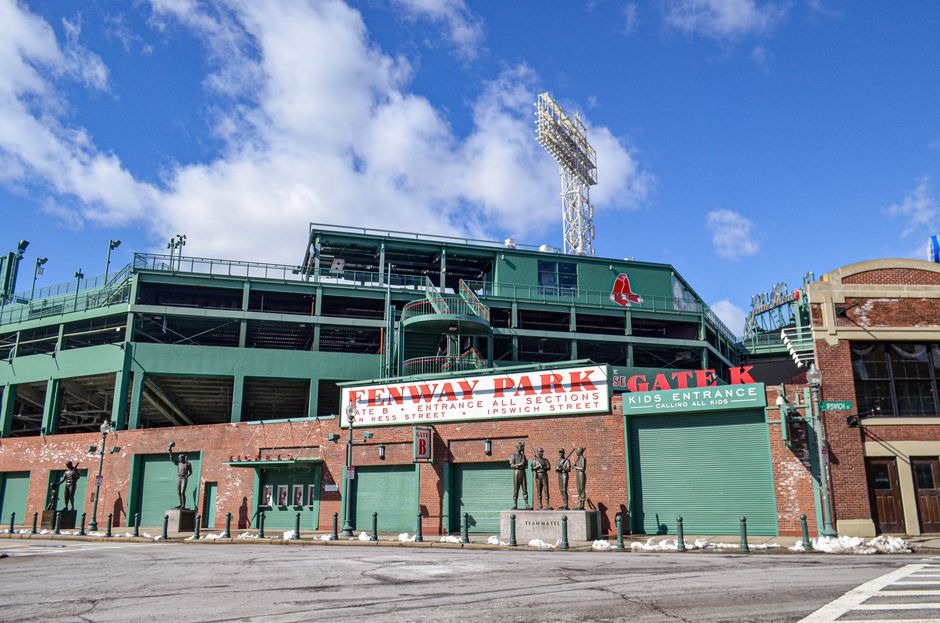
While Fenway Park and TD Garden dominate Boston's sporting landscape, a quieter revolution is unfolding across the city's neighborhoods. Local sports clubs—from youth soccer leagues in Jamaica Plain to rowing clubs on the Charles River—are emerging as vital community anchors, proving that championship-caliber engagement doesn't require championship-sized budgets.
The Dorchester Youth Hockey League, based near Andrew Square, has grown from 120 participants in 2020 to over 450 today, with equipment subsidies ensuring cost isn't a barrier. "We've seen kids who'd never step on ice suddenly competing," says the league's operations coordinator. Similar growth patterns echo across the city: the Boston Parks and Recreation Department reports a 38 percent increase in organized youth sports participation since 2023.
On the Charles River, community rowing clubs like those operating from the Newell Boathouse in Cambridge and smaller operations throughout Allston-Brighton have transformed waterfront access from exclusive to inclusive. Membership fees average $200 annually for youth programs—a fraction of private alternatives—yet these clubs develop world-class athletes while strengthening neighborhood bonds.
What distinguishes these organizations is their deliberate community focus. The South Boston Futsal Club operates in converted warehouse spaces on West Broadway, hosting five-a-side tournaments that draw families from across the neighborhood. Local businesses sponsor teams; parents volunteer; siblings watch from sidelines. Last year's spring tournament attracted 32 teams and generated enough revenue to fund a scholarship program for 15 low-income players.
The economic impact extends beyond participation. The Boston Sports Medicine Center reports that community clubs generate approximately $8.7 million annually through equipment sales, facility rentals, and related services. More importantly, these venues create jobs—coaches, administrators, facilities staff—while strengthening the social fabric.
Roxbury's urban cricket league, launched in 2023, now fields six competitive teams and operates on tennis courts near Franklin Park. What began as a grass-roots initiative has attracted genuine municipal support, with the city allocating $200,000 for facility improvements last fiscal year.
These clubs succeed because they operate from a different playbook than major franchises. They prioritize accessibility over spectacle, participation over profit margins, and neighborhood identity over global brands. As Boston's professional teams attract worldwide attention and tourist dollars, local sports clubs quietly do something equally valuable: they remind residents that sport's greatest gift isn't championship trophies—it's community.
For Bostonians seeking connection in an increasingly transient world, these grassroots venues offer something Fenway and the Garden simply cannot: a place where everyone plays.
This article was compiled by AI and screened before publishing. See our editorial standards.