Celtics' Championship Window Reshapes Boston Arena Landscape as Franchise Eyes Summer Moves
With the green dynasty in full stride, TD Garden and surrounding Causeway Street corridors buzz with unprecedented urgency around roster construction.
With the green dynasty in full stride, TD Garden and surrounding Causeway Street corridors buzz with unprecedented urgency around roster construction.
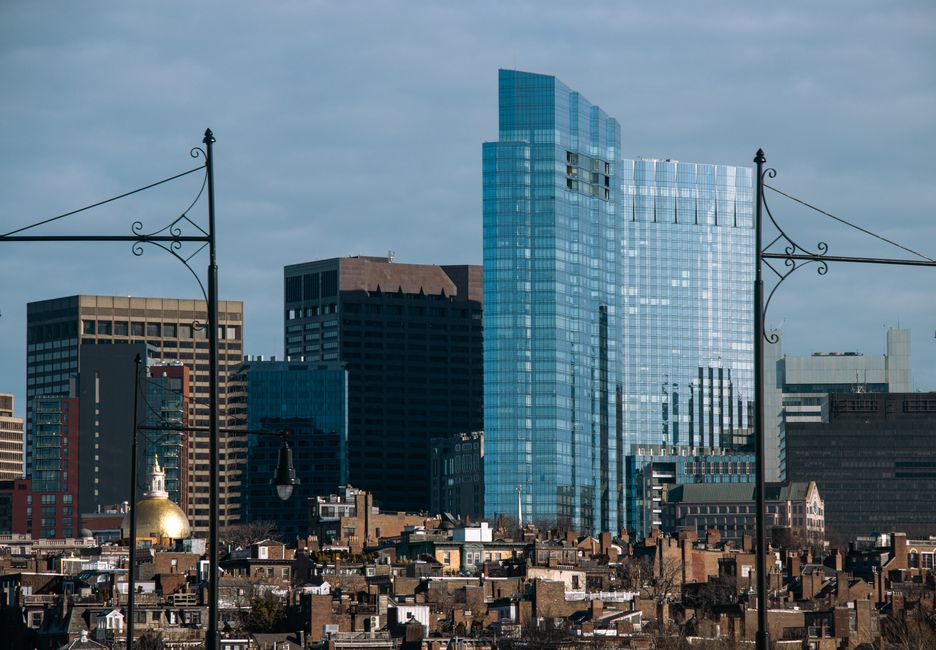
The Boston Celtics' relentless pursuit of a second championship in three years has transformed TD Garden into something more than a venue—it's become the epicenter of a franchise operating with singular focus. As June trades wind toward July, the Garden's executive suites on Causeway Street are humming with activity that ripples through every corner of the city's sports infrastructure.
The Celtics' sustained excellence has forced front-office decisions of remarkable complexity. With payroll considerations pushing against league restrictions and the salary cap ceiling looming at $140.6 million for the 2026-27 season, president of basketball operations Brad Stevens faces the kind of strategic chess match that defines championship windows. The team's depth—forged through last season's Finals triumph—means that every marginal addition carries outsized significance.
This urgency has particular implications for the broader Boston sports real estate question. While Fenway Park remains the Red Sox's home and Gillette Stadium hosts the Patriots in Foxborough, TD Garden's 19,000-seat capacity makes it the city's most valuable asset during basketball season. League sources indicate the Celtics have increased their front-office presence at the Garden, with additional workspace being allocated for the expanded analytics department that now competes with rival franchises for data-science talent.
The venue's significance extends beyond the court. Summer League teams, coaching staff evaluations, and prospect workouts—typically scattered across secondary facilities—are increasingly consolidated at the Garden's practice facilities in the Seaport District. The logistical consolidation reflects how thoroughly the franchise has optimized every competitive advantage.
Local business observers note the commercial ripple effects. Hotels along the Greenway report heightened June occupancy as league scouts, rival executives, and agent contingents converge for the draft and free agency period. The Causeway Street corridor—long animated by game-night crowds—now sustains weekday foot traffic during these critical roster-construction weeks.
For longtime Boston sports enthusiasts, the current moment echoes previous championship eras. The 2004 Red Sox transformed Fenway into a symbol of unprecedented success. The 2001-2004 Patriots made Gillette a fortress. Now, as the Celtics navigate their championship window with methodical precision, TD Garden has become synonymous with organizational excellence.
The question facing Stevens and ownership isn't whether this core can compete—recent results prove it can. It's whether the arena's walls, the city's infrastructure, and the franchise's financial flexibility can support the marginal moves necessary to sustain dominance. For Boston sports fans, the answer will define the next chapter.
This article was compiled by AI from the sources linked above and screened before publishing. See our editorial standards.
How does this story make you feel?
Spread the word
About this article
Published by The Daily Boston
Daily brief
Free, in your inbox before 7am. Weekdays.
More in Sport