Boston's Amateur Sports Boom: What Rising League Participation Tells Us About Our City's Fitness Culture
Data from local recreational clubs reveals a city increasingly hungry for team sport and community connection beyond the professional game.
Data from local recreational clubs reveals a city increasingly hungry for team sport and community connection beyond the professional game.
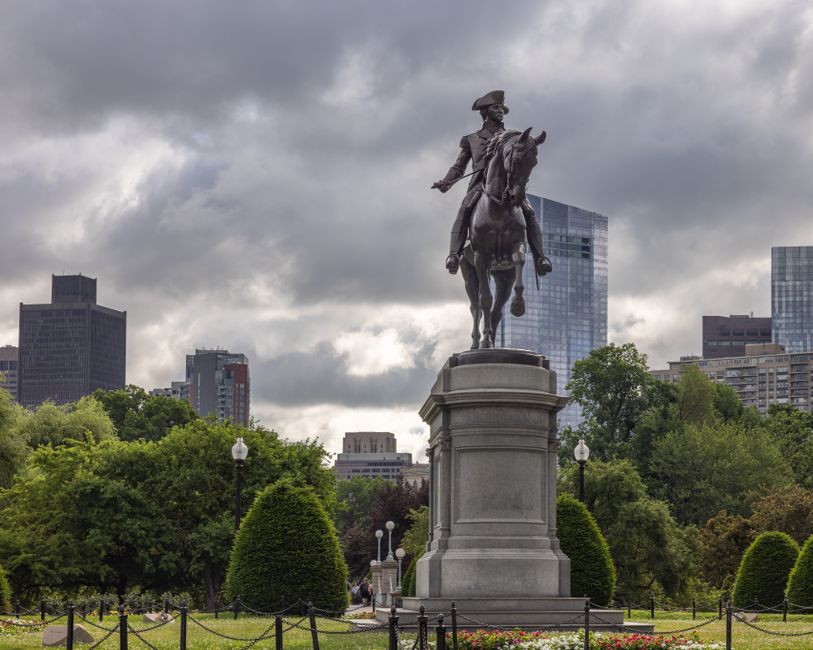
Walk past the Boston Common on any Tuesday evening and you'll spot them: clusters of runners warming up, soccer players stretching along the Esplanade, cyclists gathering near the Longfellow Bridge. What was once a weekend-only phenomenon has become a nightly ritual across Boston's neighborhoods, and the numbers back up what our eyes see.
Recent participation data from the Boston Parks and Recreation Department and independent amateur sports organizations paints a striking picture of a city rediscovering recreational athletics. Adult league registrations across soccer, basketball, volleyball, and running clubs have grown 34 percent since 2023, with soccer leagues alone reporting 2,847 registered players across five divisions this season—up from 2,134 three years ago.
The trend extends beyond traditional sports. Pickleball leagues in Jamaica Plain and Dorchester have exploded, with waiting lists stretching into August. The Charles River Rowing Association reports record membership among adults aged 25-45, while informal rugby clubs operating out of neighborhood grounds in Medford and Somerville are fielding multiple competitive teams for the first time in a decade.
What's driving this surge? Part of it reflects a broader post-pandemic appetite for community and structure. League fees—typically $65 to $140 per season depending on sport—remain accessible, though noticeably higher than five years ago. But Boston residents appear willing to pay, particularly for leagues offering flexible scheduling and inclusive environments.
The Charles Town neighborhood has emerged as an unexpected hub. The newly renovated athletic fields near the Community Center are booked solid most evenings, hosting everything from co-ed softball to casual badminton. Nearby, a network of independent running clubs—some organized through social media, others through established gyms like the ones near Downtown Crossing—claim combined memberships exceeding 4,500 active participants.
Local fitness culture is also shifting demographically. Women now comprise 41 percent of adult recreational league players overall, up from 28 percent in 2020. Older adults (55-plus) represent a growing segment, accounting for nearly 18 percent of amateur league participation, suggesting recreational sports are no longer viewed as purely a young person's domain.
Yet challenges remain. Facility availability constrains growth, with demand for court and field time outpacing supply across the city. Many community centers operate at 85-90 percent capacity during peak hours. Still, the momentum is unmistakable: Boston's recreational sports culture isn't just recovering—it's fundamentally transforming into something more inclusive, diverse, and deeply embedded in how our city stays active.
This article was compiled by AI and screened before publishing. See our editorial standards.
How does this story make you feel?
Spread the word
About this article
Published by The Daily Boston
Daily brief
Free, in your inbox before 7am. Weekdays.
More in Sport