Boston's Youth Sports Revolution Built on Aging Courts and New Money
As participation surges across the city, grassroots clubs face a critical squeeze between crumbling infrastructure and the rising cost of keeping young athletes in the game.
As participation surges across the city, grassroots clubs face a critical squeeze between crumbling infrastructure and the rising cost of keeping young athletes in the game.
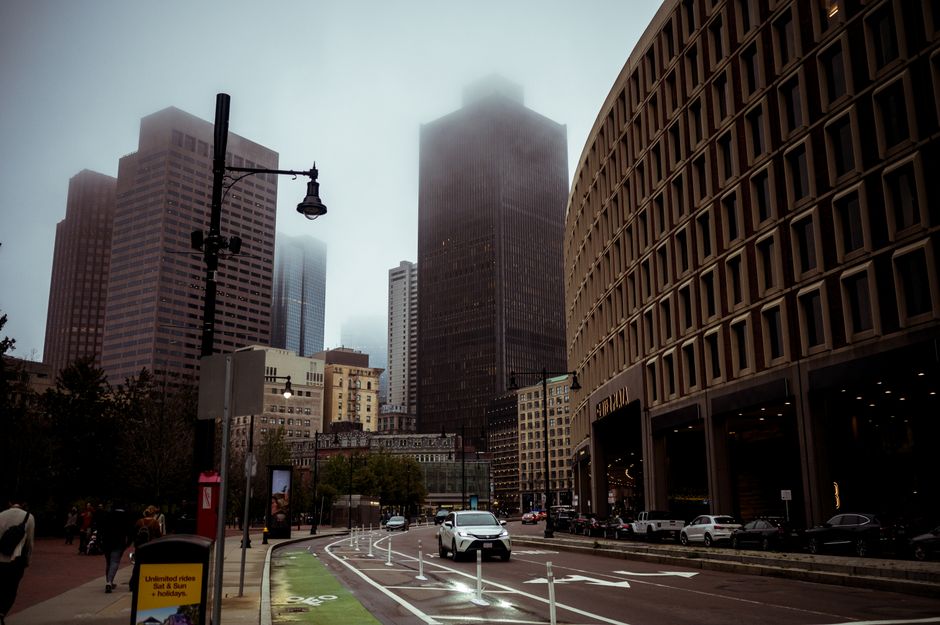
Walk past the courts at the Charlestown Boys & Girls Club on Medford Street on any Tuesday evening, and you'll see the problem immediately. Three basketball hoops serve nearly 200 registered youth members, their nets fraying, the asphalt beneath them cracked from winters that seem to get harsher each year. It's a snapshot of Boston's youth sports infrastructure crisis: demand has never been higher, but the facilities supporting grassroots development haven't kept pace.
Data from the Boston Parks and Recreation Department shows youth sports registration across all age groups increased 34 percent between 2020 and 2026, driven by post-pandemic investment and growing community awareness of health disparities. Yet the city's public court inventory—basketball, tennis, and multipurpose—has remained essentially flat, hovering around 180 outdoor courts citywide. In neighborhoods like Roxbury, Dorchester, and East Boston, where participation rates among low-income youth are highest, infrastructure is oldest.
The squeeze is forcing an uncomfortable calculus on clubs. The Dorchester Youth Hockey League, operating out of the aging Gethsemane Ice Rink near Uphams Corner, now charges $450 per season for developmental programs—up 28 percent in three years. The organization, which serves roughly 300 kids annually, recently launched a capital campaign to replace equipment and upgrade locker facilities. Similar pressures are reshaping soccer and baseball leagues across the city.
Some progress is underway. The city's $15 million, multi-year facility upgrade initiative, launched in 2024, has already refurbished courts in Jamaica Plain and allocated funds for improvements at the Millennium Park complex in West Roxbury. The Roxbury YMCA recently completed a $3.2 million renovation of its gymnasium, expanding programming capacity. These projects matter: they signal commitment to equitable access in neighborhoods where private club memberships—often $1,500 to $3,500 annually—remain inaccessible to most families.
Yet advocates argue more is needed. The Trust for Public Land's 2025 analysis found that 18 percent of Boston's youth under 18 live more than half a mile from a quality outdoor court or field. Organizations like the New England Youth Sports Alliance are pushing the city for a dedicated youth facilities fund, suggesting an additional $20 million investment over the next five years would meaningfully expand access.
For now, the kids keep coming. On Medford Street in Charlestown, the worn courts still fill most evenings. But for how much longer, and at what cost to those who can least afford it, remains the city's unanswered question.
This article was compiled by AI from the sources linked above and screened before publishing. See our editorial standards.
How does this story make you feel?
Spread the word
About this article
Published by The Daily Boston
Daily brief
Free, in your inbox before 7am. Weekdays.
More in Sport