Boston Rock Project's Elite Team Eyes National Championship After Historic Winter Season
The Seaport-based climbing collective has transformed competitive outdoor climbing in New England with a breakthrough run that's drawing national attention.
The Seaport-based climbing collective has transformed competitive outdoor climbing in New England with a breakthrough run that's drawing national attention.
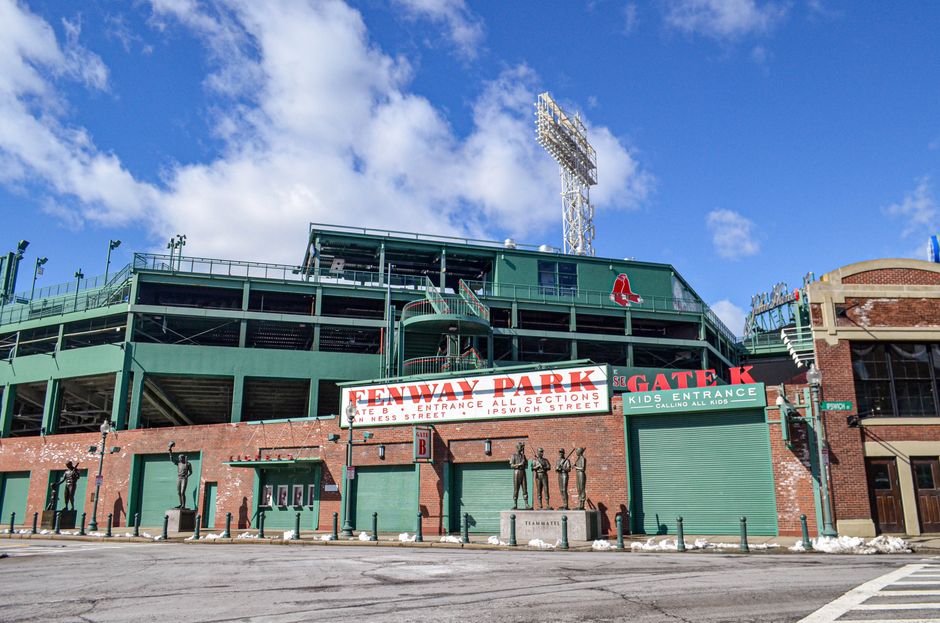
For years, competitive climbing in Boston existed in the shadows of CrossFit boxes and boutique gyms. That narrative shifted dramatically this season when Boston Rock Project, an elite climbing collective based in the Seaport District, qualified four athletes for the American Alpine Club's National Sport Climbing Championship—the first time a single Boston organization has achieved that feat.
The team's success represents a significant inflection point for outdoor adventure climbing in New England, a region historically overshadowed by climbing hubs in Colorado, Utah, and California. Boston Rock Project's members have been grinding through grueling training regimens at their home base near Fan Pier Boulevard, where they've installed one of the region's most technically demanding walls outside of commercial gyms.
What sets this team apart isn't just raw talent. Their approach combines meticulous training methodology with strategic partnerships at local climbing destinations. Members regularly undertake expeditions to Rumney, New Hampshire—a world-class climbing area roughly two hours north—and have been instrumental in developing new routes at Cathedral Ledge near North Conway. These efforts have elevated the profile of New England climbing considerably.
The team's breakthrough matters beyond personal achievement. Indoor climbing participation in Massachusetts has grown 34 percent since 2022, according to the Recreation Vehicle Industry Association. Yet that growth hasn't translated into competitive pipeline development—until now. Boston Rock Project has established a formal mentorship program, bringing younger climbers through their ranks with scientific progression models typically seen only in elite climbing academies in Europe and Asia.
Membership costs run between $180 and $320 monthly, positioning the program as accessible relative to similar collectives in other major cities. That democratization reflects the group's philosophy: world-class climbing shouldn't require relocation to Boulder or Moab.
The squad heads to nationals in August with genuine medal prospects. Their rising profile has already attracted sponsorship interest from outdoor equipment brands, with at least three companies reportedly in discussions about partnership deals. Local climbing gyms across the Boston area—from Back Bay Climbing in the South End to Vertical World near Alewife—report increased traffic from enthusiasts inspired by the team's momentum.
For a city built on professional sports dynasties, watching a homegrown climbing team contend at the national level feels like witnessing the early chapters of something larger. The rope is pulling upward from Boston now.
This article was compiled by AI from the sources linked above and screened before publishing. See our editorial standards.
How does this story make you feel?
Spread the word
About this article
Published by The Daily Boston
Daily brief
Free, in your inbox before 7am. Weekdays.
More in Sport