Boston's AI Gold Rush: How Local Startups Are Racing to Cash In on the Chatbot Boom
From Kendall Square to the Seaport, a new wave of artificial intelligence companies is reshaping the startup ecosystem—and turning heads on Sand Hill Road.
From Kendall Square to the Seaport, a new wave of artificial intelligence companies is reshaping the startup ecosystem—and turning heads on Sand Hill Road.
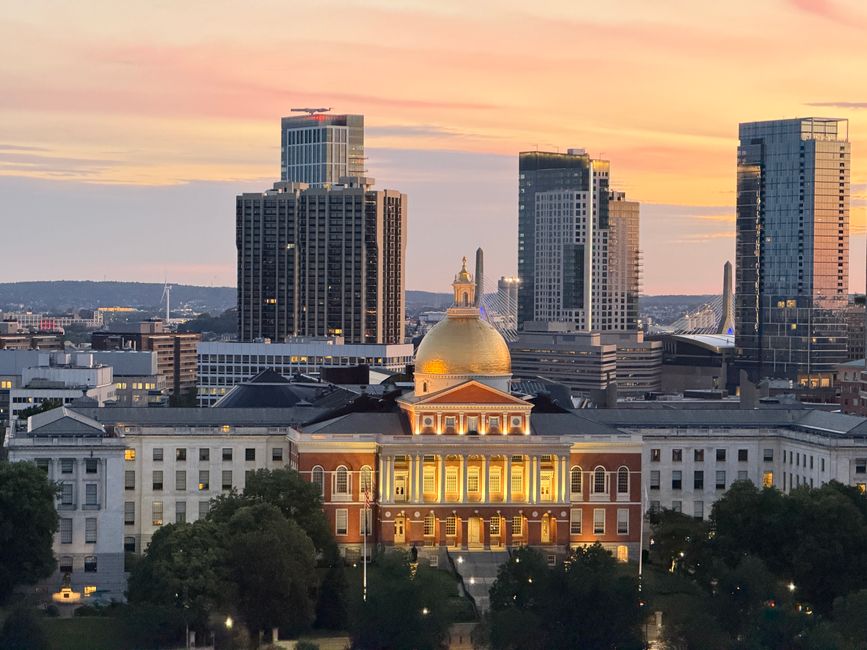
The startup scene in Boston has always thrived on reinvention. But walk through Kendall Square these days, and you'll notice something unmistakable: nearly every pitch deck mentions artificial intelligence. In the past eighteen months, the number of AI-focused startups founded in the Greater Boston area has more than doubled, according to data from the Boston Business Journal, with over 180 new ventures launching since early 2025.
The reasons are clear enough. MIT and Harvard's computer science programs continue to feed talent into the local ecosystem, while established tech giants like Amazon's AWS division and Google's Boston offices have created a ready-made market for enterprise AI solutions. But what's different now is the sheer commercial velocity. Six months ago, venture capitalists were cautious about AI valuations. Today, Series A rounds north of $15 million for promising AI teams are becoming routine.
"The momentum is real," says the tech community across the innovation hubs clustered near the Charles River. Many emerging startups are targeting specific verticals: healthcare AI platforms near Boston Medical Center, financial services tools in the Financial District, and supply chain optimization software in the Fort Point neighborhood, where companies like Scale AI and Twelve Labs have opened offices.
The competition for talent has intensified accordingly. Mid-level machine learning engineers that commanded $180,000 to $220,000 annually two years ago now regularly see offers in the $280,000 to $320,000 range, plus equity packages that suggest founders' confidence in rapid growth. Real estate costs in prime startup zones like the Seaport have climbed, with office space now averaging $75 per square foot annually—a 23% increase since 2023.
Not everyone is bullish. Some investors worry about another tech bubble, pointing to a handful of well-funded startups that have struggled to demonstrate actual revenue. The economics of building AI companies, they note, are unforgiving: compute costs are crushing margins for companies that lack significant differentiation. A few promising ventures have quietly wound down in recent months.
Still, the underlying infrastructure appears durable. Boston's universities, its deep bench of experienced founders, and its proximity to major financial institutions give it genuine advantages over other emerging AI hubs. If the current inflection point holds, Boston could solidify its position as one of America's premier artificial intelligence capitals—not just a satellite of Silicon Valley, but a genuine center of gravity for the next wave of machine learning commerce.
This article was compiled by AI from the sources linked above and screened before publishing. See our editorial standards.
How does this story make you feel?
Spread the word
About this article
Published by The Daily Boston
Daily brief
Free, in your inbox before 7am. Weekdays.
More in tech