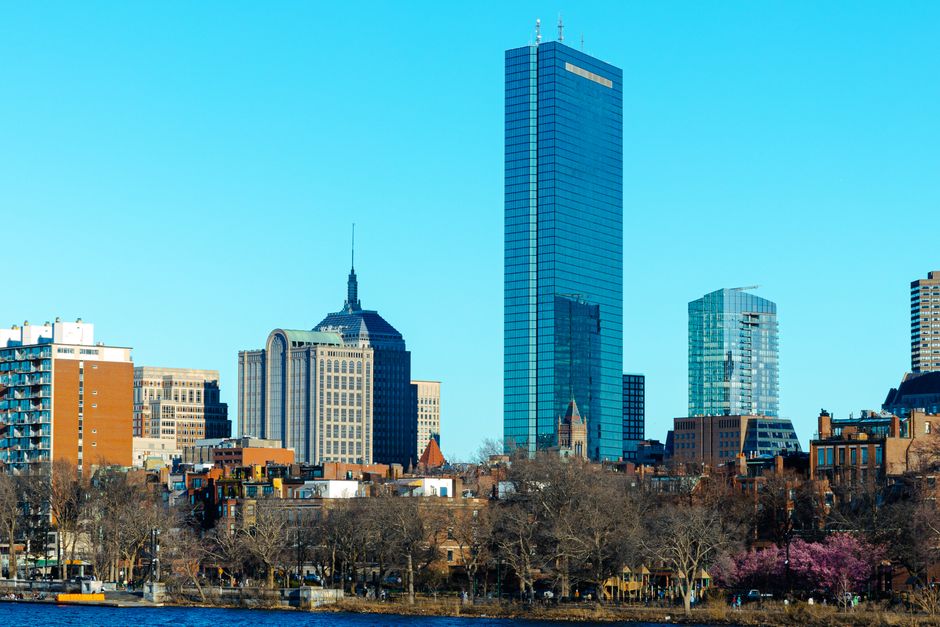
Boston's venture capital ecosystem is experiencing a renaissance that extends far beyond the traditional confines of Kendall Square. Through the first half of 2026, the Greater Boston region has attracted nearly $8.2 billion in startup funding—a 23% increase over the same period last year—positioning the city as the second-largest venture hub in the United States after Silicon Valley.
The transformation is visible across the urban landscape. While Cambridge remains the gravitational centre for life sciences and biotech startups, the Seaport District has emerged as a thriving secondary hub where software, fintech, and climate tech companies cluster in renovated waterfront buildings. Rents in the neighborhood have climbed to $85 per square foot annually—steep by Boston standards—yet venture-backed founders continue to relocate their operations here, drawn by proximity to institutional capital and talent.
The funding surge reflects deeper structural changes in how Boston attracts investment. Established venture firms like Flybridge Capital and Accomplice have expanded their teams, while newer funds focused on climate technology and biotech have opened Boston offices specifically to tap into the region's concentration of talent from MIT, Harvard, and Boston University. At the same time, corporate venture arms from pharmaceutical giants based along the Route 128 corridor have become increasingly aggressive in their early-stage investments.
"The diversity of capital sources is what's driving this moment," notes the broader ecosystem dynamic. Family offices based in Boston's wealthy suburbs have begun allocating meaningful portions of their portfolios to local tech investments, adding fuel to an already competitive funding environment.
Not all metrics paint an optimistic picture. While funding volume has soared, the average time to Series A has extended to 18 months—up from 14 months in 2023—suggesting investors are becoming more cautious about valuation and unit economics. Meanwhile, commercial real estate in tech-focused neighbourhoods faces pressure, with several office buildings in Cambridgeport facing conversion plans as founders increasingly adopt hybrid work models.
Yet the momentum remains undeniable. Co-working spaces like WeWork locations along Boylston Street and in the Innovation District operate at near-capacity, and accelerator programs affiliated with Boston universities report record application numbers. For a city rebuilding its reputation after years of tech sector consolidation and Boston.com's struggles with digital transformation, the current funding environment represents genuine economic renewal—one measured in billions of dollars and thousands of newly funded ventures betting their futures on the city's ability to nurture innovation.
This article was compiled by AI from the sources linked above and screened before publishing. See our editorial standards.