Why Boston's Clean Energy Tech Ecosystem Outpaces Silicon Valley
A unique blend of elite research institutions, deep-pocketed venture capital, and real-world testing grounds has made the city a global hub for sustainable innovation.
A unique blend of elite research institutions, deep-pocketed venture capital, and real-world testing grounds has made the city a global hub for sustainable innovation.
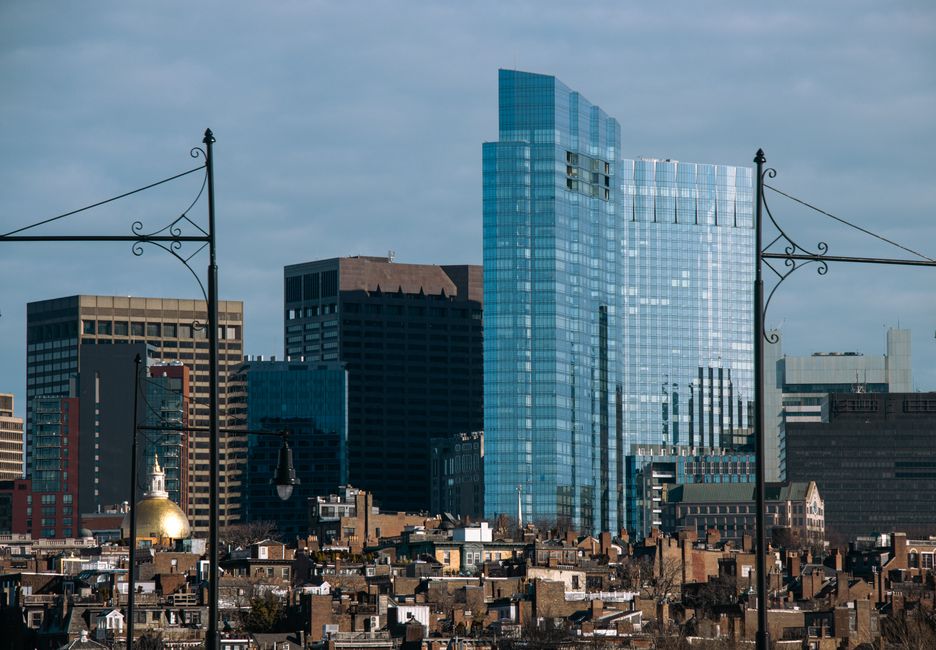
Walk through Kendall Square on any given morning, and you'll spot engineers clutching coffee cups while debating carbon capture efficiency rates. It's become routine in Boston's tech corridor—a far cry from the hype-driven pitch culture that dominates coastal competitors. This distinction defines why the city has emerged as the world's most practical clean energy innovation hub.
Boston's clean tech ecosystem generated roughly $3.2 billion in venture funding between 2021 and 2025, according to recent industry analysis. But the real competitive advantage isn't just capital availability. It's the proximity to MIT, Harvard, and Northeastern University, which collectively produce more climate tech patents than any comparable city cluster globally. These institutions don't just theorize; they partner directly with startups. MIT's Energy Initiative alone has launched over 40 commercial ventures, many still operating within a mile of the campus.
The geography matters more than outsiders realize. Unlike Silicon Valley's sprawl, Boston's innovation density—concentrated between Kendall Square, the Seaport District, and Cambridge's biotech corridor—creates natural collaboration. Companies developing grid storage technology literally share buildings with those building smart heating systems. Cross-pollination happens at venues like the Cambridge Innovation Center or during monthly gatherings at the Boston Green Drinks networking events.
Real-world testing grounds provide another edge. Massachusetts' aggressive clean energy mandates—requiring 80 percent emission reductions by 2050—mean startups can pilot solutions immediately. The state's renewable portfolio standards and recent offshore wind contracts create immediate market opportunities. Companies like those emerging from the MIT Climate Portal aren't theorizing in a vacuum; they're solving problems their neighbors face daily.
Venture capitalists here also think differently. Firms like Breakthrough Energy Ventures and Evok Innovations prioritize scalability and regulatory pathway clarity over moonshot valuations. Average Series A funding for local clean tech sits around $8-12 million—modest compared to San Francisco's $15+ million, but sufficient for companies focused on proven technology rather than speculative breakthroughs.
The talent pipeline reinforces this. Boston attracts PhD-level researchers and experienced engineers who could work anywhere but choose to stay. The cost of living, while rising, remains lower than coastal alternatives. More importantly, the intellectual culture prizes rigorous engineering over narrative.
As global climate regulations tighten, Boston's ecosystem—built on institutional credibility, practical capital allocation, and dense collaboration—increasingly sets industry standards. Other cities offer flashier pitches. Boston offers the infrastructure to actually ship products that work.
This article was compiled by AI from the sources linked above and screened before publishing. See our editorial standards.
How does this story make you feel?
Spread the word
About this article
Published by The Daily Boston
Daily brief
Free, in your inbox before 7am. Weekdays.
More in tech