Boston's Tech Renaissance Accelerates as Venture Capital Floods Innovation Corridor
Record funding rounds and strategic relocations are transforming Seaport and Kendall Square into magnets for the next generation of startups.
Record funding rounds and strategic relocations are transforming Seaport and Kendall Square into magnets for the next generation of startups.
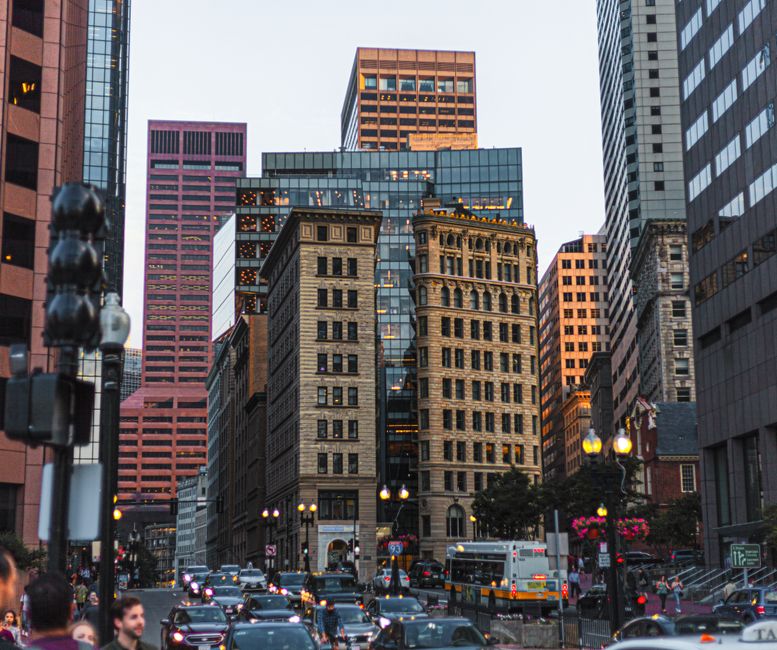
Boston's technology sector is experiencing a surge of venture capital investment that shows no signs of slowing down, with startups and established firms pouring resources into the city's emerging innovation hubs at a pace not seen since the dot-com era.
The trend reflects a broader shift in how major tech companies and investors view the Boston market. Where once Silicon Valley dominated the conversation, Boston's combination of top-tier universities, established biotech infrastructure, and a growing talent pool has made it increasingly attractive to venture firms looking to diversify their portfolios beyond California.
The numbers tell a compelling story. Through the first half of 2026, Boston-area startups have raised over $2.8 billion in venture funding—a 34 percent increase compared to the same period last year, according to preliminary data from regional venture tracking firms. Much of that capital is concentrating in two neighborhoods: the Seaport District, where former industrial waterfront real estate has been transformed into gleaming office parks, and Kendall Square in Cambridge, traditionally the hub of biotech and pharmaceutical innovation.
Real estate prices in these corridors reflect investor confidence. Commercial lease rates in the Seaport have climbed to $75 per square foot annually, up from $62 just three years ago. Yet companies continue signing longer-term commitments, suggesting they view Boston as a permanent headquarters location rather than a temporary outpost.
What distinguishes this moment from previous booms is the diversity of sectors attracting capital. While life sciences and biotech remain dominant, artificial intelligence, climate technology, and advanced manufacturing are drawing significant new funds. Several mid-sized firms have relocated their R&D operations from San Francisco to the Innovation District near Massachusetts Avenue, citing lower operational costs and better access to MIT and Harvard talent.
The influx has prompted city officials to fast-track permitting for new office and laboratory space. Mayor Michelle Wu's office announced in May that three new mixed-use development projects along Atlantic Avenue would prioritize tech company tenants, offering tax incentives to firms committing to five-year leases.
Industry observers caution that sustaining this growth requires careful planning. Housing costs have risen alongside commercial expansion, potentially pricing out the younger workers these companies need to recruit. Still, the convergence of capital, talent, and infrastructure suggests Boston's position as a technology powerhouse is increasingly durable—and increasingly independent from West Coast dominance.
This article was compiled by AI and screened before publishing. See our editorial standards.
How does this story make you feel?
Spread the word
About this article
Published by The Daily Boston
Daily brief
Free, in your inbox before 7am. Weekdays.
More in tech


