Boston's Remote Work Revolution: How Billions in Venture Capital Are Reshaping the Future of Work
From Seaport District startups to Cambridge tech hubs, a flood of investment is transforming how and where Bostonians work.
From Seaport District startups to Cambridge tech hubs, a flood of investment is transforming how and where Bostonians work.
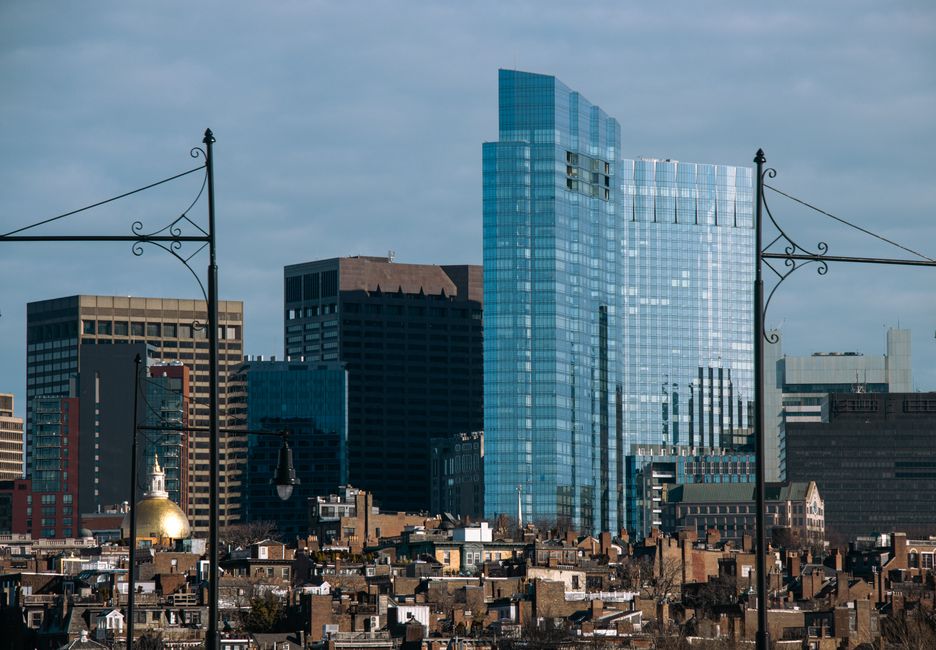
Boston's commercial real estate market is experiencing a historic upheaval. The city that once defined the 9-to-5 office culture is now the epicenter of a venture-backed revolution transforming how people work—and where they do it.
Over the past three years, Boston-area investors have poured more than $840 million into remote work infrastructure, coworking platforms, and distributed workforce management tools, according to data from regional venture firms. This capital influx has created a thriving ecosystem of startups competing to solve the logistical nightmare of hybrid and remote work at scale.
The Seaport District, once synonymous with glass towers and traditional office leasing, has become ground zero for this transformation. Companies like WeWork, which operates multiple locations across Fort Point and the Waterfront, have been joined by a wave of smaller, more specialized competitors. These newer players—many backed by Boston-based venture capital firms like Accomplice and Polaris Partners—are betting that the future of work isn't about expensive corporate real estate, but flexible, technology-enabled spaces tailored to how teams actually function in 2026.
"We're seeing a fundamental repricing of commercial space," said one Cambridge-based venture investor, speaking on condition of anonymity due to ongoing fund commitments. The average cost per desk in Boston's premium coworking spaces has stabilized around $450 to $550 monthly, down from peak pandemic rates, yet still commanding significant investment attention.
The economics tell a compelling story. A single well-managed coworking operation in Boston's Back Bay or Cambridge can generate recurring revenue of $2.5 million annually from a 15,000-square-foot facility. That predictability has attracted institutional capital seeking alternatives to volatile tech stocks. Several Boston-based firms have launched dedicated funds focused exclusively on workspace innovation.
Beyond physical space, the real money is flowing into software. Calendar optimization tools, team synchronization platforms, and hybrid work analytics companies—many headquartered in Kendall Square—have attracted hundreds of millions in Series B and C funding. These startups promise to solve what executives call "the coordination crisis" of distributed teams.
Yet challenges remain. Boston's aging commercial real estate still carries the legacy of pre-pandemic assumptions. Downtown office occupancy hovers around 58 percent, forcing landlords to reimagine properties. Meanwhile, some investors worry the market is overheating, with too many players chasing the same capital.
What's clear is that Boston's work landscape won't return to its pre-2020 form. The billions flowing into this sector suggest the city's future—whether remote-first, hybrid, or something yet unimagined—will be determined not by real estate developers, but by entrepreneurs and the venture capitalists betting on their vision of tomorrow's workplace.
This article was compiled by AI from the sources linked above and screened before publishing. See our editorial standards.
How does this story make you feel?
Spread the word
About this article
Published by The Daily Boston
Daily brief
Free, in your inbox before 7am. Weekdays.
More in tech