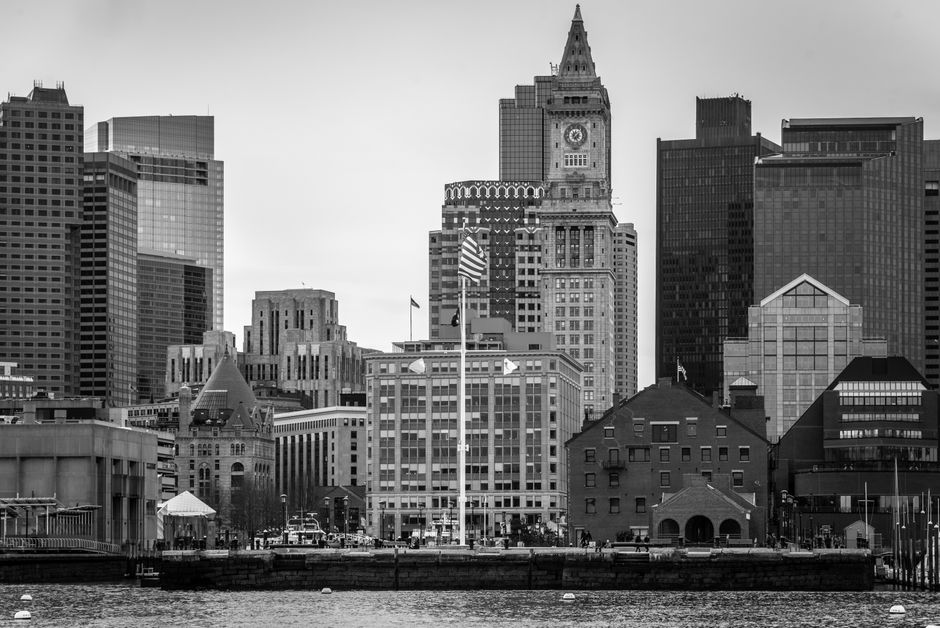
Boston's Seaport District gleams with glass and steel—a symbol of the city's transformation into a global innovation powerhouse. Yet beneath the venture capital success stories and startup celebrations, a more complicated narrative is emerging about what rapid tech growth actually costs.
The numbers are undeniably impressive. Greater Boston's tech sector now employs over 145,000 people and attracts roughly $8 billion in venture funding annually, according to recent economic data. Companies like Amazon, Google, and Moderna have substantial operations here, while smaller startups cluster around Kendall Square in Cambridge and the revitalized Seaport waterfront. The promise seems clear: jobs, tax revenue, global influence.
But ask residents in neighborhoods like Dorchester and Roxbury, where median rents have jumped 28 percent in five years, whether they're sharing in that prosperity. Ask displaced small business owners on Harrison Avenue, where tech office conversions have accelerated. Ask workers retrained through coding bootcamps—costing $12,000 to $20,000—whether the promised six-figure salaries materialized. The reality is messier.
"We're seeing a two-tier economy emerge," says a local housing advocacy group that studies Seaport development. Tech workers with equity packages can afford newly renovated lofts; service workers who support them cannot. Meanwhile, artificial intelligence systems trained on biased datasets are already making consequential decisions in hiring, lending, and criminal justice—often with inadequate Boston-based oversight.
Privacy concerns loom larger too. As biotech companies and health-focused startups leverage increasingly granular personal data from residents, questions about consent, security, and who profits from intimate health information remain largely unanswered at the municipal level.
The city's leaders aren't ignoring these tensions. The Boston Planning & Development Agency has begun requiring equity analysis for major tech projects. Universities like MIT and Northeastern are emphasizing responsible innovation curricula. Yet implementation lags ambition, and the speed of technological change often outpaces policy response.
Boston's innovation ecosystem has genuine potential to create broadly shared prosperity. But that outcome isn't guaranteed by venture capital alone. It requires deliberate choices: investing in workforce development for underrepresented communities, enforcing transparent algorithmic auditing, protecting long-term residents from displacement, and building ethical guardrails into emerging technologies before they're deployed at scale.
The question isn't whether Boston should embrace innovation—that ship has sailed. The question is whether innovation will embrace Boston's entire population, or whether the city's tech boom becomes another engine of inequality. That story is still being written.
This article was compiled by AI from the sources linked above and screened before publishing. See our editorial standards.