Boston's Tech Leaders Chart Next Wave of Products: What's Coming in 2027
From Kendall Square to the Seaport, innovation hubs reveal ambitious roadmaps focused on AI integration, biotech breakthroughs, and climate-focused solutions.
From Kendall Square to the Seaport, innovation hubs reveal ambitious roadmaps focused on AI integration, biotech breakthroughs, and climate-focused solutions.
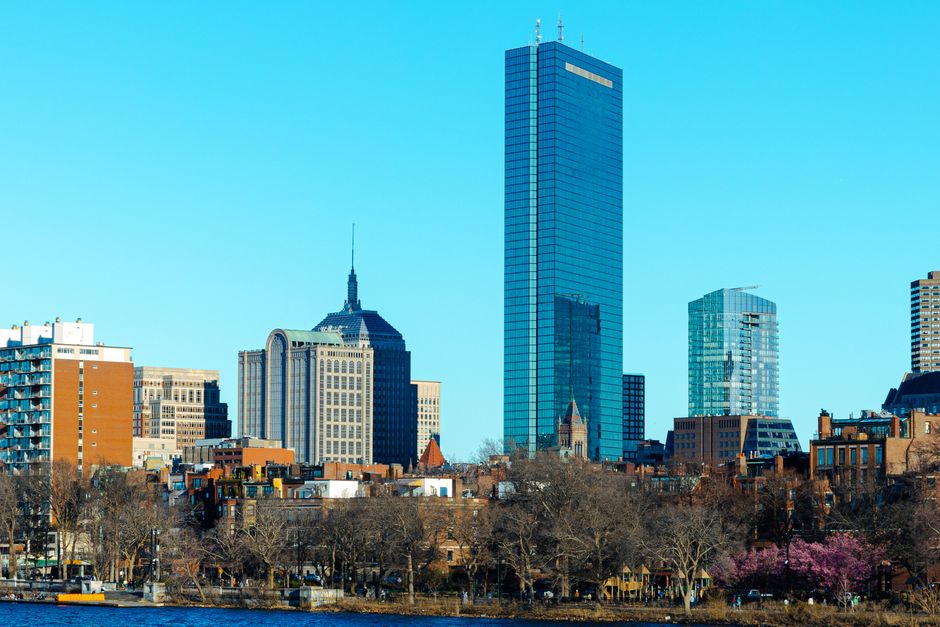
Boston's technology sector is entering a critical inflection point. As we move through mid-2026, the city's most influential innovation hubs-spanning from MIT's legendary Kendall Square through Cambridge's biotech corridor and into the gleaming towers of the Seaport Innovation District-are unveiling product roadmaps that suggest a dramatic shift in where venture capital and engineering talent are headed next.
The emerging consensus among Boston's tech leadership centers on three interconnected domains: enterprise AI systems tailored for regulated industries, next-generation therapeutics leveraging machine learning, and climate adaptation technologies. Unlike the consumer-focused products that dominated the last five years, these developments reflect a maturation of the regional ecosystem toward problems with deeper moats and higher commercial stakes.
Several mid-stage companies operating within Cambridge's biotech corridor-home to roughly 15% of the nation's life sciences startups-are preparing Phase II clinical trials for AI-augmented drug discovery platforms. These systems compress development timelines from years to months, a capability that could reshape pharmaceutical economics entirely. Industry observers estimate the Boston-area biotech sector alone could see $8.2 billion in venture funding this year, up from $6.1 billion in 2024.
Meanwhile, companies clustered around the Innovation and Design Building on the Seaport's Hanover Street are finalizing 2027 releases of AI infrastructure software designed specifically for financial services, healthcare systems, and utilities-sectors where regulatory compliance and data governance remain non-negotiable. These aren't consumer applications; they're purpose-built enterprise platforms addressing the gap between generalized AI models and the specialized requirements of risk-averse industries.
The climate technology angle has gained particular momentum. Boston Harbor's rising tide-literal and figurative-has focused regional entrepreneurs on adaptive infrastructure, industrial carbon capture, and resilience modeling. Several startups incubated through the MIT D-Lab and Greentown Labs in Somerville are moving from prototype to commercial deployment phases, with weatherproofing and emissions-reduction technologies targeting municipal and corporate clients across the Northeast.
What's striking about these roadmaps is their ambition tempered by pragmatism. Rather than chasing viral growth metrics, Boston's tech leaders are building for durability, regulatory approval, and the kind of operational complexity that deters competition. Whether these bets will generate returns comparable to previous boom cycles remains uncertain, but the strategic pivot is unmistakable. By late 2027, the products emerging from Boston's innovation ecosystem will likely look less like the consumer-facing experiments of the early 2020s and far more like the infrastructure that actually powers tomorrow's economy.
This article was compiled by AI and screened before publishing. See our editorial standards.
How does this story make you feel?
Spread the word
About this article
Published by The Daily Boston
Daily brief
Free, in your inbox before 7am. Weekdays.
More in tech


