Boston's Clean Energy Startups Are Scaling Fast—Here's What's Happening Right Now
From Seaport to Kendall Square, a fresh wave of climate tech companies is attracting record venture funding and reshaping how the region tackles decarbonization.
From Seaport to Kendall Square, a fresh wave of climate tech companies is attracting record venture funding and reshaping how the region tackles decarbonization.
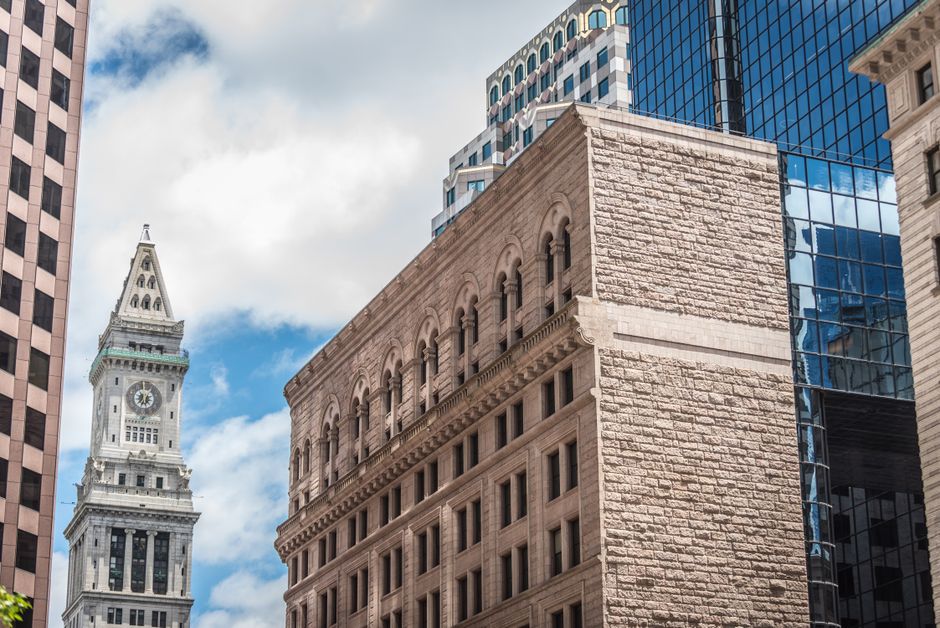
Boston's clean energy ecosystem is experiencing a pivotal moment. While national venture funding for climate tech dipped 18 percent year-over-year in 2025, the Boston area bucked the trend, capturing $1.2 billion in green tech investments through Q2 2026—outpacing both San Francisco and New York on a per-capita basis, according to data from Clean Energy Trust, a regional nonprofit based in Cambridge.
The concentration of activity tells the story. Along the Innovation District's spine—from the Seaport down through Kendall Square—dozens of startups are tackling everything from grid modernization to industrial decarbonization. One emerging cluster focuses on next-generation thermal energy storage, with at least four venture-backed companies now headquartered within a mile of MIT. Another cohort is building software platforms for corporate carbon accounting, a response to tightening EU and Massachusetts regulations that require emissions transparency.
"What's different now is the talent pipeline," said one Massachusetts Institute of Technology energy systems researcher, observing that nearly 40 percent of clean energy PhD graduates from the institute now launch companies rather than joining established firms. The Boston region's existing strengths—world-class universities, deep industrial expertise, and established biotech infrastructure that translates well to cleantech manufacturing—are creating a flywheel effect.
Real estate reflects this growth. Seaport Square, once a symbol of speculative development, is becoming a de facto clean energy campus. WeWork announced in March it would dedicate two floors of its Summer Street location exclusively to climate tech tenants at below-market rates, a move designed to incubate early-stage companies. Commercial rent in the Innovation District averages $65 per square foot annually, making it expensive but still cheaper than equivalent Cambridge or San Francisco space.
Government policy is accelerating momentum. Massachusetts' updated clean energy standard, which mandates 100 percent zero-carbon electricity by 2035, has created demand for solutions that Boston companies are uniquely positioned to supply. The state's $500 million Green Bank, based in Boston, has committed to deploying capital into startups focused on distributed energy and resilience.
The challenge ahead is clear: can Boston's startups scale fast enough to compete with established energy companies backed by petrostates' venture arms? Several companies are opening West Coast offices this year, suggesting they're thinking beyond regional dominance. Yet the concentration of expertise, capital, and policy support here remains unmatched. For now, Boston isn't just talking about green energy—it's building it.
This article was compiled by AI from the sources linked above and screened before publishing. See our editorial standards.
How does this story make you feel?
Spread the word
About this article
Published by The Daily Boston
Daily brief
Free, in your inbox before 7am. Weekdays.
More in tech