Boston's Clean Energy Pipeline: What Green Tech Breakthroughs Are Actually Coming Next
From carbon-capture labs in Cambridge to next-gen battery plants targeting Seaport, here's what's really on the horizon for the region's sustainability sector.
From carbon-capture labs in Cambridge to next-gen battery plants targeting Seaport, here's what's really on the horizon for the region's sustainability sector.
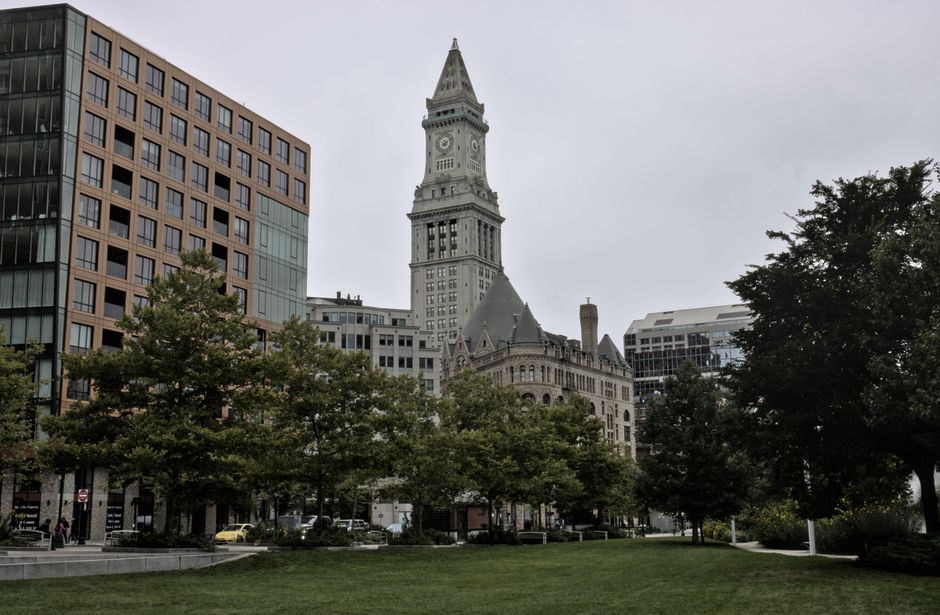
Boston's clean energy ecosystem is entering a critical inflection point. After a decade of venture capital pouring into the region—with over $2.3 billion invested in climate tech startups between 2020 and 2025—the conversation is shifting from funding announcements to actual product deployments. What comes next matters far more than what came before.
The most immediate catalyst is distributed energy storage. Multiple startups operating out of innovation hubs along Atlantic Avenue and in Cambridge's Kendall Square are racing to commercialize grid-scale batteries that don't rely on lithium-ion technology. These systems promise 8-12 hour discharge durations at costs under $100 per kilowatt-hour by 2027—a threshold that would make renewable energy genuinely economical without subsidies. Massachusetts utilities including Eversource are already piloting these systems across the state.
Equally significant is the acceleration of heat pump retrofitting. New England winters have historically made electrified heating seem impractical, but third-generation heat pumps now operate efficiently down to minus-15 degrees. Several Boston-based firms are launching financing models and installation networks specifically targeting the region's 1.2 million single-family homes. The economics are finally working: a full retrofit costs $15,000-$20,000, but combined incentives from state rebates and federal tax credits are reducing homeowner out-of-pocket expenses to $4,000-$8,000.
Carbon removal is where Boston's research institutions are making outsized bets. MIT's laboratories in Building 66 and Harvard's Center for Climate, Life, and the Environment are moving several direct air capture technologies from theory toward pilot manufacturing. One pathway involves using captured carbon as feedstock for building materials—concrete alternatives that could reduce embodied carbon in construction by 30-40%. Boston's construction boom means dozens of major projects on the horizon could become testbeds.
Less visible but potentially transformative: smart grid software. Companies headquartered in the Financial District and Seaport District are embedding artificial intelligence into municipal power systems. The goal is demand-side management sophisticated enough to eliminate peak-hour strain without requiring expensive grid upgrades—critical as the Northeast electrifies transportation and heating simultaneously.
The timeline is compressed. Massachusetts' mandate to achieve 100% clean electricity by 2035 is no longer theoretical policy; it's driving procurement decisions happening right now. For Boston's tech sector, that urgency translates into concrete opportunity. The companies shipping products over the next 18-24 months—not those still raising Series B funding—will define which innovations actually scale.
This article was compiled by AI from the sources linked above and screened before publishing. See our editorial standards.
How does this story make you feel?
Spread the word
About this article
Published by The Daily Boston
Daily brief
Free, in your inbox before 7am. Weekdays.
More in tech