From the T to Traffic Lights: How Boston's Smart City Tech Is Reshaping Daily Life for Residents
Real-time transit alerts, adaptive traffic systems, and AI-powered 311 services are quietly transforming how Bostonians navigate their neighborhoods.
Real-time transit alerts, adaptive traffic systems, and AI-powered 311 services are quietly transforming how Bostonians navigate their neighborhoods.
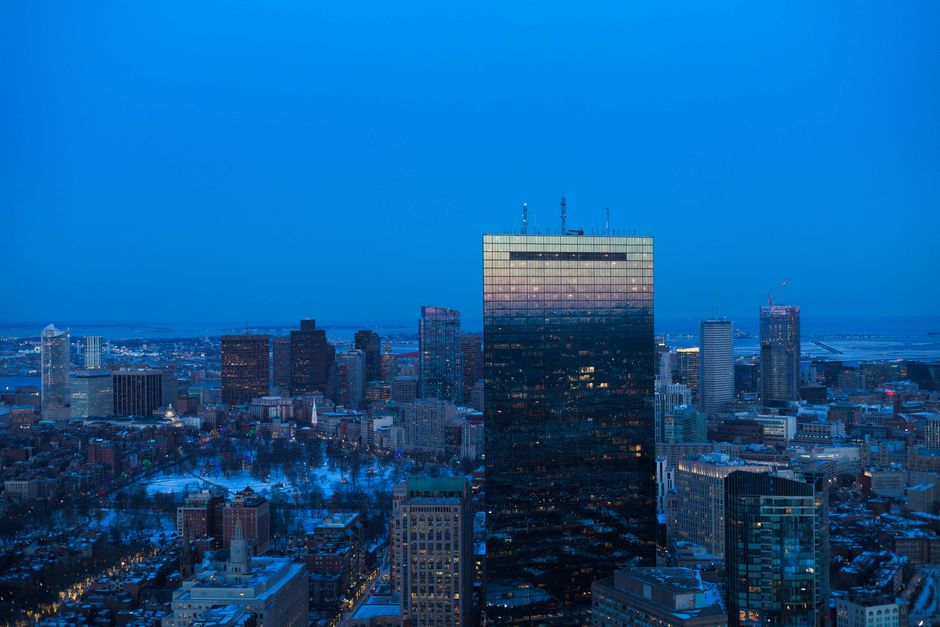
Walk down Newbury Street on a Tuesday morning and you'll notice something has shifted. The traffic light at the intersection with Dartmouth Street now adjusts its timing based on pedestrian flow and vehicle density—a far cry from the fixed schedules of five years ago. For residents like those living in the Back Bay and South End, these algorithmic improvements have shaved an average of three minutes off their commutes, according to data from the Boston Transportation Department's Adaptive Traffic Management System.
This is the new reality of Boston's smart city transformation. What began as a pilot program in 2023 has evolved into a comprehensive digital infrastructure overhaul that touches nearly every aspect of daily urban life. The city has invested over $240 million in IoT sensors, data analytics platforms, and AI-driven systems that monitor everything from parking availability to air quality.
The changes are most visible on the MBTA. Real-time crowding data now flows to the transit authority's app with remarkable accuracy. Commuters boarding the Red Line at Downtown Crossing can see exactly how packed each car is before arrival, allowing them to plan their commute or choose alternative routes. The system has reduced average wait times by 12 percent since its full rollout last year, according to MBTA officials.
Beyond mobility, Boston's 311 service has been completely reimagined. Residents reporting a pothole on Hanover Street or a malfunctioning streetlight in Jamaica Plain now interact with an AI-powered system that triages complaints, predicts resource needs, and automatically dispatches crews. Response times for non-emergency complaints have dropped from an average of 8 days to 3.5 days.
Not everyone is celebrating. Privacy advocates have raised concerns about the density of sensors tracking pedestrian movement through downtown corridors. A coalition of residents' groups has questioned data governance policies and demanded greater transparency about how motion sensors operate near schools and libraries.
City officials say safeguards are in place. Aggregated data is anonymized, and the city has published detailed algorithmic audit reports available on boston.gov. Still, the conversation reflects broader tensions as cities nationwide grapple with the trade-offs inherent in digitization.
For most Bostonians, though, the practical benefits are undeniable. Shorter commutes, faster municipal response times, and less time searching for parking represent tangible improvements to urban life. As Boston continues rolling out additional layers—smart waste management in Back Bay starting next month, predictive maintenance for the Greenway—the city is quietly becoming a test bed for how technology can reshape the everyday experience of living in a major American city.
This article was compiled by AI from the sources linked above and screened before publishing. See our editorial standards.
How does this story make you feel?
Spread the word
About this article
Published by The Daily Boston
Daily brief
Free, in your inbox before 7am. Weekdays.
More in tech