Why Boston's Smart City Blueprint Stands Apart in the Global Tech Race
The city's fusion of institutional heavyweight research, municipal pragmatism, and startup velocity creates a uniquely American model for digital transformation.
The city's fusion of institutional heavyweight research, municipal pragmatism, and startup velocity creates a uniquely American model for digital transformation.
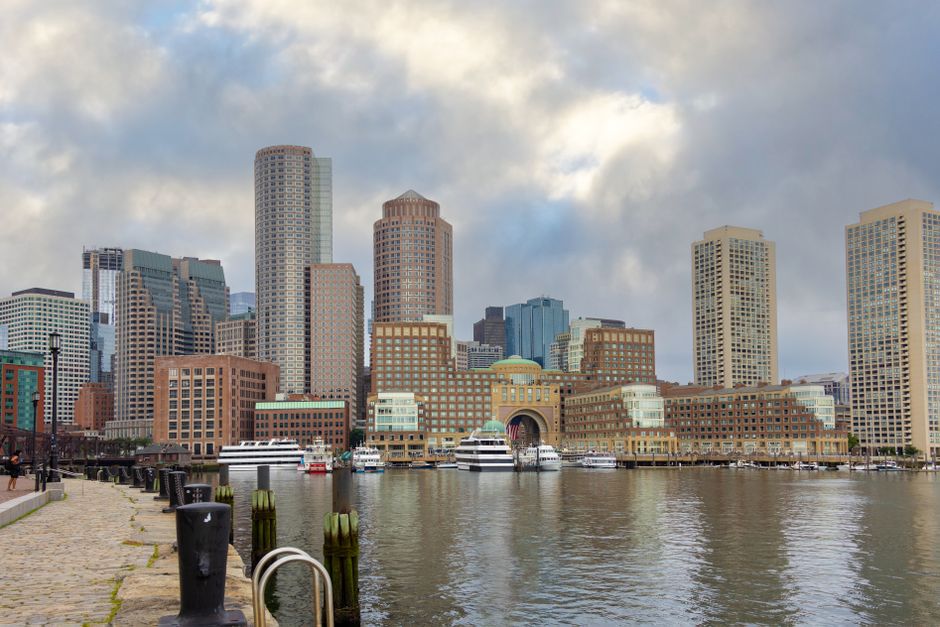
When Boston's Department of Innovation and Technology launched its Smart Citiesinitiative in 2023, it didn't chase the flashy sensor networks that cities like Singapore and Copenhagen had become famous for. Instead, it doubled down on something more distinctly Boston: institutional collaboration at scale.
The difference is subtle but significant. While other cities invested in infrastructure-first approaches—thousands of IoT devices collecting data across neighborhoods—Boston's tech ecosystem pivoted toward what local leaders call "institutional interoperability." MIT, Harvard, Northeastern, and Boston University collectively employ over 28,000 people and operate research budgets exceeding $2 billion annually. That gravitational pull toward academia creates something rare globally: a city where venture capital, municipal government, and research institutions aren't just nearby—they're structurally entangled.
"Boston's advantage isn't that we're building smarter streets faster," explains the thinking among the city's tech leadership. "It's that our streets are being reimagined by people who understand both the technology and the systemic constraints." The Seaport District's transformation—once a dead zone of parking lots and warehouses—became the proving ground. Today, that neighborhood hosts everything from GE's digital innovation hub to dozens of biotech startups, all operating within sight of the waterfront's expanding public realm.
This model shows up in concrete ways. Boston's street-level sensor network, rolled out across downtown and the Seaport starting in 2024, wasn't designed by a single vendor. Instead, it emerged from a collaborative procurement process that required participating companies to work with university researchers and municipal engineers. The result: a system optimized for Boston's specific challenges—aging infrastructure, brutal winters, density constraints—rather than a off-the-shelf solution designed for Austin or Dubai.
The economic numbers reflect this approach. Smart city tech jobs in the greater Boston area grew 23% between 2021 and 2025, compared to a national average of 16%. Average salaries for civic tech roles hit $127,000, nearly 40% above the national median.
What makes Boston's ecosystem distinctive globally isn't vision—plenty of cities have that. It's the particular alchemy of having world-class universities, venture capital willing to bet on infrastructure plays, and a municipal government patient enough to iterate rather than rush. That combination, replicated across dozens of smaller initiatives from traffic management to water systems, has quietly positioned Boston as the model for how legacy American cities actually transform themselves technologically.
This article was compiled by AI from the sources linked above and screened before publishing. See our editorial standards.
How does this story make you feel?
Spread the word
About this article
Published by The Daily Boston
Daily brief
Free, in your inbox before 7am. Weekdays.
More in tech