Why Boston's Tech Ecosystem Punches Above Its Weight on the Global Stage
From biotech breakthroughs to AI startups, Boston's unique blend of institutional firepower and scrappy entrepreneurship sets it apart from Silicon Valley.
From biotech breakthroughs to AI startups, Boston's unique blend of institutional firepower and scrappy entrepreneurship sets it apart from Silicon Valley.
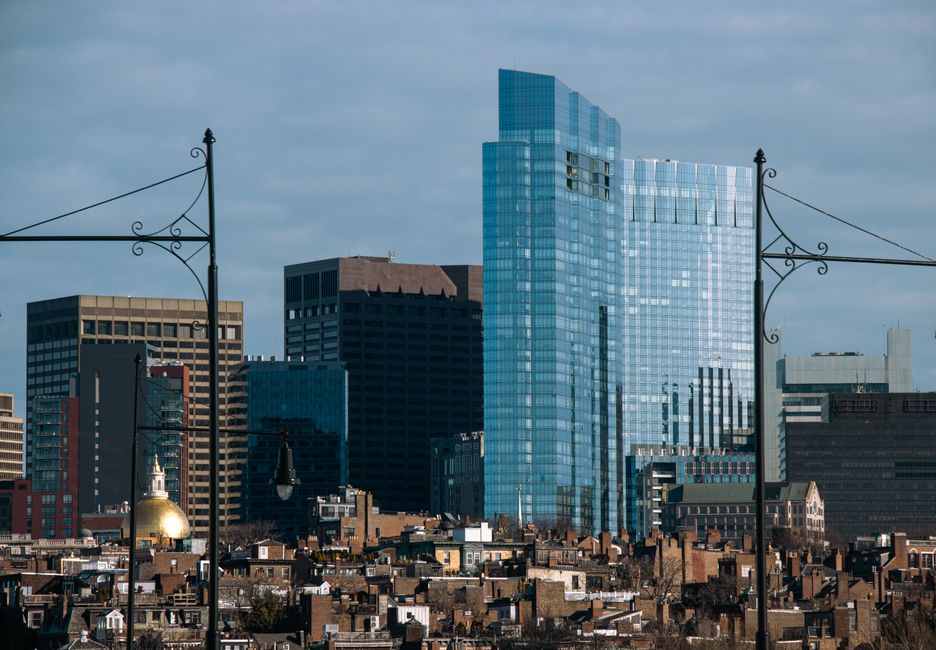
Walk down Massachusetts Avenue in Cambridge on any given afternoon, and you'll witness something Silicon Valley struggles to replicate: a seamless collision between world-class research institutions and hungry startups. This convergence—MIT and Harvard within blocks of each other, surrounded by venture firms and incubators—has quietly positioned Boston as one of the world's most distinctive tech ecosystems.
Unlike the consumer-hardware dominance of the West Coast, Boston's tech sector is anchored by something deeper: institutional credibility. The city hosts more than 2,000 life sciences companies, many clustered around Kendall Square and the Seaport District, where a booming biotech sector has created roughly 45,000 jobs in the metro area. That specialization matters. When a Massachusetts General Hospital researcher needs to commercialize a breakthrough, the infrastructure—lab space, regulatory expertise, patient networks—is already humming.
But Boston isn't just playing defense in its traditional strength. The city's AI scene has exploded over the past three years, with startups like Scale AI and smaller, venture-backed firms occupying renovated warehouses in Somerville and Watertown. Rents in these neighborhoods have climbed accordingly—a 1,500-square-foot office in Kendall Square now runs $60-80 per square foot annually—but the talent pipeline from MIT's computer science program remains unmatched.
What truly sets Boston apart, however, is its resistance to hype cycles. The tech community here tends toward problems with real-world stakes: drug discovery, disease detection, urban infrastructure. You won't find the same concentration of consumer apps or cryptocurrency ventures that once defined other hubs. Instead, you'll find engineers wrestling with FDA approval timelines, computational biology, and hardware that actually needs to work in hospitals.
This focus carries consequences. Boston's startup exit values have historically trailed San Francisco's, and venture capital concentration remains lower. Yet the stability cuts both ways. The city has weathered downturns better than boom-and-bust towns, and employer diversity—from Moderna to GE to dozens of under-the-radar biotech firms—provides genuine resilience.
As global tech consolidates around artificial intelligence and climate solutions, Boston's institutional depth in life sciences and engineering-focused problem-solving positions it distinctly. It's not flashier than the Valley. But for investors and founders betting on technologies that will actually reshape how humans live, work, and survive, Boston's combination of brainpower, regulatory expertise, and unglamorous persistence increasingly looks like the smart bet.
This article was compiled by AI and screened before publishing. See our editorial standards.
How does this story make you feel?
Spread the word
About this article
Published by The Daily Boston
Daily brief
Free, in your inbox before 7am. Weekdays.
More in tech


