Boston's Startup Funding Scene Shifts as VCs Retreat to Proven Bets
Local venture capital is tightening, with Series A rounds becoming harder to close while life sciences and AI companies continue to attract serious money.
Local venture capital is tightening, with Series A rounds becoming harder to close while life sciences and AI companies continue to attract serious money.
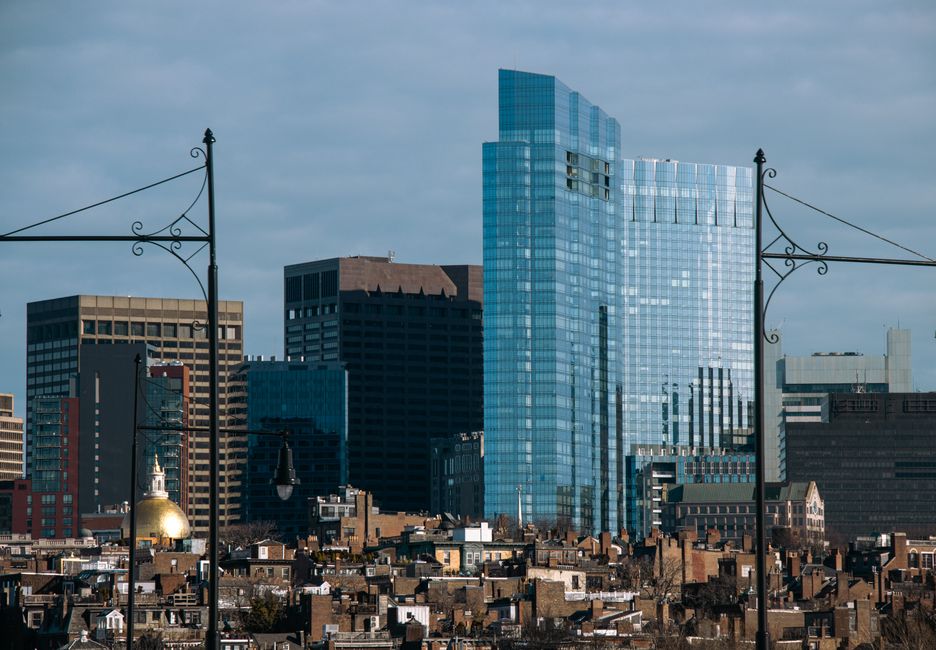
Boston's startup ecosystem is experiencing a bifurcated moment. While the region remains one of America's top three venture hubs, the funding landscape has fundamentally changed from the exuberant days of 2021-2022, with venture capitalists increasingly concentrating their bets on companies with clear paths to profitability or regulatory approval.
The numbers tell the story. Through the first half of 2026, venture capital deployed across Massachusetts startups totaled approximately $3.2 billion—down roughly 35 percent from the same period last year, according to preliminary data from the Massachusetts Venture Capital Association. Series A rounds, historically the lifeblood of young companies in Cambridge and Boston's Seaport District, have become significantly harder to secure. Average Series A checks have shrunk to $8-12 million, compared to $15-18 million just 18 months ago.
Yet life sciences and biotech companies, particularly those clustered around the Longwood Medical Area and along Route 128, have proven remarkably resilient. Several Cambridge-based immunotherapy startups have closed meaningful funding rounds, buoyed by successful clinical trial data and FDA pathway clarity. Meanwhile, AI-focused companies working on enterprise applications—not consumer chatbots—continue to attract attention from established firms like Bessemer Venture Partners and local shops operating out of the Prudential Center.
"We're seeing a return to fundamentals," explains the ecosystem, with investors now demanding detailed unit economics and clear customer acquisition strategies before writing checks. Many early-stage founders who thrived during the capital abundance era now face a harsh reality: bootstrapping or finding strategic corporate partners.
Co-working spaces and startup hubs across the region report declining occupancy. WeWork's continued pullback from various Boston locations mirrors national trends, though newer, leaner models—including shared lab space for biotech startups near Kendall Square—are proving more sustainable. Rent for premium startup office space in Seaport has leveled off around $60-75 per square foot annually after peaking at $85.
The shift has prompted increased interest in venture debt and alternative funding mechanisms. Several Boston-based venture debt firms have expanded operations, recognizing an opportunity to bridge gaps left by reduced equity rounds. Government programs, including Massachusetts's Life Sciences Tax Incentive program, have seen increased applications from founders seeking non-dilutive capital.
For startups navigating this environment, success increasingly depends on either exceptional product-market fit, a renowned founding team with previous exits, or deep connections to Boston's established corporate innovation hubs. The age of funding a compelling vision alone has distinctly ended.
This article was compiled by AI and screened before publishing. See our editorial standards.
How does this story make you feel?
Spread the word
About this article
Published by The Daily Boston
Daily brief
Free, in your inbox before 7am. Weekdays.
More in tech


