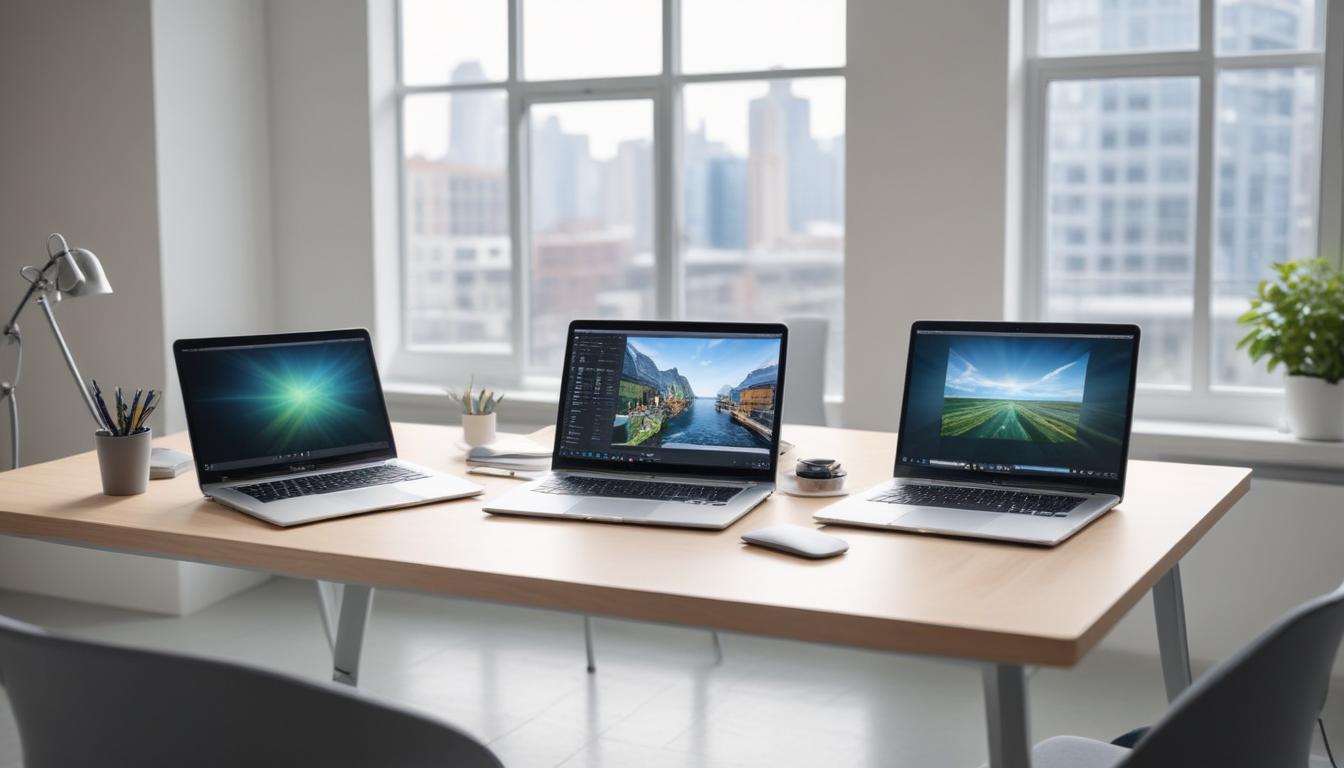
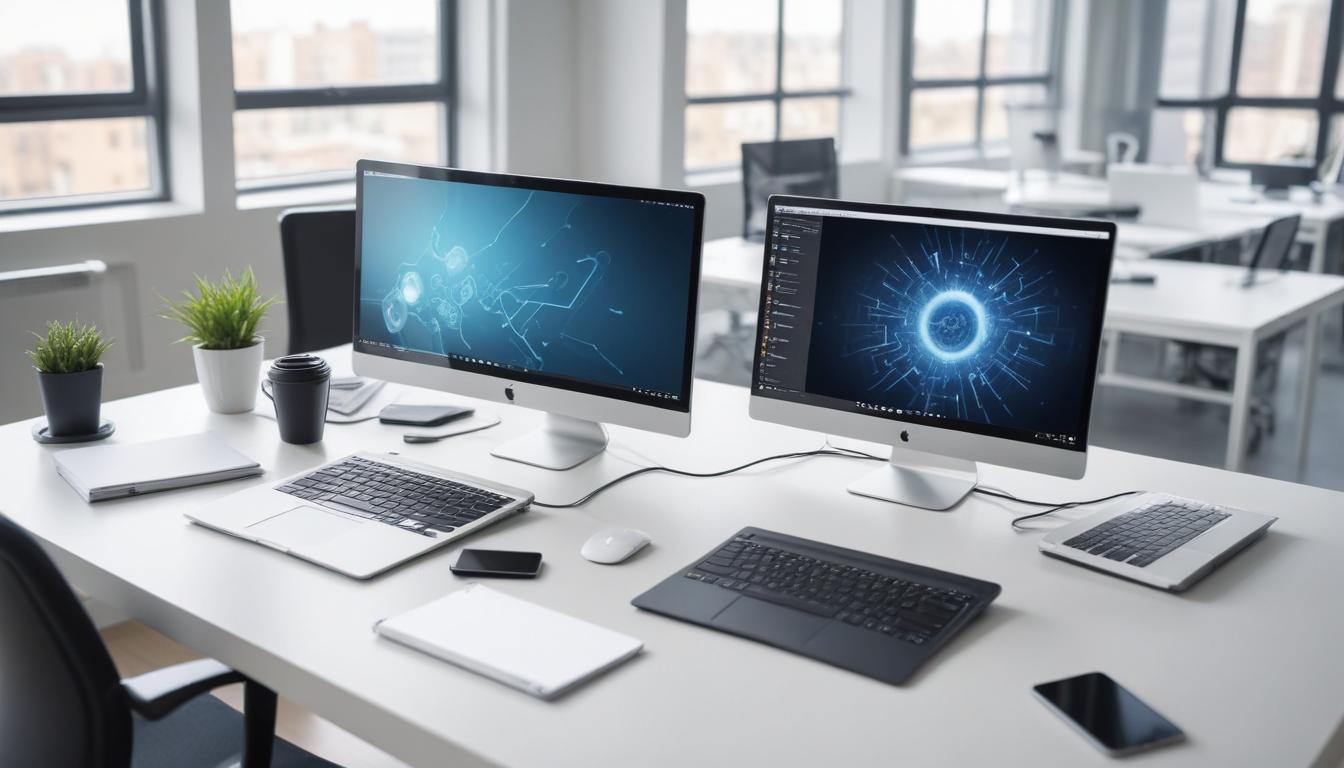
The coworking landscape in Boston is entering a new phase. After years of rapid expansion across Seaport, Back Bay, and Cambridge's Kendall Square, operators are pivoting from simple desk rental toward sophisticated workplace intelligence platforms that promise to fundamentally reshape how and where knowledge workers spend their time.
The shift reflects broader industry patterns. According to commercial real estate analysts tracking the Boston metro market, flexible workspace adoption has settled at roughly 8-10% of total office inventory—up from 2% a decade ago. But growth has plateaued. The next battleground, industry insiders say, is product innovation rather than raw square footage.
Several major players are readying launches for late 2026 and early 2027. Leading developments include AI-driven space-allocation systems that predict booking demand using historical data and weather patterns; biometric check-in that integrates with corporate wellness programs; and modular "focus pods" equipped with noise-cancellation, air filtration, and automated lighting calibrated to circadian rhythms. One Cambridge-based operator is piloting a system where meeting rooms automatically adjust climate and acoustics based on the declared purpose and duration of each booking.
The economic logic is compelling. Coworking operators typically operate on razor-thin margins—averaging 15-20% EBITDA in mature markets. Occupancy rates across Boston's premium flex-space hubs currently hover around 75%, below pre-pandemic peaks. Intelligence-driven features promise better utilization: one Massachusetts-based firm claims its predictive systems have increased desk turnover by 12% in pilot locations.
For members, the trade-off is opacity. Detailed biometric and behavioral tracking—even anonymized—raises privacy concerns that Boston's tech-savvy workforce won't ignore. Several local worker advocacy groups are already urging transparency standards.
Real estate executives also emphasize the hybrid permanence question. Despite corporate "return-to-office" mandates, actual utilization in Boston's CBD remains volatile. Office landlords increasingly partner with flexible-space operators as a hedge, offering dedicated floors to coworking companies rather than signing traditional five-year leases. This structural shift may prove more significant than any single product feature.
What's clear: the next wave of workplace innovation won't arrive from real estate developers. It will come from entrepreneurs who recognize that office space itself is becoming commoditized—and that the real margin lies in the software, data, and service layer built atop it. Boston's ecosystem is well-positioned to lead that shift, provided regulators and workers themselves can shape guardrails around privacy and surveillance.
This article was compiled by AI from the sources linked above and screened before publishing. See our editorial standards.