Boston's Startup Boom Masks Troubling Questions About Risk, Ethics, and Who Gets Left Behind
As venture capital floods into the Innovation District, founders and investors grapple with the human cost of chasing unicorns.
As venture capital floods into the Innovation District, founders and investors grapple with the human cost of chasing unicorns.
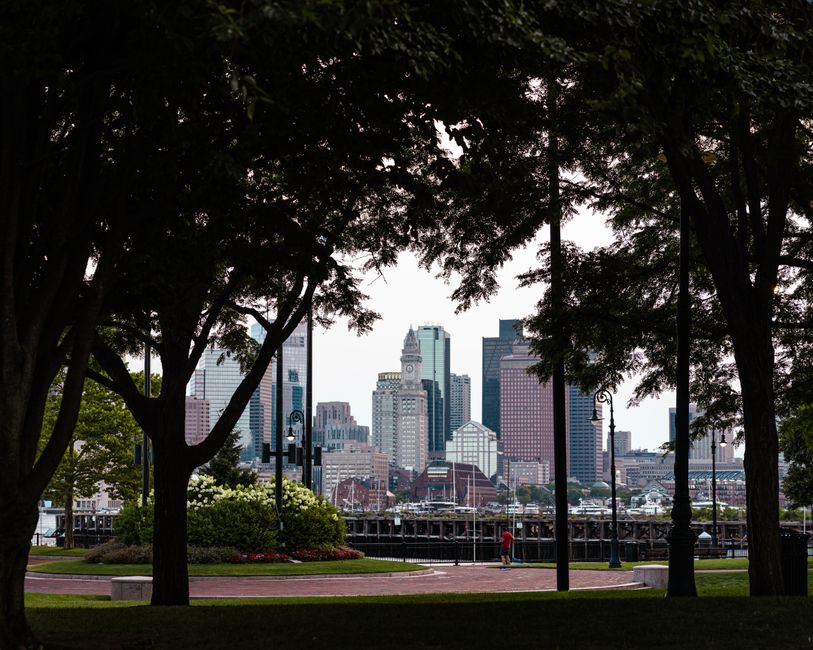
Walk down Atlantic Avenue on any given Tuesday morning, and you'll find the lobbies of gleaming office towers packed with earnest entrepreneurs pitching their next big idea to investors with checkbooks. Boston's startup ecosystem has become a money-printing machine—venture capital deployments in the region hit $11.2 billion in 2025, cementing the city's status as a top-three fundraising hub alongside Silicon Valley and New York.
But beneath the success stories emerging from Cambridge's MIT corridor and the Innovation District's expanding footprint, a more complicated picture is emerging. The venture capital model that has powered Boston's tech boom is increasingly under scrutiny from founders, ethicists, and community leaders asking hard questions about whose interests are really being served.
The pressure to scale fast and achieve profitability has created what some call a "survivor bias" problem. Of the thousands of startups launched annually across the Boston area—from Kendall Square biotech firms to Seaport software companies—fewer than 2 percent will ever see meaningful venture funding. Those who do often face intense pressure to grow at all costs, sometimes at the expense of employee welfare, environmental responsibility, or honest accounting of their business models' social impact.
"There's an ethical reckoning happening," says a Boston-based founder of an AI safety startup. The human toll is real: burnout among startup employees has become endemic, with many working 60-plus-hour weeks on equity packages that may never materialize. Meanwhile, the concentration of venture capital in this region has contributed to Boston's housing crisis, with median rent for a one-bedroom apartment now exceeding $2,200 monthly.
The geographic inequality is stark. While neighborhoods like Back Bay and the Seaport attract billions in investment, surrounding communities—Roxbury, Dorchester, Mattapan—remain largely excluded from the ecosystem's prosperity. Only 2.2 percent of venture funding nationally reaches Black and Latinx founders, a disparity that mirrors Boston's own demographics but not its investment patterns.
Perhaps most concerning is the echo-chamber effect. Boston's VC world tends to fund ideas that appeal to similar demographics: young, highly educated, often from privileged backgrounds. This homogeneity limits innovation and raises questions about whether the market is actually finding the best ideas or simply the most familiar ones.
The promise remains real—Boston's startups have created tens of thousands of jobs and driven genuine technological breakthroughs. But as the region attracts ever more capital, the conversation about who pays the price for that success is becoming impossible to ignore.
This article was compiled by AI from the sources linked above and screened before publishing. See our editorial standards.
How does this story make you feel?
Spread the word
About this article
Published by The Daily Boston
Daily brief
Free, in your inbox before 7am. Weekdays.
More in tech