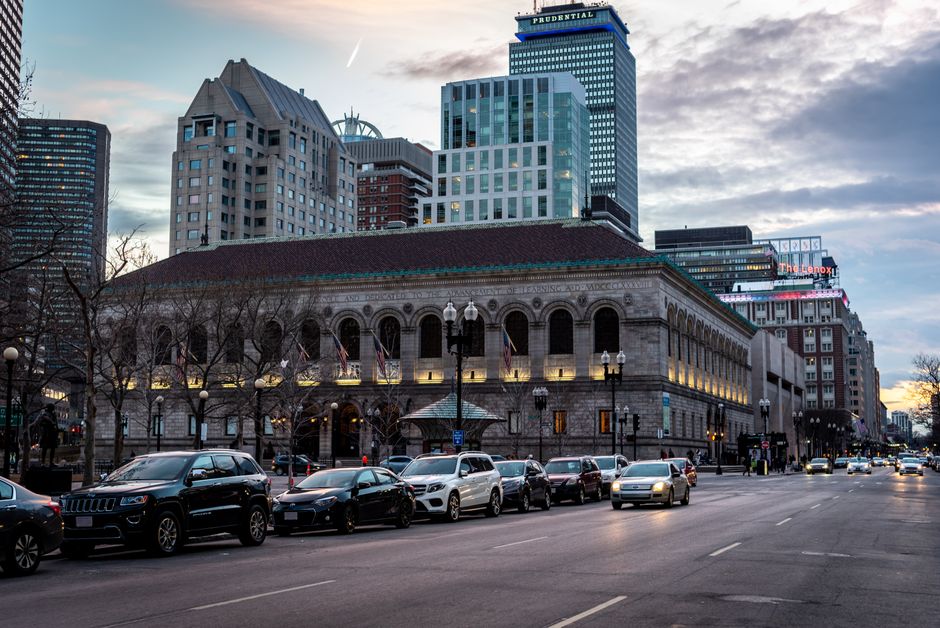
Walk through Seaport District on a Tuesday morning and you'll notice something that seemed unthinkable five years ago: the sidewalks aren't clogged with the usual 9-to-5 rush. Instead, a steady trickle of workers flows toward glass-fronted coworking facilities, arriving on their own schedules, leaving whenever their workday permits.
This shift is reshaping Boston's urban landscape in ways both obvious and subtle. According to recent market data, the city now hosts over 150 coworking and flexible workspace locations—up from fewer than 30 in 2020. Monthly membership fees range from $300 for part-time access to $800 for dedicated desks, making them accessible to freelancers, startup employees, and corporate workers alike.
The ripple effects are visible across neighborhoods. In Cambridge, residential rents near major transit hubs have stabilized as fewer workers need to live within walking distance of traditional office parks. Meanwhile, coffee shops along Newbury Street report extended lunch rushes as remote workers take meetings from cafes rather than corporate conference rooms. Local bakeries and restaurants have adjusted hours to accommodate the new midday traffic patterns.
For residents, the changes are deeply personal. Parents working from nearby coworking spaces report greater flexibility for school pickups. Young professionals in Somerville can maintain higher-paying Boston jobs without the 90-minute commute that once consumed their evenings. The Massachusetts Bay Transportation Authority has seen modest shifts in peak-hour ridership, allowing for slightly less overcrowded trains for essential commuters.
But this transformation isn't without complications. Boston's older neighborhoods—particularly those on the Orange and Red Lines—have seen increased daytime foot traffic and parking pressure as residents work locally rather than commuting downtown. Some community groups worry about the loss of traditional office culture that once anchored downtown commercial corridors.
Real estate developers are responding. Several converted historic buildings in the Financial District now combine coworking spaces with residential units, betting that workers want to minimize commute times entirely. The trend reflects a broader recognition that for many Bostonians, the definition of 'going to work' has fundamentally changed.
As offices continue their slow transformation from mandatory destination to occasional destination, Boston's workers are voting with their feet—and increasingly, they're choosing to stay closer to home.
This article was compiled by AI from the sources linked above and screened before publishing. See our editorial standards.