Boston's Venture Capital Elite Bet Big on Next-Generation AI and Climate Tech
As Series A rounds swell past $15 million averages, local investors reveal the product categories and technical breakthroughs they're funding through 2027.
As Series A rounds swell past $15 million averages, local investors reveal the product categories and technical breakthroughs they're funding through 2027.
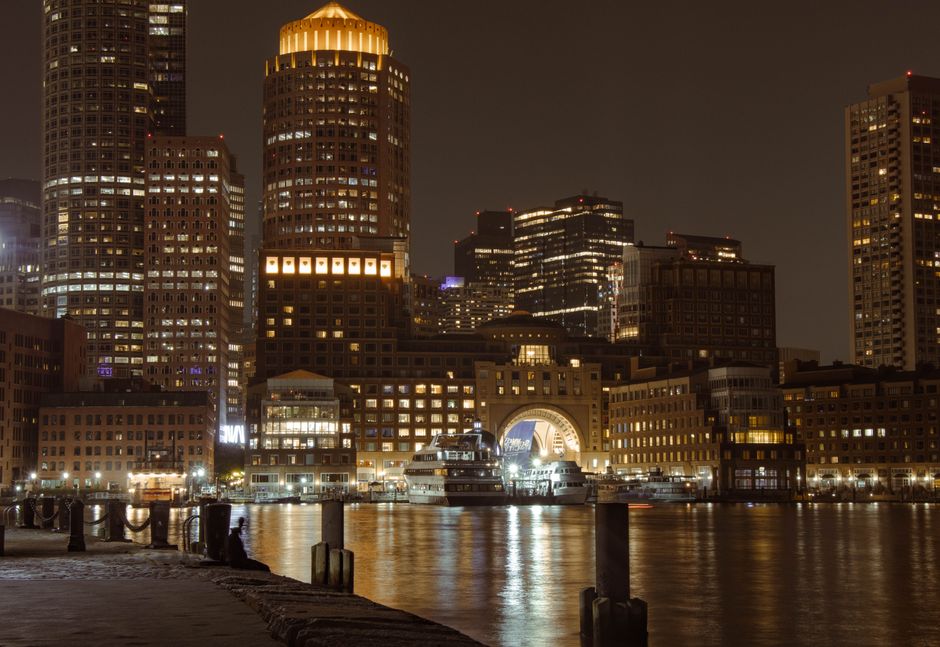
Boston's startup ecosystem is entering a critical inflection point. While the broader venture capital landscape remains cautious about valuations, the city's most active investors—clustered around Seaport, Cambridge, and the Innovation District—are quietly reshaping their portfolios toward a handful of emerging categories that promise outsized returns.
Data from the Boston VCA shows that AI-adjacent startups now account for 34% of seed and Series A funding in the region, up from 18% three years ago. But the real story lies in what comes next: founders and investors meeting in coffee shops along Boylston Street and in the glass towers of Atlantic Wharf are increasingly focused on autonomous industrial systems, synthetic biology pipelines, and what venture partners call "climate adaptation infrastructure."
Several mid-stage firms here—including ventures housed in the MIT.nano building and throughout Cambridge's Kendall Square—are developing what insiders describe as the next wave of enterprise software: AI-native tools designed specifically for supply chain resilience in unstable regions. Given recent global instability, investors view this as both a moral imperative and a defensible market wedge.
The median Series A in Boston now sits at $16.2 million, a 23% increase from 2024. Yet capital deployment timelines have stretched. Investors are patient, waiting for product-market fit signals before deploying tranches toward Series B. This shift reflects a maturation in how the region thinks about risk.
Biotech remains the city's second pillar. Startups working on cell therapy manufacturing, gene editing platforms, and diagnostic automation are attracting sustained interest. Cambridge-based firms in particular are benefiting from proximity to Harvard Medical School and the Broad Institute, creating what some call a "convergence advantage." Several investors mentioned at the recent Boston Tech Summit that de-risked manufacturing processes—moving from bench to clinic faster—represent the real product innovation happening now, not the science itself.
Real estate economics matter too. Startup office space in Seaport averages $45 per square foot annually, down from $62 in 2022. This has attracted engineering-heavy teams relocating from San Francisco and New York, bringing talent density that feeds the entire ecosystem.
The consensus among active partners: 2027 will separate the wheat from chaff. Companies that can demonstrate clear defensibility in AI applications, climate mitigation, or biotech manufacturing will thrive. Those chasing inflated market TAMs without technical moats will face a reckonings. Boston's particular advantage—deep institutional knowledge, proximity to research universities, and a risk-aware investor class—positions it well for this transition.
This article was compiled by AI from the sources linked above and screened before publishing. See our editorial standards.
How does this story make you feel?
Spread the word
About this article
Published by The Daily Boston
Daily brief
Free, in your inbox before 7am. Weekdays.
More in tech