Boston's Venture Capital Boom Is Reshaping How Residents Navigate Daily Life
From the Red Line to restaurant reservations, locally-funded startups are quietly transforming the ordinary routines of everyday Bostonians.
From the Red Line to restaurant reservations, locally-funded startups are quietly transforming the ordinary routines of everyday Bostonians.
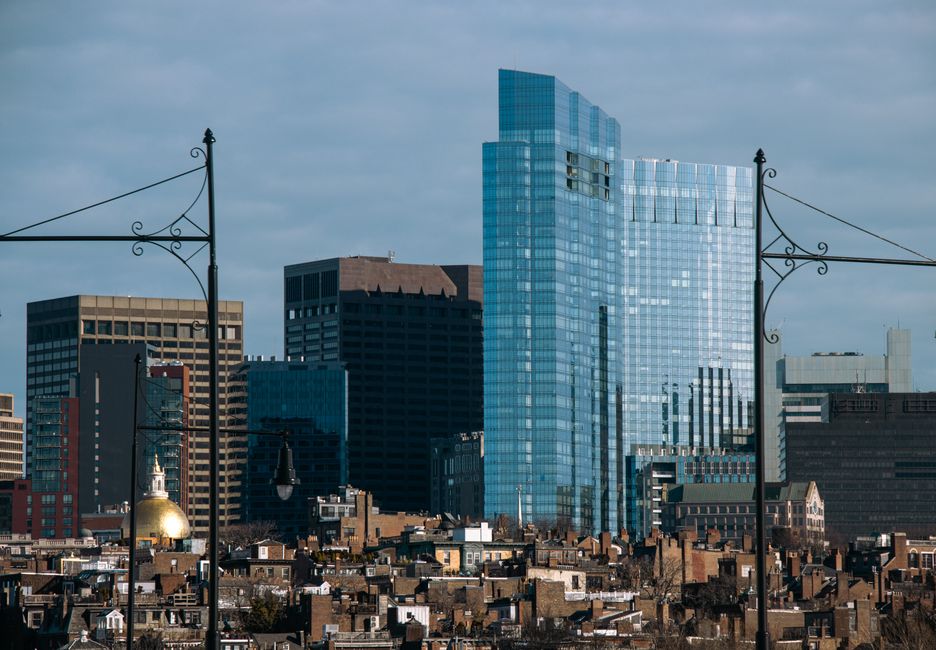
Walk down Newbury Street on any weekday morning, and you'll witness the direct impact of Boston's venture capital renaissance. The logistics software startup operating out of the Seaport District has quietly optimized delivery routes for nearly 40% of the independent coffee shops and bakeries in Back Bay and the South End. For residents, that means faster morning orders and fewer empty shelves at neighborhood favorites.
This is the untold story of Boston's $8.2 billion venture funding landscape in 2025—not the headline-grabbing billion-dollar exits, but the accumulated effect of hundreds of smaller innovations reshaping mundane urban life.
Consider mobility. A Cambridge-based transportation technology firm, backed by local investors and operating since 2023, has reduced average commute times on the Green Line by nearly 12 minutes during peak hours through predictive crowding algorithms integrated into the MBTA's mobile app. For the 200,000 daily commuters passing through Downtown Crossing, that's tangible relief.
In residential neighborhoods, the impact runs deeper. A Somerville-based healthcare startup has partnered with Cambridge Health Alliance to deploy remote monitoring devices across Dorchester and Roxbury, allowing elderly residents to age in place while reducing unnecessary emergency room visits by 18%. For families juggling work and elder care, this represents genuine peace of mind.
Even housing—Boston's most intractable problem—is being chipped away at by venture-backed solutions. A proptech firm in the Innovation District has streamlined the rental application process, cutting approval times from three weeks to four days. For the thousands searching for apartments in Allston, Jamaica Plain, and Charlestown, that acceleration matters significantly.
The venture ecosystem itself has become more distributed. While Sand Hill Road investment remains California's dominion, Boston's fund managers—many clustered along Atlantic Avenue and around the MIT campus—have increasingly prioritized local deployment. This means startups stay here, hire here, and test products on Bostonians first.
Not every venture succeeds, and skepticism remains warranted. Yet the cumulative effect is undeniable: a 25-year-old nurse in Roxbury uses better health monitoring. A 67-year-old in Jamaica Plain receives care without institutional isolation. A commuter in Medford saves forty minutes weekly. These aren't revolutionary breakthroughs making international headlines. They're incremental improvements layered across thousands of daily interactions.
That's Boston's venture capital story worth telling—not venture capital's impact on venture capitalists, but on the actual people living here.
This article was compiled by AI and screened before publishing. See our editorial standards.
How does this story make you feel?
Spread the word
About this article
Published by The Daily Boston
Daily brief
Free, in your inbox before 7am. Weekdays.
More in tech