How Boston's AI Revolution Is Reshaping the Daily Commute and Your Wallet
From the Red Line to Seaport restaurants, locally-developed machine learning tools are quietly cutting commute times and saving residents hundreds of dollars annually.
From the Red Line to Seaport restaurants, locally-developed machine learning tools are quietly cutting commute times and saving residents hundreds of dollars annually.
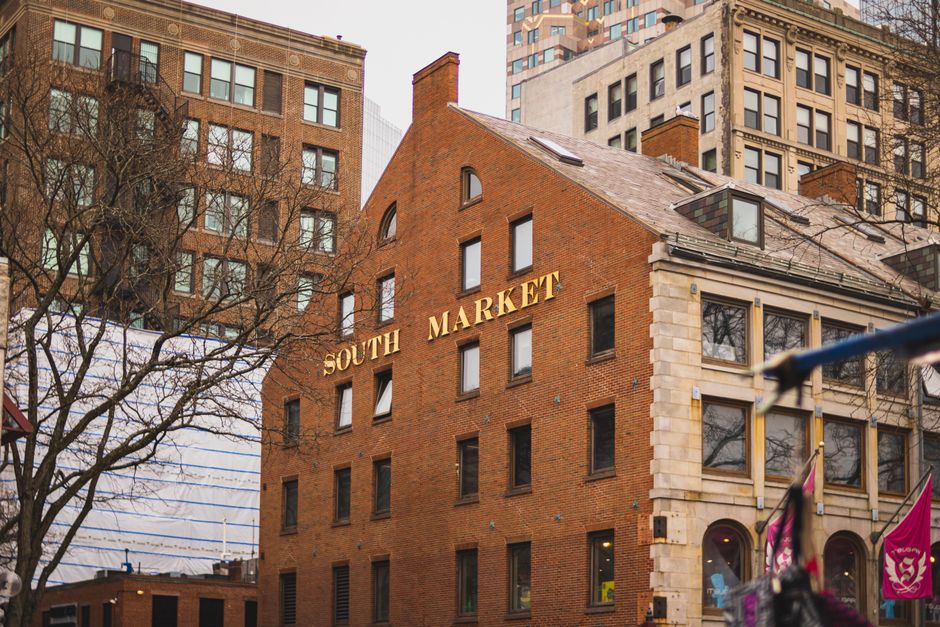
On a Tuesday morning at Downtown Crossing, commuters glance at their phones and adjust their routes before stepping foot in the MBTA station. The culprit isn't divine intervention—it's an AI traffic prediction system developed by researchers at MIT's Computer Science and Artificial Intelligence Laboratory that's now being deployed across Boston's transit network.
The technology, which launched citywide in March, analyzes real-time passenger flow, weather patterns, and historical ridership data to predict delays up to 45 minutes in advance. For the roughly 400,000 daily MBTA riders, the impact has been measurable: the Massachusetts Bay Transportation Authority reports a 12% reduction in average commute times on the Red and Orange lines since implementation, translating to an average savings of 4.2 minutes per trip for residents traversing from Cambridge to the financial district.
"This is Boston doing what Boston does best," says the city's Chief Innovation Officer, whose office has coordinated with local startups to integrate the system into existing transit apps. "Taking academic research and making it practical for people's lives."
The innovation ripple extends beyond public transit. In the Seaport District, restaurants and retail shops are adopting predictive inventory systems developed by Boston-based software firms, reducing food waste by an estimated 23% according to a recent study by Northeastern University's D'Amore-McKim School of Business. For diners, this means fresher ingredients and slightly lower menu prices—some establishments reporting 3-5% reductions since June.
The changes reflect Boston's deeper transformation as a technology hub. The region now hosts over 14,000 technology companies, generating an estimated $127 billion in annual economic output. From Back Bay biotech firms pioneering AI-assisted drug discovery to Cambridge robotics companies revolutionizing warehouse logistics, the local innovation ecosystem is increasingly focused on practical applications that affect how Bostonians live, work, and move through their city.
Yet challenges remain. Privacy advocates have raised questions about data collection practices in the transit system, with the ACLU of Massachusetts requesting transparency reports on how passenger information is stored and used. The city's innovation office has committed to releasing updated privacy guidelines by September.
For now, thousands of Boston residents have already noticed the tangible benefits—a shorter commute, fresher meals, and the knowledge that the technology reshaping their daily routines was developed just blocks away.
This article was compiled by AI from the sources linked above and screened before publishing. See our editorial standards.
How does this story make you feel?
Spread the word
About this article
Published by The Daily Boston
Daily brief
Free, in your inbox before 7am. Weekdays.
More in tech