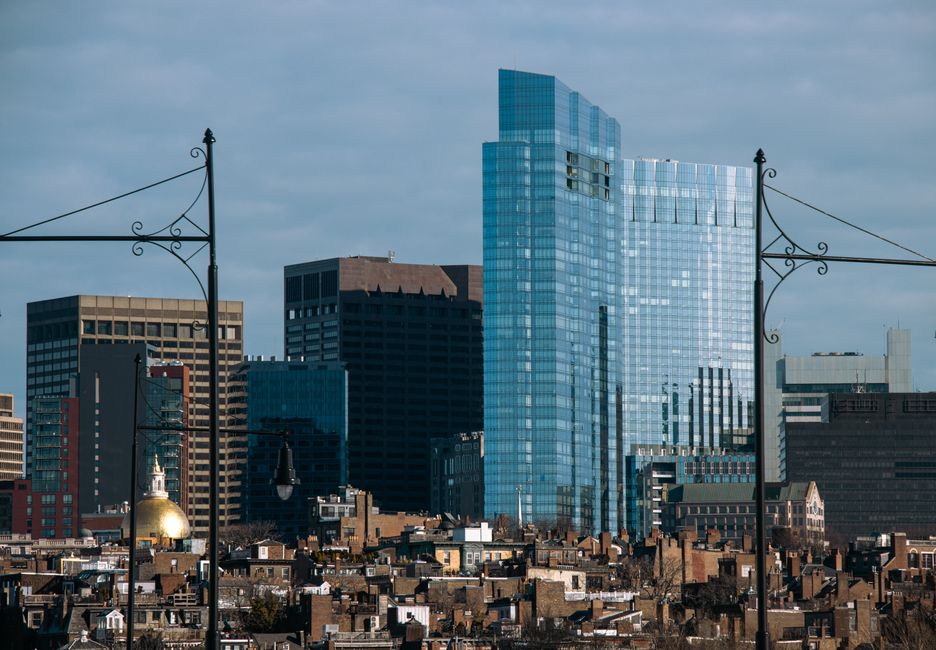
Walk through the Innovation District near Fort Point Channel and you'll see the gleaming headquarters of companies pledging to revolutionize renewable energy. Solar panel manufacturers, battery startups, and green hydrogen firms have flooded into Boston's tech ecosystem over the past three years, attracting nearly $2.4 billion in venture capital. Yet beneath the sustainability messaging lies a messier reality that few venture capitalists want to discuss openly.
The promise is real: Massachusetts aims to achieve net-zero emissions by 2050, and Boston's green tech sector is pivotal to that goal. But the path there is fraught with ethical minefields that the industry has largely sidestepped. Consider lithium mining for EV batteries—critical for Boston's thriving electric vehicle charging network, now spanning Seaport, Cambridge, and Somerville. Lithium extraction in South America and Asia often devastates local water supplies and indigenous communities who see minimal benefit from the profits flowing back to U.S. tech firms.
Then there's the labor question. While companies headquartered in the Prudential Center and along Boylston Street tout their sustainability credentials, many outsource manufacturing to regions with weak environmental regulations and lower wages. A worker assembling solar panels in Southeast Asia makes a fraction of what a Boston-based engineer earns—yet bears equivalent health risks from chemical exposure.
The transition itself poses risks to working-class Bostonians. As the city phases out natural gas heating by 2050, renters and homeowners in neighborhoods like Dorchester and Roxbury face substantial retrofitting costs. While wealthy residents of Beacon Hill can absorb heat pump installations and electrical upgrades, lower-income families fear being priced out or stuck with predatory retrofit financing. City leaders have promised subsidies, but funding remains uncertain.
Supply chain volatility adds another layer of concern. The semiconductor shortage of 2021-2023 demonstrated how dependent clean energy infrastructure is on fragile global networks. Battery manufacturers and solar producers remain vulnerable to geopolitical disruptions, as recent U.S.-China trade tensions underscore.
None of this negates the urgency of climate action. But Boston's clean energy ambitions deserve scrutiny beyond the marketing materials. Genuine sustainability requires confronting where minerals come from, who builds our technology, and whether the green transition leaves anyone behind. Until the city's tech sector grapples honestly with these questions, the sustainability story remains incomplete—and, for many, deeply unequal.
This article was compiled by AI from the sources linked above and screened before publishing. See our editorial standards.