Boston's Green Tech Boom Hides a Darker Side: Who Pays the Real Cost?
As the city races toward net-zero ambitions, questions linger about labor practices, supply chains, and whether sustainability is just another luxury for the wealthy.
As the city races toward net-zero ambitions, questions linger about labor practices, supply chains, and whether sustainability is just another luxury for the wealthy.
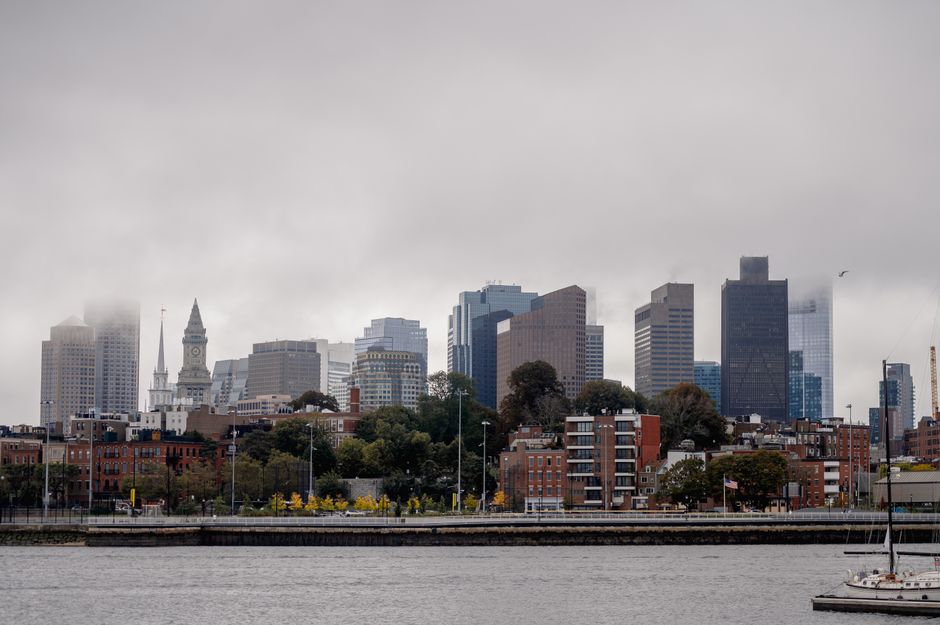
Walk through the Seaport District on any given afternoon and you'll see the future Boston wants to project: glass buildings topped with solar arrays, electric vehicle charging stations on every corner, and venture capitalists funding the next generation of clean energy startups. It's an intoxicating vision—one that's attracted over $2.3 billion in green tech investment to Massachusetts over the past three years alone.
But beneath the glossy sustainability narrative lies a messier reality that Boston's tech community has only begun to reckon with. Last year, three major battery manufacturers operating supply chains connected to local clean energy companies faced investigations into cobalt mining practices in the Democratic Republic of Congo—the same region currently battling an Ebola crisis. The connection feels distant until you realize these batteries power the renewable energy grid proponents say will save us.
The ethics aren't confined to overseas mining. Here in Boston proper, the push toward green gentrification is displacing longtime residents from neighborhoods like Jamaica Plain and Roxbury. Solar-ready roofing retrofits and EV-charging infrastructure improvements have coincided with property tax increases averaging 18 percent since 2023, pricing out working families even as environmental benefits accrue to newcomers who can afford $450,000+ condos on electrified blocks.
"There's a real tension," says the sustainability sector, between reducing carbon emissions and ensuring that transition doesn't become another form of inequality. The city's Climate Action Plan targets carbon neutrality by 2050, yet affordable housing advocates point out that low-income residents—disproportionately communities of color—bear the worst effects of the energy infrastructure construction process: diesel trucks, noise, air quality degradation in neighborhoods already overburdened by industrial emissions.
Then there's the labor question. Boston's growing clean tech ecosystem generates high-wage jobs, but studies show persistent gender and racial disparities in hiring for engineering and management roles at firms clustered around Cambridge and the Innovation District. Entry-level positions, meanwhile, often pay below regional living wages.
None of this negates the urgency of climate action. Massachusetts leads the nation in renewable energy adoption, and Boston's commitment matters. But the city's tech leaders face an uncomfortable truth: sustainability cannot be genuinely achieved if it's built on exploitative supply chains, accelerated gentrification, and inequitable access to the green economy's benefits.
The question Boston must ask isn't whether to pursue green tech—it's whether we're willing to confront whose futures we're actually building when we build them.
This article was compiled by AI and screened before publishing. See our editorial standards.
How does this story make you feel?
Spread the word
About this article
Published by The Daily Boston
Daily brief
Free, in your inbox before 7am. Weekdays.
More in tech


