tech
AI in Boston: How Local Businesses Are Changing the Way You Shop, Eat, and Bank
From a South End roastery to a downtown credit union, artificial intelligence is quietly reshaping everyday transactions for Boston residents.
How we reported this
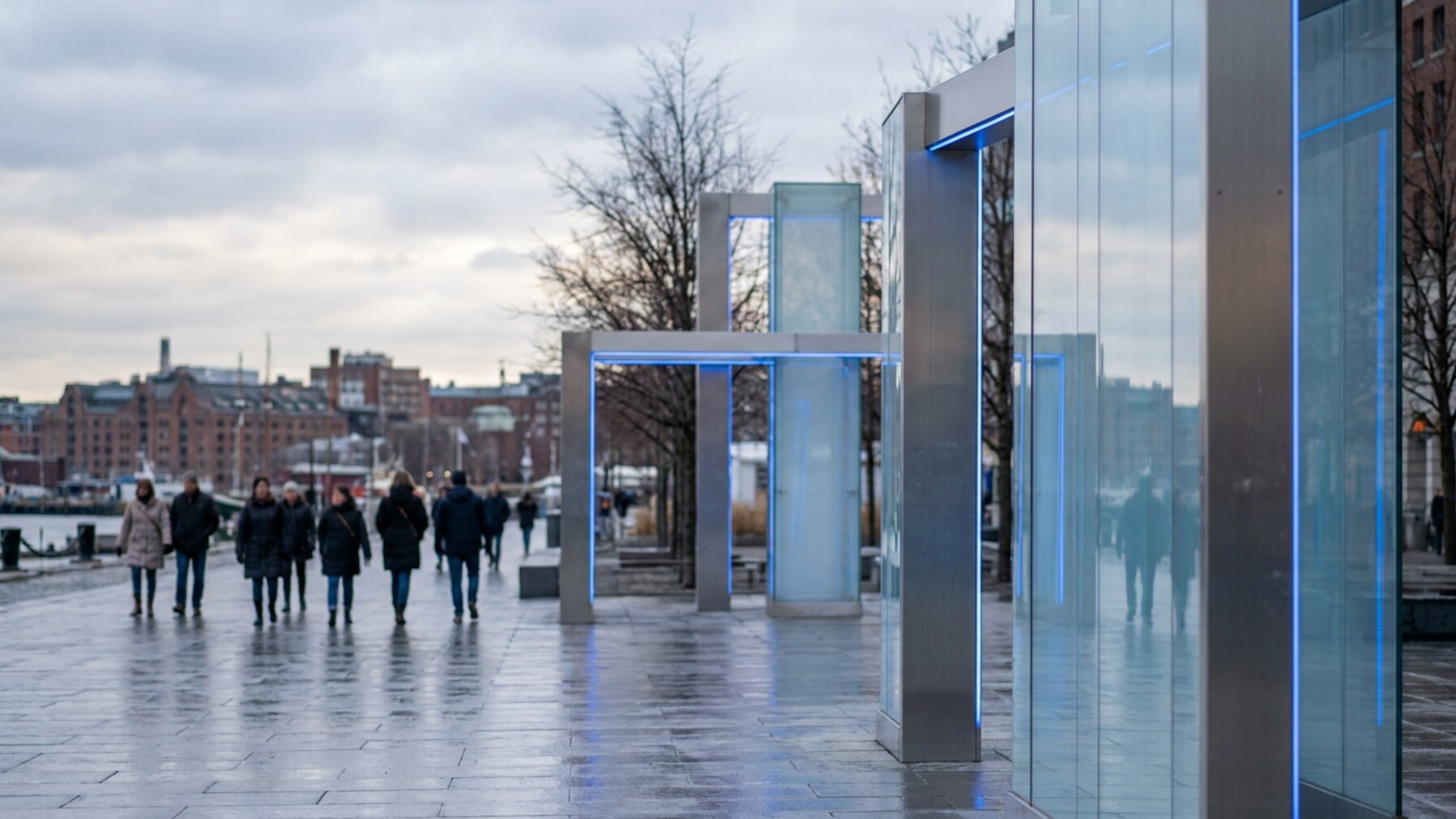
A roastery on Tremont Street in the South End is using artificial intelligence to predict when customers want their next cup of coffee-often before they walk in the door. Boston Common Coffee Co., which opened its fourth location in 2024, began testing an AI-powered inventory and scheduling system last November. Owner Maria Torres told The Daily Boston that the system, which cost $12,000 to install, has already cut waste by 22 percent and shortened average wait times from four minutes to under two. The roastery is among a growing number of small businesses across Boston leveraging AI to streamline operations, adjust pricing in real time, and tailor recommendations to individual customers.
The shift comes as Boston’s tech sector-anchored by MIT, Harvard and over 1,200 startups-pushes AI tools beyond the lab and onto the street. Unlike the splashy consumer apps of a few years ago, these systems are embedded in mundane but critical tasks: restocking shelves, routing delivery trucks, and even answering customer calls. The result, according to a report released last month by the Boston Foundation, is that the average Bostonian now encounters AI in at least five routine interactions per week-from ordering a latte to checking a bank balance-often without realizing it.
From Seaport to Dorchester: AI on the Ground
At the Seaport’s Innovation District, a financial technology startup called LuminaPay has partnered with Boston Firefighters Credit Union on Dorchester Avenue to deploy an AI-driven loan approval system. The system, launched in March 2026, processes applications from low-income borrowers in Roxbury and Mattapan in under 90 seconds, a process that previously took two business days. The credit union told The Daily Boston that early data from 340 applicants shows approval rates have increased by 18 percentage points while default rates remain flat. “We saw a demand for speed and fairness,” said a credit union manager who declined to be named, citing company policy. “This doesn’t replace human judgment, but it does cut the anxiety.”
On the retail side, a trio of shops along Newbury Street-including a bookstore, a boutique, and a café-began using a shared AI platform in January to track foot traffic and adjust pricing on slow-moving inventory. The platform, developed by a Cambridge-based firm called Relay, costs $600 per month per business. Combined sales at the three locations have risen 14 percent year-over-year, according to sales data shared with The Daily Boston.
What the Numbers Say-and What Comes Next
A citywide survey conducted by the Boston Redevelopment Authority in June 2026 found that nearly 1 in 3 small businesses in Boston-32 percent-now uses some form of AI, up from 11 percent in 2023. Among those businesses, the most common applications were customer service chatbots (used by 41 percent) and predictive ordering systems (used by 28 percent). The average investment per business was $8,500, with a median return on investment of 34 percent over 12 months. The survey also highlighted a digital divide: businesses in lower-income neighborhoods like East Boston and Hyde Park adopted AI at half the rate of those in the Back Bay and Beacon Hill-16 percent versus 32 percent.
Boston’s Office of Economic Development plans to launch a pilot program in September that will offer subsidized AI tools to businesses in eight priority neighborhoods, including Dorchester, Roxbury, and Mission Hill. The program, called AI for Main Street, will provide free access to a curated suite of software for three months, followed by a sliding-scale fee. Businesses can apply starting August 1 through the city’s online portal. For now, any resident who has bought a croissant or deposited a check this week in Boston has likely tested a system that, two years ago, was still a pitch deck. The question is how many more will have that experience by this time next year.