Technology
Boston’s Broadband Backbone: What Sets Its Tech Ecosystem Apart Globally
From fiber-optic infrastructure to innovation hubs, Boston’s connectivity fuels a uniquely dynamic tech environment.
How we reported this
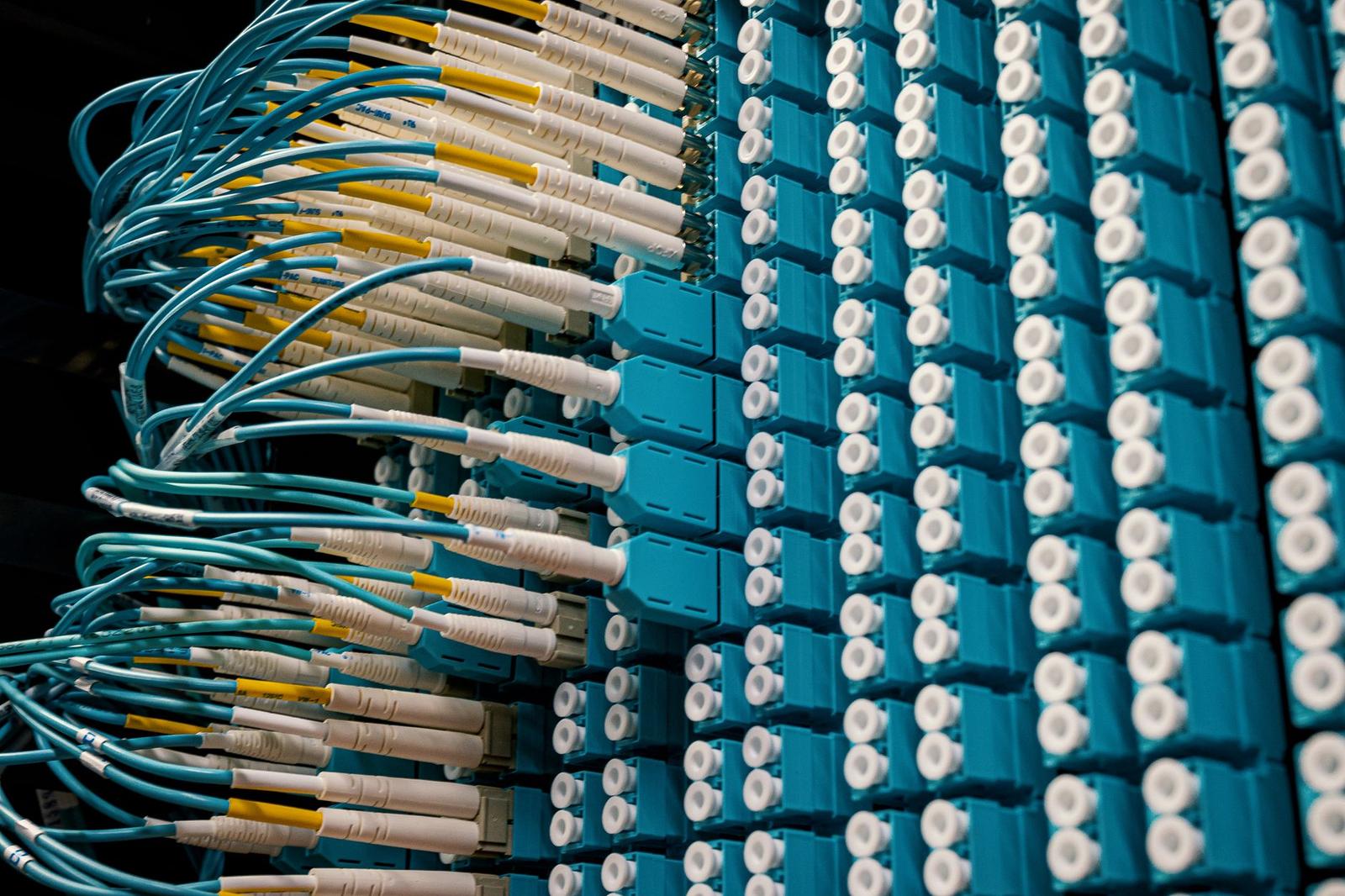
Boston’s tech scene is increasingly distinguished by its advanced broadband network supporting a dense cluster of research institutions, startups, and corporate innovation centers. The city boasts some of the fastest average internet speeds in the United States, with providers offering gigabit connectivity to key innovation districts such as Kendall Square and the Seaport.
This expanding digital infrastructure is critical now as Boston solidifies its position as a global technology hub. With rising demand for remote work capabilities, data-intensive research in biotechnology and artificial intelligence, and the growing presence of tech giants alongside startups, the city’s broadband capacity not only drives daily operations but attracts investment and talent worldwide.
Local Infrastructure and Innovation Centers Power Connectivity
Two pillars underpin Boston’s broadband advantage: the Commonwealth’s MassBroadband 123 initiative and dedicated tech corridors in neighborhoods like Cambridge’s Kendall Square and the Seaport District. MassBroadband 123 extends fiber-optic lines beyond Boston, strengthening regional connectivity and linking research campuses with enterprise data centers efficiently.
Within the city, Kendall Square-home to MIT, Biogen, and dozens of startups-offers ultra-low-latency networks facilitating cutting-edge biotech experiments and cloud computing. The Seaport District’s Boston Innovation Center combines high-speed fiber with co-working spaces designed for software and cybersecurity firms. Local providers like Starry and Verizon offer packages ranging around $70 to $100 per month for gigabit service, providing affordable, reliable access to a broad user base.
Data and Growth Highlight Boston’s Digital Edge
According to a 2026 report from the Massachusetts Technology Collaborative, average broadband speeds in Boston increased by 40% over the past two years, reaching a median download rate of 250 Mbps citywide and up to 1 Gbps in tech-focused zones. Economic data shows a 12% growth in tech employment in Boston since 2024, outpacing national averages and coinciding with infrastructure upgrades that enable remote collaboration and complex, data-heavy applications.
Furthermore, Boston’s dense concentration of universities and research institutions-more than 60 within the metro area-relies heavily on robust digital networks. These institutions are the proving grounds for innovations in quantum computing and AI, sectors that require exceptional data transfer speeds and minimal downtime.
As the cost of high-end broadband continues to decrease nationally, Boston’s market presents an attractive proposition for startups seeking state-of-the-art connectivity without prohibitive expenses, contrasting with pricier coastal tech centers.
Looking ahead, Boston’s municipal government plans to expand public broadband access further into underserved neighborhoods such as Dorchester and Roxbury. This expansion aims to grow the diversity of the tech workforce by increasing digital literacy and connectivity for residents beyond the traditional innovation districts.
Tech entrepreneurs and organizations interested in Boston’s ecosystem should prioritize securing high-speed connectivity early, as capacity in the most electrifying neighborhoods remains in demand. Those looking to tap into Boston’s full potential can connect with innovation clusters at Kendall Square and the Seaport, while keeping an eye on upcoming public broadband projects.
In an environment where milliseconds matter-from biotech experiments to financial models-Boston continues to build on its broadband backbone as a foundational asset that powers its distinctive global tech identity.