Technology
Boston's Smart City Roadmap: What's Coming Next to Transform the Hub
City officials and tech companies are charting an ambitious agenda for the next three years, targeting traffic congestion, aging water systems, and energy inefficiency.
How we reported this
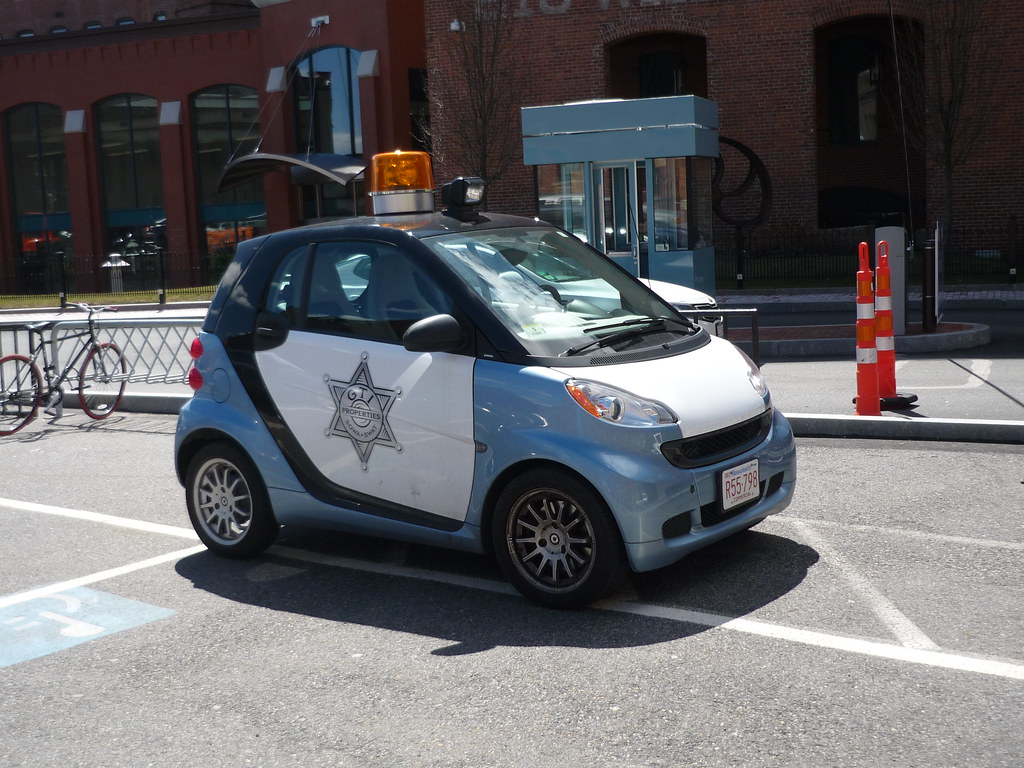
Boston's Department of Innovation and Technology released its updated smart city development plan last month, mapping out $47 million in projects through 2029 that will touch nearly every corner of the city-from the Seaport District's autonomous shuttle pilot to Cambridge Street's new intelligent traffic management system.
The timing reflects a larger pressure facing American cities. Infrastructure is aging. Traffic snarls cost the Boston metro region roughly $8.2 billion annually in lost productivity, according to a 2025 INRIX study. Meanwhile, climate disasters across Europe and Asia-from Spanish wildfires destroying entire towns to typhoons crushing infrastructure in coastal regions-have made city planners acutely aware that resilience isn't optional. Boston sits on that knife's edge: a major global city with aging water mains from the 1890s and a transportation system built for a different century.
The city's roadmap prioritizes three domains: mobility, utilities, and public safety. On the mobility front, the pilot launching this fall on Atlantic Avenue will deploy 12 autonomous shuttle vehicles during off-peak hours, ferrying people between the Seaport District and the Financial District. The Boston Planning and Development Agency is also greenlit a $12 million traffic signal modernization project covering the Longwood Medical Area and South End, integrating real-time data feeds that adjust light timing based on actual traffic flow rather than preset schedules.
Water infrastructure gets significant attention. The Boston Water and Sewer Commission is rolling out sensor networks across downtown neighborhoods-starting with Beacon Hill in September-to detect leaks within hours rather than weeks. The system uses acoustic sensors buried beneath streets to pinpoint main breaks, potentially saving the commission $3 million annually in water loss. That matters: Boston currently loses about 10 percent of its treated water to leaks, a figure executives say they can cut to 6 percent by 2029.
The Innovation Machine Kicks Into Gear
Several local technology firms are building the backbone for these systems. GE Vernova, which has offices in Needham, is supplying the grid-management software for a new energy optimization project in the Fenway neighborhood, scheduled to launch in early 2027. The system will balance demand across roughly 200 buildings, reducing peak load consumption by 15 percent. Meanwhile, Avangrid, the Spanish utility company with significant operations in Massachusetts, is testing dynamic street lighting along Storrow Drive-lights that brighten only when pedestrian or vehicle sensors detect movement, cutting energy use by 40 percent compared to standard always-on systems.
The city has also contracted with Waze for real-time traffic data integration, meaning commuters will see more accurate arrival times and rerouting suggestions by October. What sounds trivial is actually a test bed for something bigger: the data Waze collects becomes city property after 18 months, feeding the city's own traffic prediction models.
Skeptics point to implementation challenges. The city's track record on tech projects is mixed. The new parking app that launched in 2023 took 18 months longer than projected. Budget overruns are common. And some neighborhood groups worry about surveillance-the public safety strand of the roadmap includes expanded CCTV coverage in the Downtown Crossing area and automated license plate readers at key intersections. The American Civil Liberties Union of Massachusetts sent a letter to City Hall in June requesting guardrails on data retention and access protocols.
What Happens Over the Next 24 Months
The real test comes in execution. City officials are holding monthly public reviews of project timelines through 2027, a transparency measure that didn't exist for past initiatives. The first autonomous shuttle launches October 15th. Water sensors go live in Beacon Hill on September 1st. Both projects have firm completion dates and assigned accountability.
If Boston pulls off even 70 percent of what's on the roadmap, the city will have built something genuinely useful: a functioning nervous system that lets infrastructure talk to itself. That's harder than it sounds. But the pressure-climate, congestion, age-means Boston's smart city push isn't a luxury innovation anymore. It's maintenance.