Ask a committed runner in Boston what changed everything, and you'll rarely hear about downloading a fancy app or signing up for a marathon. Instead, you'll hear about the small, deliberate choices that turned exercise into something as automatic as morning coffee.
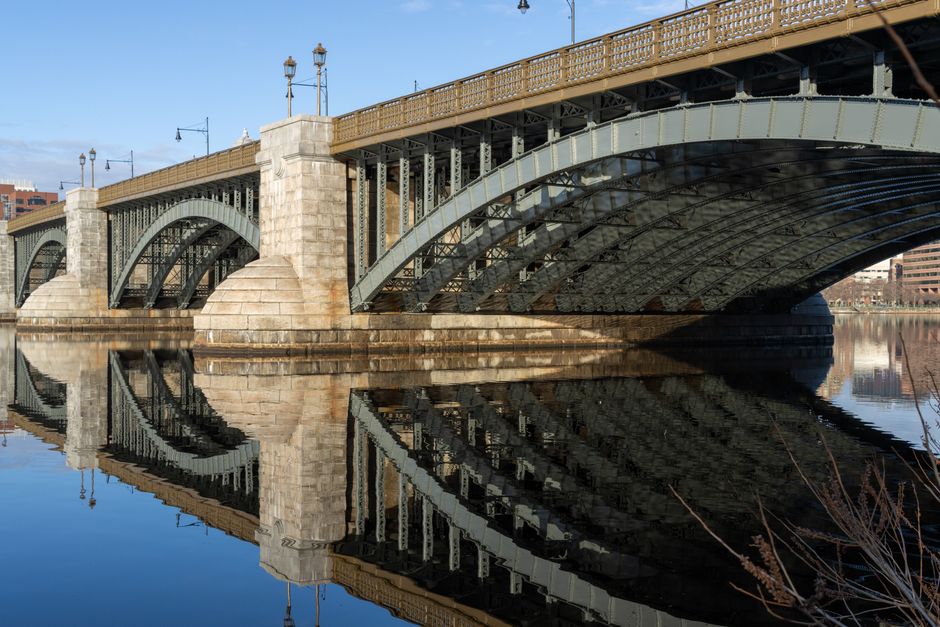
The Charles River Esplanade remains the city's unofficial running headquarters, and for good reason. The 17-mile path stretches from Watertown through Cambridge and into the Back Bay, offering runners predictable terrain and consistent scenery. But locals say the real win isn't the route itself—it's anchoring their runs to existing daily schedules. A Cambridge-based runner might complete a 3-mile loop before heading to work at MIT or Harvard, turning the Esplanade into a commute hybrid. Others use the path's numbered mile markers to establish concrete goals: "I'll run to marker 5 and back," which eliminates decision fatigue.
The practice extends across Boston's neighbourhoods. Runners in Dorchester have adopted the Neponset River Trail as their reliable option, while Brookline residents gravitate toward the reservoirs and paths near the Frederick Law Olmsted-designed park system. What unites these groups isn't the location—it's consistency. Locals report that designating a specific day and time dramatically increases adherence. Tuesday and Thursday mornings. Saturday at 7 a.m. The specificity matters.
Boston's running culture has also normalized the "minimal barrier" approach. Rather than waiting for ideal weather or perfect conditions, successful local runners build gear around seasonal Boston realities. A lightweight layer system for spring humidity. A reliable headlamp for winter's early darkness. The habit becomes non-negotiable because the friction has been reduced to nearly zero.
Some runners have integrated the Freedom Trail into their routine, transforming a tourist landmark into a structured 2.4-mile workout that combines history with fitness. Others use Boston's network of neighbourhood parks—Franklin Park in Jamaica Plain, the Emerald Necklace system—as rotating options, which prevents monotony while maintaining accessibility.
The Boston Marathon culture undoubtedly influences the city's running identity, but seasoned local athletes emphasize that sustainable habits rarely involve racing goals. Instead, they focus on identity-building: "I'm someone who runs before work," or "I'm the person who does the Esplanade loop on Thursdays." This psychological shift—from activity as obligation to activity as identity—appears to be the actual habit-maker in a city known for its competitive spirit.
For those beginning an outdoor fitness routine, local running clubs and community organisations offer guidance, though experts consistently recommend starting with one manageable habit rather than complete lifestyle overhaul.
This article was compiled by AI and screened before publishing. See our editorial standards.