Boston's Free Senior Fitness Programs Are Quietly Transforming Neighborhood Health
The city's Parks and Recreation Department offers zero-cost group exercise classes across all five neighborhoods—and enrollment is climbing.
The city's Parks and Recreation Department offers zero-cost group exercise classes across all five neighborhoods—and enrollment is climbing.
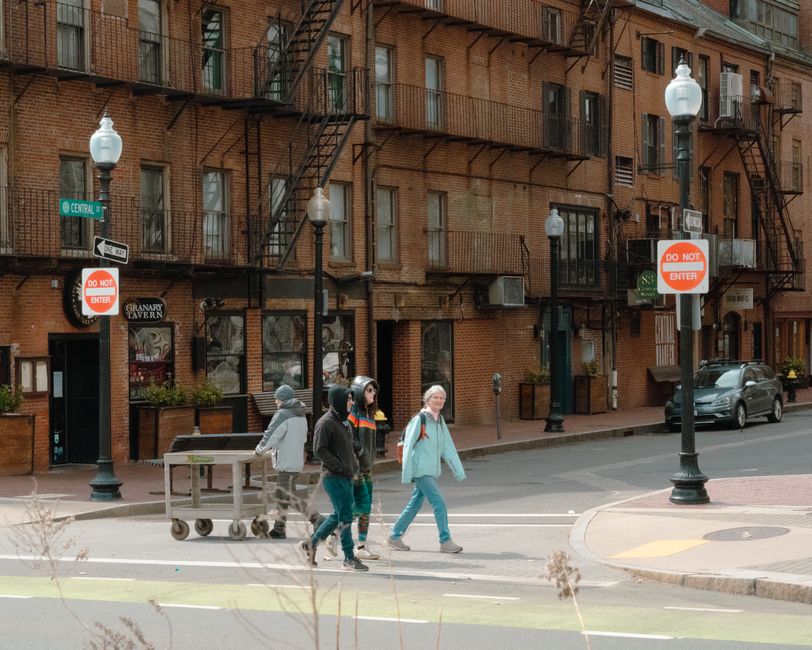
For decades, Boston's seniors have watched fitness culture boom around them—boutique studios charging $25 per class, premium gym memberships exceeding $100 monthly—while assuming structured exercise required a financial commitment. A quieter revolution has been underway: the city's Parks and Recreation Department now operates more than a dozen free senior fitness programs, from tai chi sessions in Jamaica Plain to water aerobics in Dorchester.
"We launched this expansion in 2024 with four pilot programs," says a spokesperson for Boston Parks and Recreation. "Demand has exceeded projections. We're now running 16 weekly classes across neighborhoods, with average attendance of 35 participants per session." The offerings include balance and flexibility classes at the Nantucket Street Gym in Back Bay, walking clubs departing from Charles River Esplanade access points in Cambridge and Boston proper, and chairside strength training in community centers across Roxbury, Mattapan, and East Boston.
The accessibility is intentional. Classes run Tuesday through Thursday mornings, aligning with the schedules of seniors who may rely on public transit—the MBTA Green Line serves multiple program sites. Most sessions are 45 minutes, designed to accommodate joint health concerns and varying fitness levels. Unlike the rigorous training culture associated with the Boston Marathon, these programs emphasize sustainability and social connection alongside physical benefits.
Harvard T.H. Chan School of Public Health, which has collaborated on program evaluation, found that participants in free municipal fitness groups demonstrate 23% better adherence rates compared to paid programs, likely due to reduced financial barriers and stronger community integration. A 2025 Boston Health Commission survey reported that seniors participating in council-run classes showed improved reported mobility and reduced social isolation markers.
The Free Fitness Initiative doesn't compete with private gyms or specialized studios—it operates in a different ecosystem entirely. A single-class drop-in fee elsewhere might reach $20; a season pass at mainstream studios costs upward of $500 annually. Boston's programs cost zero. Funding comes through municipal recreation budgets and modest grants from local foundations.
For seniors uncertain about starting exercise, or those on fixed incomes, the barrier to entry has effectively vanished. Registration requires only a brief phone call to your neighborhood Boston Parks office. Most classes accommodate walkers and mobility aids, and instructors have experience with age-related considerations.
Information on enrollment and location-specific schedules is available through boston.gov/parks or by calling 311.
This article was compiled by AI and screened before publishing. See our editorial standards.
How does this story make you feel?
Spread the word
About this article
Published by The Daily Boston
Daily brief
Free, in your inbox before 7am. Weekdays.
More in Wellness