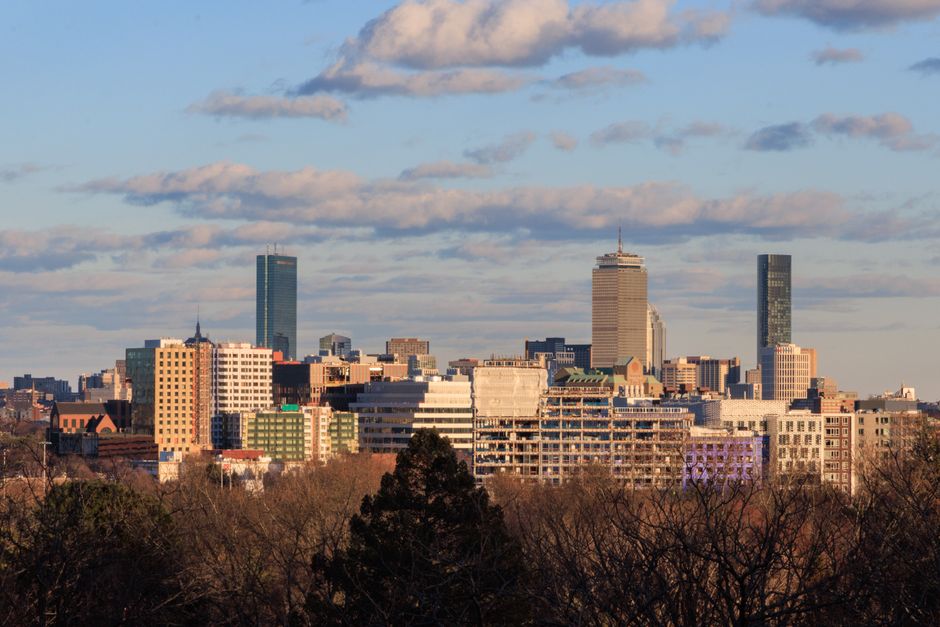
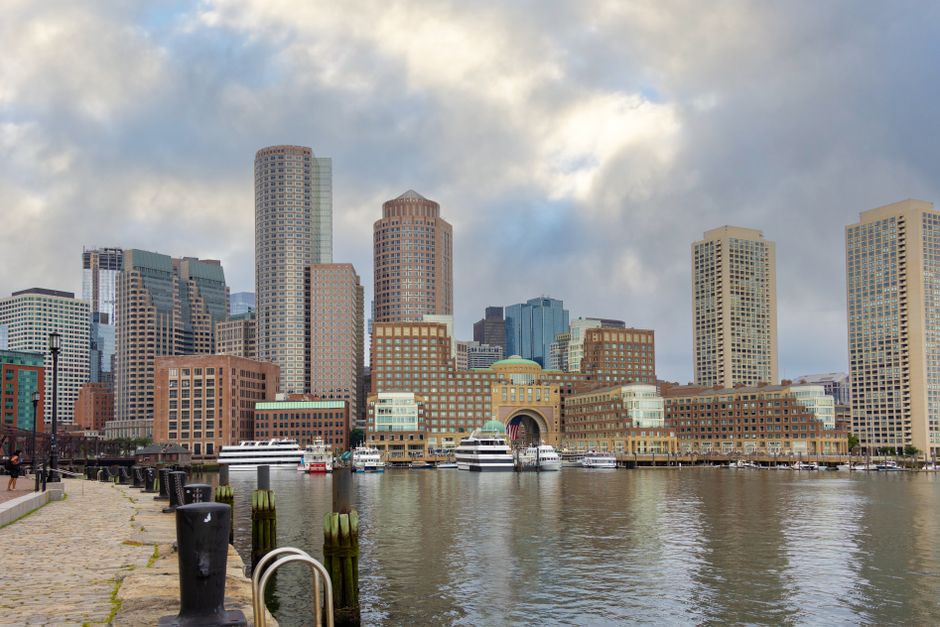
Walk along the Charles River Esplanade on any weekday morning, and you'll spot them: seniors in moisture-wicking jackets, moving with purpose. Yet Boston's senior wellness participation tells a more complex story than the visible joggers suggest. While global trends—particularly in Scandinavia, where 70% of adults over 60 engage in regular physical activity—show what's possible, Boston hovers closer to the U.S. national average of 28% among older adults, according to recent CDC data.
The gap matters. Globally, active aging has shifted from niche pursuit to public health priority. Nordic nations integrate mobility work into municipal programming, subsidizing gym memberships and designing age-inclusive trails. Meanwhile, Boston's approach remains fragmented: world-class research at Harvard and MIT generates insights about joint health and exercise dosing, yet uptake across neighborhoods varies dramatically.
But change is visible. The Boston Parks and Recreation Department has expanded its senior fitness programming in Dorchester and Jamaica Plain, with low-impact walking groups now departing from community centers twice weekly. The Freedom Trail, while not designed specifically for older walkers, has seen increased adoption among 60-plus visitors working with local physical therapists to build endurance. Brigham and Women's Hospital's Healthbeat initiative now offers subsidized fitness classes targeting balance and mobility—a direct response to fall prevention data that showed Boston seniors experience hospital admissions at rates above regional benchmarks.
Local wellness vendors are catching up to the trend. Boutique studios in Beacon Hill and Cambridge increasingly offer modified yoga and strength classes, though prices—typically $25 to $35 per session—remain steeper than subsidized municipal options. Meanwhile, organizations like the Council on Aging have partnered with Tufts University researchers to pilot community-based mobility programs, bringing evidence-based interventions directly into neighborhood centers.
The marathon culture that defines Boston's fitness identity has historically skewed younger. Yet the 2025 Boston Marathon featured 340 finishers aged 70 or older—a 12% increase from five years prior—suggesting a philosophical shift toward lifelong movement.
Experts note that Boston's research institutions position the region to lead nationally on active aging. Unlike global leaders, however, implementation requires bridging the gap between academic findings and accessible, affordable community programming. That infrastructure—subsidized classes, age-friendly trail design, integration with primary care—remains the real marathon ahead.
This article was compiled by AI from the sources linked above and screened before publishing. See our editorial standards.