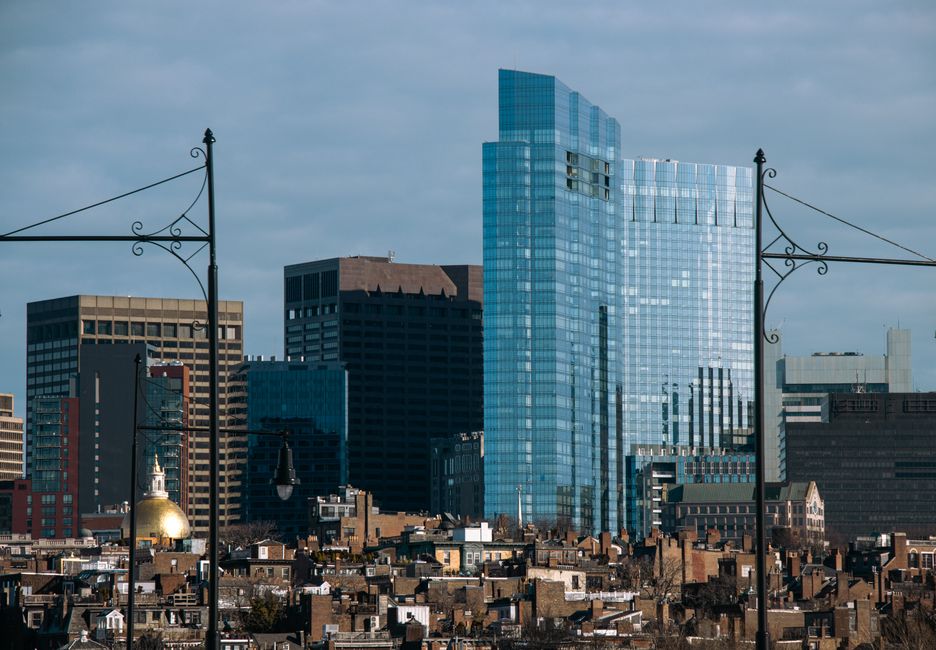
Boston's reputation as a running city is well-earned, and the good news for budget-conscious fitness enthusiasts is that some of the best trails and wellness resources come with zero price tag. Whether you're training for the Boston Marathon or simply looking to build a sustainable exercise habit, the city offers surprisingly accessible options for outdoor fitness.
The Charles River Esplanade remains the crown jewel of Boston's free running infrastructure. The 17-mile loop—stretching from the Museum of Science to Watertown—costs nothing to access and accommodates runners, walkers, and cyclists year-round. The paved pathways along Memorial Drive and Storrow Drive offer consistent footing and stunning views of both Cambridge and Boston's skyline. Early mornings typically draw the largest crowds, particularly during summer months.
For those exploring downtown, the Freedom Trail's 2.4-mile route connects historic landmarks while providing a moderate-intensity walk. Starting at Boston Common—itself a free wellness hub with 50 acres of green space—the trail winds through neighborhoods including the North End and Charlestown, combining cardiovascular activity with cultural engagement.
Beyond trail access, Boston's hospital network and universities provide underutilized community wellness resources. Mass General and Brigham and Women's Hospital both offer free health screenings and wellness seminars through their community outreach programs. Harvard's T.H. Chan School of Public Health occasionally hosts free public lectures on exercise science and longevity—invaluable for anyone wanting evidence-based guidance on injury prevention.
The city's Parks and Recreation Department operates numerous free fitness classes in neighborhood parks throughout summer months. Programs vary by district, but typically include outdoor yoga, tai chi, and group walks. Registration is straightforward through the city's website, and classes run from June through September.
Running clubs throughout Boston—including groups organized through local running stores like Marathon Sports on Newbury Street—offer free or low-cost membership options. These communities provide accountability, route knowledge, and injury prevention tips without requiring expensive personal training.
For those seeking professional guidance on a budget, some physical therapy clinics at Boston-area hospitals offer free initial consultations. Given the recent wellness trend around joint protection through smaller, consistent movement doses, this resource proves particularly valuable for runners concerned about injury.
The key to sustaining an outdoor fitness routine in Boston is leveraging these abundant free resources—the trails, the community programs, and the local expertise—rather than assuming wellness requires significant financial investment. The city's running culture thrives precisely because its infrastructure welcomes everyone.
This article was compiled by AI and screened before publishing. See our editorial standards.