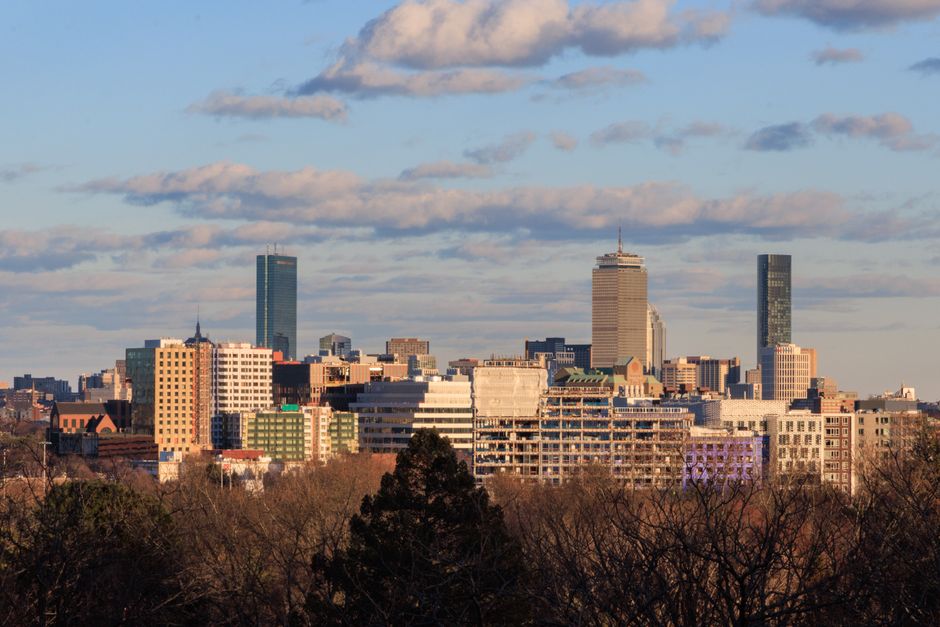
How to Start a Walking Group in Your Neighbourhood
Boston's vibrant street culture makes it the perfect city to launch a community walking initiative—here's what you need to know.
Boston's vibrant street culture makes it the perfect city to launch a community walking initiative—here's what you need to know.
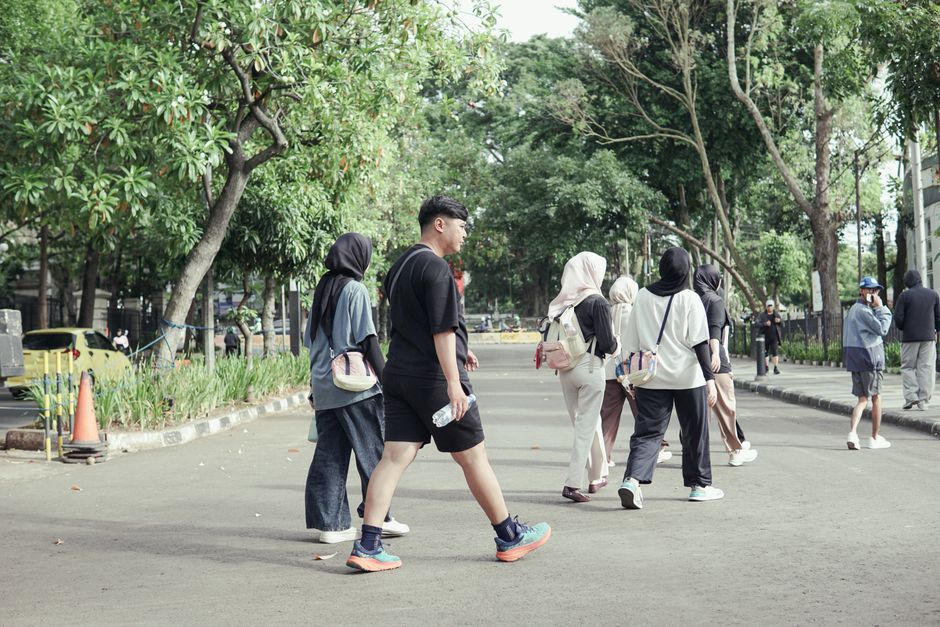
Walking groups have become a cornerstone of neighbourhood wellness across Boston. Whether you're navigating the brick sidewalks of Beacon Hill or the tree-lined streets of Jamaica Plain, a neighbourhood walking group creates accountability, builds social connection, and transforms exercise into something sustainable. The question isn't whether your neighbourhood needs one—it's how to start it.
Begin by identifying your core group. You don't need dozens of people. Three to five committed walkers can anchor a new group. Post flyers at local coffee shops, libraries, or community centres in your neighbourhood—the Boston Public Library's branch locations are ideal hubs for spreading the word. Neighbourhood Facebook groups and Nextdoor are equally effective. Many Bostonians already use these platforms for local recommendations, making them natural spaces to recruit founding members.
Choose a realistic route and schedule. Morning walks work well for working professionals, while evening strolls suit different schedules. If you're in the Back Bay, consider routes along the Charles River Esplanade's 3-mile pathways. Neighbourhoods like Somerville offer quieter alternatives through Davis Square or along the Mystic River. Start with achievable distances—2 to 3 miles is sustainable for most fitness levels and builds confidence. Consistency matters more than ambition; weekly walks at the same time help establish habit.
Communicate clearly and keep it informal. Use a group chat or email list to confirm attendance and share route details. Harvard and MIT's wellness research suggests that simple accountability structures—like knowing others are counting on you—significantly boost adherence. You're not organizing a marathon; you're building a ritual.
Consider safety basics. Well-lit routes matter for evening groups. The Freedom Trail offers established pathways through downtown Boston with clear sightlines. Ensure your group stays together and establish a comfortable pace that accommodates varying fitness levels. A slower-paced walk that keeps everyone talking is more valuable than a speed-focused outing that fragments the group.
Once established, your group naturally evolves. Some groups add seasonal variations—holiday walks through decorated neighbourhoods or spring routes to nearby parks. Others expand to include coffee stops or rotate leadership. The Boston Parks and Recreation Department sometimes partners with community groups for organized walks, offering additional resources and visibility.
Starting a walking group requires minimal investment and maximum return. You'll likely find that the accountability you create for others becomes your own motivation. In a city defined by its neighbourhoods and walkability, a neighbourhood walking group isn't just wellness infrastructure—it's community building disguised as exercise.
This article was compiled by AI from the sources linked above and screened before publishing. See our editorial standards.
How does this story make you feel?
Spread the word
About this article
Published by The Daily Boston
Daily brief
Free, in your inbox before 7am. Weekdays.
More in Wellness