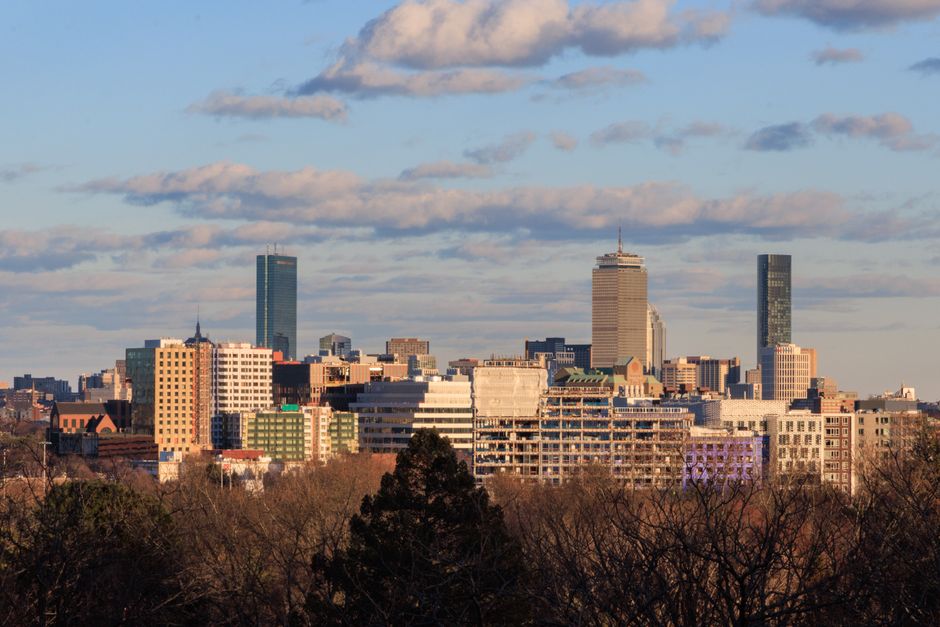
Walk into any coffee shop along Newbury Street or Boylston Street these days, and you'll overhear conversations that would have seemed unusual five years ago: people comparing notes on their latest screening appointments, discussing colonoscopy schedules with the same casual ease they once reserved for weekend running routes along the Charles River Esplanade.
Boston's embrace of preventive health screening—the practice of catching disease before symptoms appear—has accelerated dramatically. Medical centers across the city, from Massachusetts General Hospital in Beacon Hill to Brigham and Women's Hospital in the Longwood Medical Area, report a surge in patients requesting comprehensive preventive screenings. The shift reflects a broader wellness consciousness taking root in a city already primed by Marathon culture and world-class research institutions.
"Preventive medicine used to feel optional," says the wellness landscape in Boston today. Now, it's becoming normative. Major employers headquartered in the Financial District and around the Prudential Center have integrated preventive screening into their benefits packages, covering everything from cardiovascular assessments to metabolic panels. Some companies offer on-site screening events, reducing friction and boosting participation rates among workers who might otherwise delay care.
The economics tell the story. A comprehensive preventive screening—including bloodwork, imaging, and specialist consultations—typically costs between $1,500 and $3,500 out-of-pocket, though insurance often covers significant portions. For Bostonians accustomed to investing in their health through gym memberships, boutique fitness classes, and wellness retreats, preventive screening represents a logical extension of that philosophy.
Harvard Medical School and MIT's wellness research initiatives have fueled momentum, with local studies demonstrating that early detection of conditions like hypertension, diabetes, and certain cancers dramatically improves outcomes and reduces long-term healthcare costs. That research credibility carries weight in a city where academic medicine influences cultural trends.
The movement isn't without complications. Access remains uneven: residents in neighborhoods like Mattapan and Dorchester report fewer nearby options compared to well-resourced areas near the hospitals clustered in the Back Bay. Wait times for specialists have extended as demand increases. Still, telehealth expansion and satellite clinics opening in underserved areas are beginning to address these gaps.
For Bostonians, the message is clear: preventive screening has shifted from an afterthought to a civic wellness expectation—as much a part of the city's health identity as running the Marathon or walking the Freedom Trail.
This article was compiled by AI from the sources linked above and screened before publishing. See our editorial standards.