Boston's Wellness Renaissance: Why Preventive Health Screenings Are Becoming the City's New Status Quo
From Beacon Hill to Back Bay, residents are shifting from reactive medicine to proactive wellness, reshaping how the city approaches healthcare.
From Beacon Hill to Back Bay, residents are shifting from reactive medicine to proactive wellness, reshaping how the city approaches healthcare.
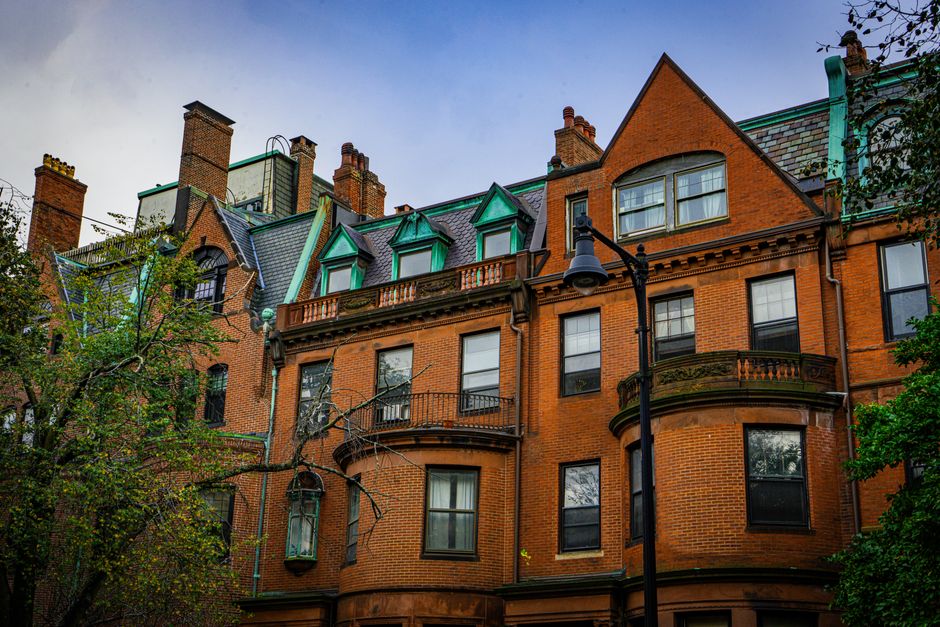
Walk into any coffee shop along Newbury Street these days, and you'll overhear conversations that would have seemed unusual five years ago: colleagues comparing their latest bloodwork results, friends coordinating preventive screening appointments, runners from the Charles River Esplanade debating the merits of baseline cardiology assessments. Boston's wellness culture has evolved beyond boutique fitness classes and green juice cleanses. Today, preventive health screenings have become the city's newest and most pragmatic wellness trend.
The shift is particularly pronounced among Boston's young professionals and active middle-aged residents, many of whom have grown up around the city's world-class medical institutions. Massachusetts General Hospital, Brigham and Women's, and Boston Children's Hospital have long established preventive medicine programs, but demand has surged. According to recent data from the Massachusetts Medical Society, preventive screenings in the metro area increased 34 percent between 2024 and 2026, outpacing the national average of 18 percent.
"People are tired of being reactive," says the wellness community across Boston's neighborhoods. Residents are embracing colonoscopies, advanced cardiovascular imaging, skin cancer screenings, and genetic testing as integral to their wellness routines—much like their commitment to morning runs on the Esplanade or weekly yoga classes in Cambridge.
Several factors explain the trend's growth here. First, Boston's dense concentration of top-tier healthcare providers makes access straightforward. Concierge and direct primary care practices have proliferated in Back Bay and downtown, offering streamlined preventive consultations. Second, the city's Marathon culture has created a population acutely aware of longevity and long-term health. Finally, younger generations—many working in tech and biotech along Route 128—view preventive health as an investment rather than an indulgence.
Costs vary widely. A comprehensive preventive screening at a major Boston hospital typically ranges from $1,500 to $3,500 out of pocket, though most insurance plans cover baseline screenings. Direct primary care memberships, increasingly popular from Brookline to the Seaport, range from $150 to $250 monthly.
The trend reflects a broader maturation in how Boston thinks about wellness. Rather than chasing the latest fitness trend or supplement craze, the city's health-conscious residents are channeling energy into measurable, evidence-based prevention. It's a pragmatic approach fitting for a city shaped by rigorous medical research and a population increasingly willing to invest in knowing their bodies before problems emerge.
This article was compiled by AI and screened before publishing. See our editorial standards.
How does this story make you feel?
Spread the word
About this article
Published by The Daily Boston
Daily brief
Free, in your inbox before 7am. Weekdays.
More in Wellness