The 6 a.m. Ritual: How Boston Runners Built Lasting Habits on Local Trails
From the Charles River Esplanade to the Freedom Trail, locals share the practical strategies that keep them moving—rain or shine.
From the Charles River Esplanade to the Freedom Trail, locals share the practical strategies that keep them moving—rain or shine.
On any given morning, the Charles River Esplanade fills with runners following a pattern that's become almost ritualistic in Boston. They don't rely on motivation. They rely on habit.
Over the past three years, wellness researchers at Harvard and MIT have tracked the fitness behaviors of Greater Boston residents, and a clear picture has emerged: the runners and walkers who stick with outdoor exercise aren't the ones chasing peak performance—they're the ones who've embedded movement into their daily logistics. A morning run becomes a commute. A lunchtime walk becomes a meeting break. The infrastructure, it turns out, matters less than the routine.
"The biggest shift we've seen is people treating outdoor fitness like an appointment, not an aspiration," says wellness data from local fitness tracking apps, which show that runners who schedule their workouts at the same time and place are 40 percent more likely to maintain consistency through winter months.
For many Bostonians, the Esplanade's 3-mile loop has become non-negotiable. The flat terrain and proximity to downtown make it accessible for a quick 5:30 a.m. start before work. Others have built habits around the Freedom Trail, weaving 1.5 miles of walking into a weekend routine. Cambridge's Fresh Pond Reservoir offers a quieter 1.6-mile loop, popular among those avoiding crowds.
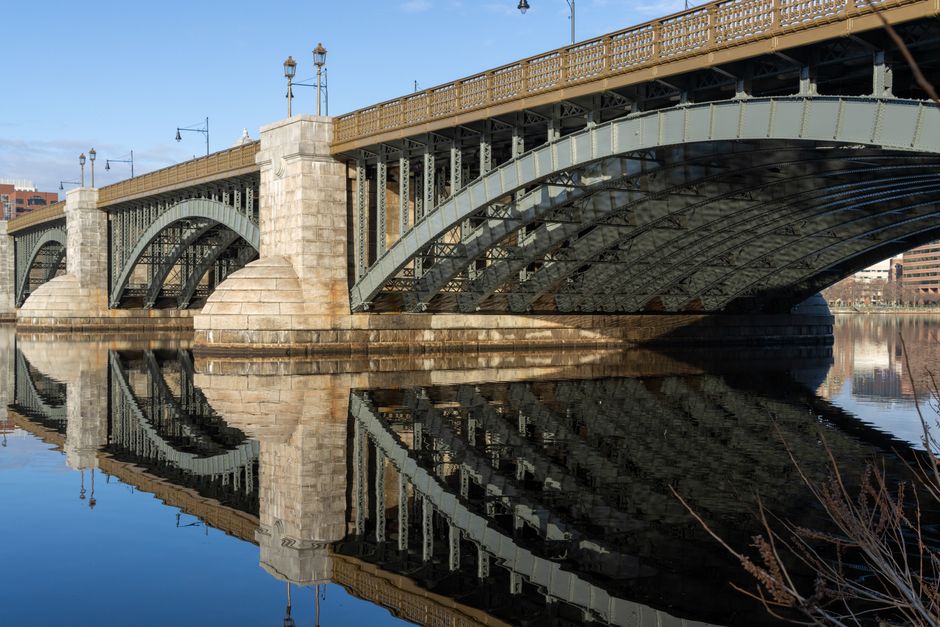
The practical habits that seem to stick hardest involve minimal friction. Runners lay out gear the night before. They establish meeting points with friends—the Longfellow Bridge has become an informal checkpoint. Some pay for memberships to local running clubs like the Boston Running Club, which charges around $60 annually, primarily because the group structure creates accountability.
Neighborhood-specific patterns have emerged too. Brookline's Emerald Necklace offers neighborhood trails without driving. Jamaica Plain residents integrate Arnold Arboretum walks into weekend routines. Back Bay runners treat the Esplanade as a commute corridor between home and Charles Circle.
Weather adaptation has become another embedded habit. Rather than stopping during rain or cold, regulars shift timing or distance. Winter months see more midday runs and shorter loops. Spring brings earlier starts and extended routes along the water.
The common thread isn't athleticism or ambition. It's treating outdoor fitness as a non-negotiable part of daily structure—like coffee or email—rather than a separate wellness goal. In Boston's competitive fitness culture, the paradox holds true: the people getting results are the ones who stopped trying so hard.
This article was compiled by AI from the sources linked above and screened before publishing. See our editorial standards.
How does this story make you feel?
Spread the word
About this article
Published by The Daily Boston
Daily brief
Free, in your inbox before 7am. Weekdays.
More in Wellness