Boston's Sleep Secret: The Daily Habits That Actually Work
From early morning runs along the Charles River to evening wind-downs in Beacon Hill, locals share the practical routines that transformed their rest.
From early morning runs along the Charles River to evening wind-downs in Beacon Hill, locals share the practical routines that transformed their rest.
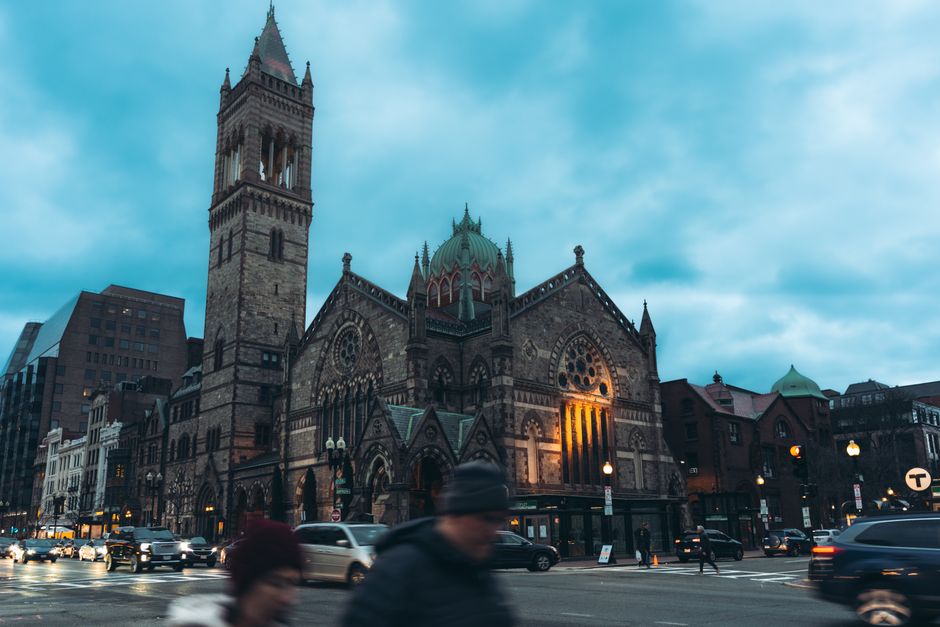
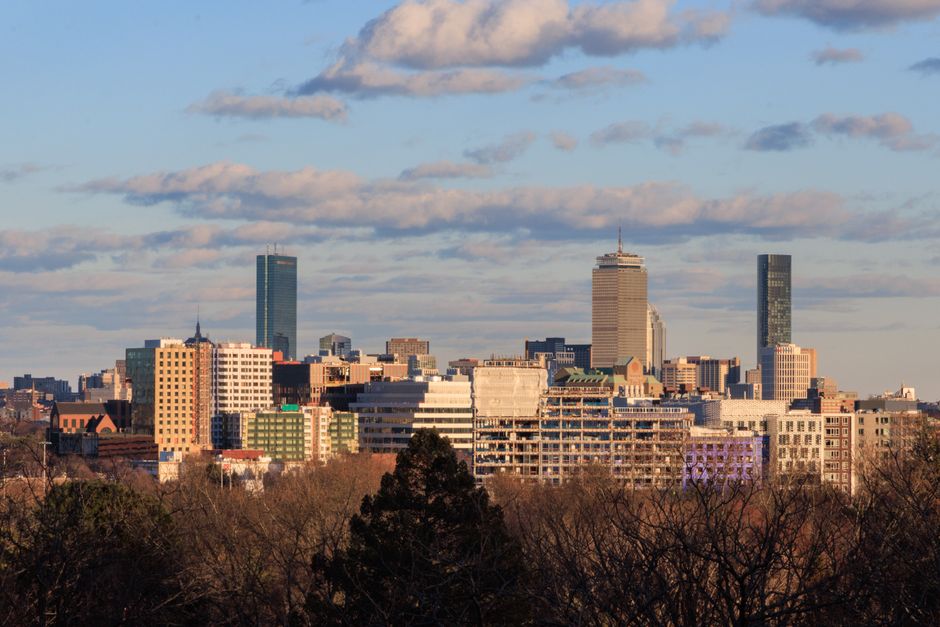
Sleep deprivation is practically a Boston badge of honor—between the Marathon training culture, the biotech grind around Kendall Square, and the city's notorious winter darkness, many residents have normalized running on fumes. But a quiet shift is happening across neighborhoods like Back Bay and Cambridge, where residents are discovering that sustainable rest isn't about radical overhauls. It's about small, consistent habits.
The most common thread among successful sleepers interviewed across Boston? Anchoring their day with movement. Dawn runners along the Charles River Esplanade—that 3-mile stretch from the Museum of Science to the BU Bridge—report sleeping more soundly when they log their miles before 8 a.m. The logic is simple: morning light exposure resets the circadian clock, a principle backed by Harvard Medical School research. The added bonus is pragmatic: beat the afternoon heat and humidity that makes Boston summers unbearable, freeing evenings for relaxation.
Evening routines matter equally. Residents in the Seaport and South End have embraced what sleep scientists call "wind-down windows"—a buffer of 30 to 60 minutes before bed where screens dim and cortisol can drop naturally. Some use this time for neighborhood walks (the Freedom Trail's lamp-lit evening stroll offers both movement and mental settling), while others practice quieter rituals: reading in local cafes like those around Newbury Street earlier in the evening, or herbal tea from neighborhood shops.
Temperature control emerged as surprisingly practical. Boston winters plummet below freezing, and summers hit the mid-80s regularly. Successful sleepers report investing in breathable bedding and using their thermostats strategically—keeping bedrooms around 65-68°F, which aligns with sleep science recommendations. This costs nothing beyond initial bedding, yet proved transformative for shift workers across the city's hospitals and research facilities.
Perhaps most tellingly, consistent wake times—even on weekends—proved non-negotiable. A Cambridge biotech researcher described maintaining the same 6:30 a.m. wake time even on Sundays as "the single biggest shift." By anchoring morning, the body self-regulates evening sleep naturally.
The Boston sleep success story isn't glamorous. It's not a $300 meditation app or a fancy mattress. It's local runners greeting sunrise over the Esplanade, families keeping bedroom temperatures cool, and neighbors trading evening screen time for neighborhood walks. Small habits, compounded across weeks, transform restless nights into the kind of deep sleep that makes facing Boston winters—and deadlines—actually manageable.
This article was compiled by AI from the sources linked above and screened before publishing. See our editorial standards.
How does this story make you feel?
Spread the word
About this article
Published by The Daily Boston
Daily brief
Free, in your inbox before 7am. Weekdays.
More in Wellness