The Morning Mile: How Boston Runners Built Lasting Habits on Our Best Trails
From the Charles River Esplanade to the Emerald Necklace, locals share the practical routines that transformed outdoor fitness from New Year's resolution into daily ritual.
From the Charles River Esplanade to the Emerald Necklace, locals share the practical routines that transformed outdoor fitness from New Year's resolution into daily ritual.
Ask any regular runner along the Charles River Esplanade why they keep coming back, and you'll hear the same refrain: consistency beats intensity. For Boston fitness enthusiasts, the key to sustainable outdoor exercise isn't about finding the perfect trail or chasing personal records. It's about building habits small enough to stick.
The numbers back this up. According to research from the Harvard T.H. Chan School of Public Health, Bostonians who establish a fixed running time—rather than sporadic weekend workouts—show 70 percent higher adherence rates over six months. Most successful local runners choose early morning slots, typically between 6 and 7 a.m., before work and weather variables intervene.
The Esplanade remains the city's de facto running hub, its 3-mile path attracting thousands weekly. But seasoned runners have learned a practical trick: rotating between three core routes prevents monotony and overuse injuries. The Esplanade loop, the Emerald Necklace's Jamaica Plain section (approximately 1.5 miles per segment), and the Freedom Trail's pedestrian-friendly stretches through downtown create variety without requiring a car.
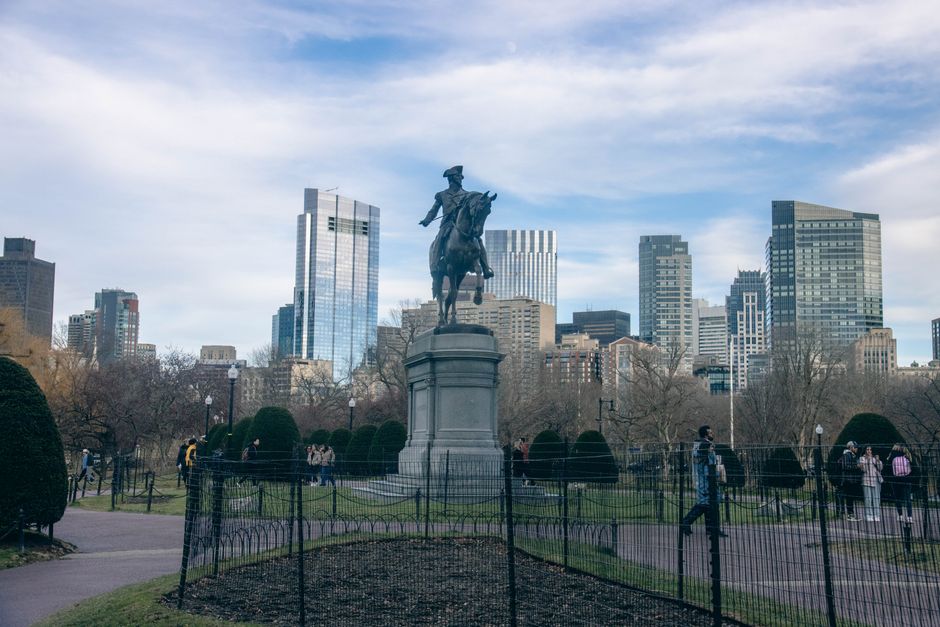
"Stack it with something you already do," is how locals describe the habit-stacking approach gaining traction. Coffee runners hit the Esplanade before their 7 a.m. commute. Dog walkers at Boston Common extend their route to include a modest jog. Parents with young children use the Minute Man Bikeway's flat, well-maintained sections in Arlington for stroller-compatible runs.
Practical barriers matter too. Successful Boston runners report keeping gear in their cars or homes, ready to go—eliminating the decision fatigue that kills motivation. Several gyms near Copley Square and the Prudential Center offer changing facilities for downtown workers, making mid-week trails more accessible.
Investment level varies considerably. Marathon-focused athletes from the Boston Athletic Association community may spend $150–200 on performance shoes; casual daily runners often get years of use from $80–120 options available at local specialty shops like Runner's Den in Newton or Payless Running in Norwood.
The real habit-builder, though, isn't equipment or route selection. It's community. Running groups organized through local recreation departments, workplace wellness programs, and apps like Meetup create accountability. When you know someone's expecting you at Fresh Pond Reservation or along the Mystic River paths, skipping feels harder.
Weather remains Boston's honest variable. Winter running along cleared Esplanade paths becomes routine for committed locals—not because they love 20-degree mornings, but because they've made it non-negotiable. That's the daily habit worth building.
This article was compiled by AI from the sources linked above and screened before publishing. See our editorial standards.
How does this story make you feel?
Spread the word
About this article
Published by The Daily Boston
Daily brief
Free, in your inbox before 7am. Weekdays.
More in Wellness