The Daily Rituals Keeping Boston's Older Adults Mobile: Five Habits That Actually Stick
From Esplanade loops to staircase challenges, local seniors share the unglamorous routines that preserve strength and independence.
From Esplanade loops to staircase challenges, local seniors share the unglamorous routines that preserve strength and independence.
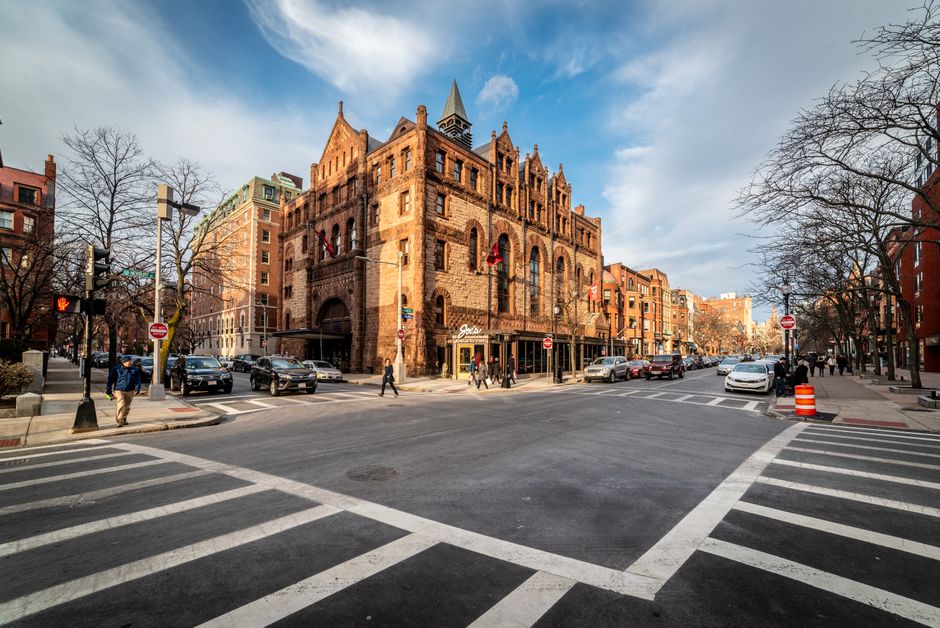
Walk along the Charles River Esplanade on any given morning, and you'll notice a pattern: older Bostonians aren't sprinting. They're strolling with intention, often with a friend, often stopping to note how a particular bend in the path feels easier than it did last month. This casual consistency—not intensity—appears to be the secret ingredient in mobility maintenance that local wellness researchers and active seniors themselves point to again and again.
"People think they need to commit to CrossFit or join an expensive gym," says the coordinator at the Boston Public Health Commission's Active Aging Initiative. "What we actually see working is incremental habit-stacking." The evidence supports this: regular low-impact movement—even 20 to 30 minutes daily—outperforms sporadic intense exercise when it comes to preserving joint health and preventing falls in adults over 65.
Consider the practical habits locals have woven into daily life. A Beacon Hill resident incorporates stair practice, deliberately taking the stairs in her Myrtle Street brownstone building multiple times daily rather than viewing them as inevitable inconvenience. A Jamaica Plain community center regular attends the same aquatic fitness class twice weekly—not for transformation, but for the predictability that builds accountability. The cost is roughly $85 monthly for unlimited access, a commitment that becomes self-reinforcing over time.
Balance work, often overlooked, has gained traction among the Boston Marathon-watching demographic. Simple habits like standing on one leg while brushing teeth or practicing heel-to-toe walking on the Freedom Trail's brick corridors engage proprioception without requiring equipment. Local physical therapists note these micro-practices prevent the cascade of mobility loss that often begins with a single fall.
The neighborhood element matters too. Residents of areas with walkable infrastructure—the Waterfront, Back Bay, Cambridge near Harvard Square—tend to accumulate movement naturally. Those in car-dependent zones report deliberately creating routes: parking farther away, timing errands to include a neighborhood loop.
Harvard and MIT researchers tracking aging populations have found that consistency beats intensity, and that social connection amplifies adherence. A walking buddy, a standing appointment at the Y on Charles Street, or even a group chat tracking weekly Esplanade miles creates accountability that willpower alone rarely sustains.
The common thread isn't heroic effort. It's the daily negotiation with gravity, stairs, and distance—made manageable through habits so small they barely register as exercise. That, Boston's active older adults demonstrate, is precisely what keeps mobility alive.
This article was compiled by AI and screened before publishing. See our editorial standards.
How does this story make you feel?
Spread the word
About this article
Published by The Daily Boston
Daily brief
Free, in your inbox before 7am. Weekdays.
More in Wellness