Fitness Challenges That Bring the Community Together
From organized running clubs along the Charles River to neighborhood-based wellness competitions, Boston's fitness events are redefining what it means to exercise as one.
From organized running clubs along the Charles River to neighborhood-based wellness competitions, Boston's fitness events are redefining what it means to exercise as one.
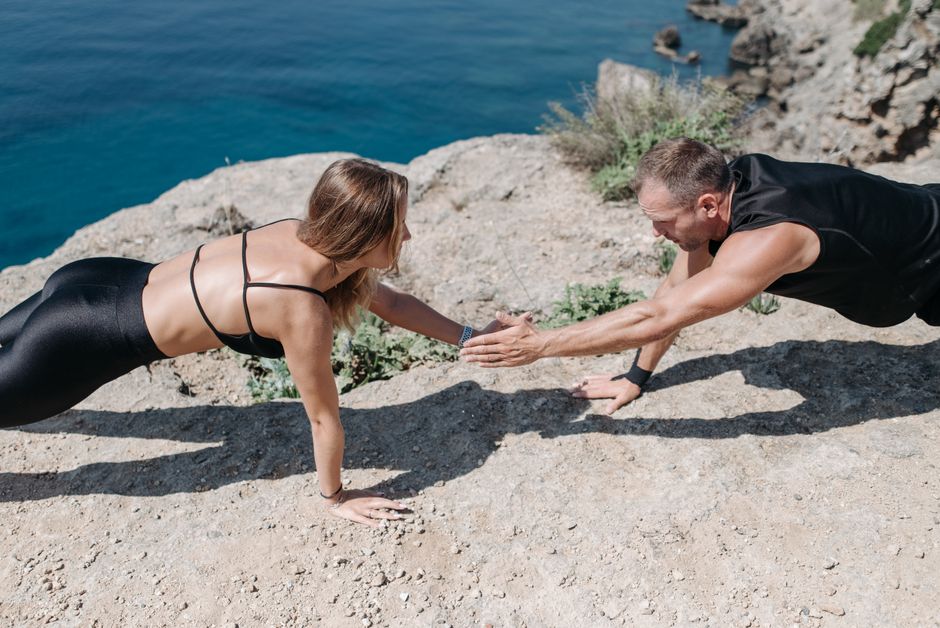
Boston has long celebrated individual athletic achievement—the Marathon, the rowing clubs, the Harvard and MIT athletics programs. But in 2026, something quieter and equally powerful is reshaping how thousands of Bostonians approach fitness: community-driven challenges that prioritize connection over competition.
The shift is visible along the Charles River Esplanade, where running clubs have grown from loosely organized meetups to structured challenges with thousands of participants. Organizations now host weekly "streak" competitions, where members earn points not just for miles logged but for bringing new participants into the fold. The Esplanade Running Community's summer challenge, which began in June, has already attracted over 2,400 runners across neighborhoods from Cambridge to Watertown, many motivated as much by group accountability as personal records.
Similar energy is building in neighborhood-based fitness initiatives. The Back Bay and Beacon Hill Walking Challenge, organized through local community centers, incentivizes residents to complete the Freedom Trail not as a solo tourist activity but as part of structured group walks, with monthly meetups and milestone celebrations. Participation has nearly doubled since 2024, suggesting that shared experience resonates more than solitary achievement.
What makes these challenges work is their accessibility. Unlike traditional competitions requiring elite performance, community fitness events welcome all abilities. The Downtown Boston Workplace Wellness Initiative, now in its third year, encourages employees across the Financial District to join walking and cycling challenges during lunch hours. Registration costs roughly $25 per person for the season, but corporate sponsorships have reduced barriers for smaller companies.
Dr. Rebecca Chen, a researcher at the Harvard T.H. Chan School of Public Health, notes that group-based fitness challenges increase long-term adherence to exercise routines by nearly 40 percent compared to solo efforts. The social accountability—checking in with teammates, celebrating collective milestones—transforms fitness from obligation into community ritual.
The Boston Parks and Recreation Department has responded by designating June through September as "Community Fitness Season," amplifying marketing for existing programs while streamlining registration across multiple events. Registration for fall challenges opens July 1st, with options ranging from walking groups exploring neighborhood green spaces to cycling routes connecting Boston's major cultural institutions.
For Bostonians seeking to deepen their fitness practice alongside others, the message is clear: your neighbors are waiting to start together.
This article was compiled by AI from the sources linked above and screened before publishing. See our editorial standards.
How does this story make you feel?
Spread the word
About this article
Published by The Daily Boston
Daily brief
Free, in your inbox before 7am. Weekdays.
More in Wellness