Stay Mobile at 60+: Evidence-Based Tips That Actually Work in Boston
Local researchers and aging specialists reveal which strategies genuinely preserve movement and independence—and which don't—for older Bostonians.
Local researchers and aging specialists reveal which strategies genuinely preserve movement and independence—and which don't—for older Bostonians.
When Margaret Chen, 67, ditched her car three years ago, she didn't realize she was making one of the smartest mobility decisions of her life. Now she walks the Freedom Trail weekly and navigates Beacon Hill's brick sidewalks with confidence. "I move more because I have to," she says. "And that's been better for my hips than any gym I tried."
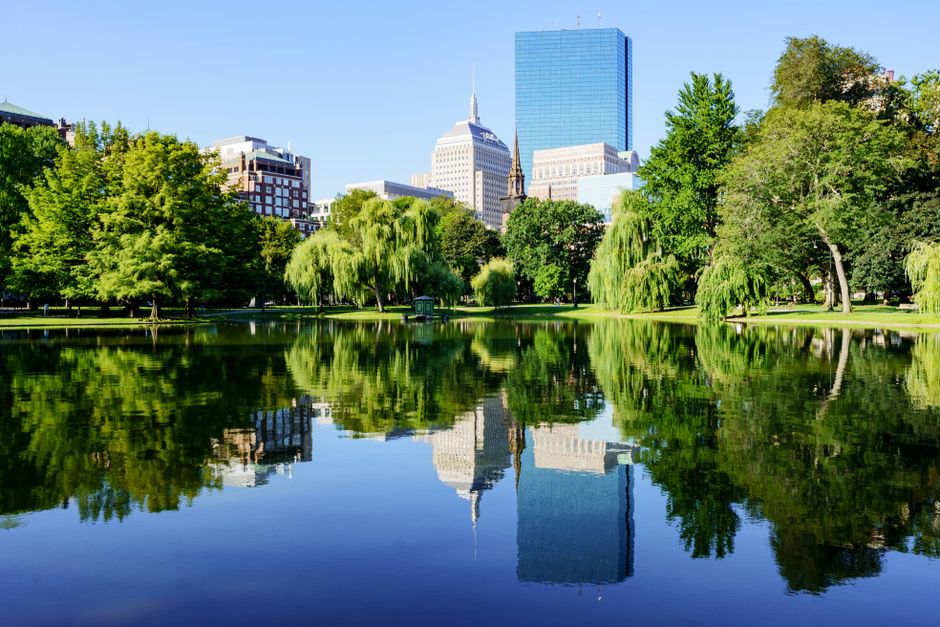
Chen's experience aligns with emerging research from Harvard's Division on Aging. A 2025 analysis found that older adults who integrate walking into daily errands—rather than treating exercise as separate—maintain better joint flexibility and balance over five years. For Boston residents, this means leveraging walkable neighborhoods: the Esplanade's paved paths near Charles Street, Cambridge's Fresh Pond Loop, or even the gentle terrain of Boston Public Garden.
But Boston's climate and terrain present real challenges. Winter icing on Comm Ave sidewalks increases fall risk by 40% among seniors, according to Boston Medical Center orthopedists. The solution isn't avoiding winter—it's planning. Microspikes ($30–60 from local outdoor retailers) and routes on treated main streets beat giving up movement entirely. The BPL's Dudley and Copley branches now loan ice grippers free to patrons over 65.
Strength matters more than cardio for maintaining independence, says research from MIT's Agelab. Two 20-minute sessions weekly targeting legs and core—whether through tai chi classes at the Brookline Senior Center ($8 per class) or resistance bands at home—cuts fall risk by 35%. Boston's community centers offer free or low-cost options; the city's 40+ senior centers provide evidence-based programs like "Enhance Fitness" certified through the University of Washington.
Neighborhood terrain actually works in older Bostonians' favor. The varied grades on Beacon Hill, Back Bay, and Cambridge naturally strengthen stabilizer muscles—but only if you're consistent. Three-times-weekly walking beats sporadic outings, data shows. Local groups like Boston Running Company's walking clubs (free, meet Tuesdays at multiple locations) provide social motivation that sustains habits better than solo efforts.
Swimming at Harvard's pools or Cambridge YMCA ($60–100 monthly) offers low-impact resistance, critical for arthritic knees common among older adults here. The Charles River's water temperature peaks at 70°F in August—perfect for community swim programs geared toward 55+ participants.
The unsexy truth: consistency in your actual neighborhood beats trendy programs. A Brigham and Women's study found seniors who moved regularly in familiar environments maintained independence 40% longer than those who depended on formal classes. Walk your block. Know your sidewalks. That's the Boston advantage.
This article was compiled by AI and screened before publishing. See our editorial standards.
How does this story make you feel?
Spread the word
About this article
Published by The Daily Boston
Daily brief
Free, in your inbox before 7am. Weekdays.
More in Wellness