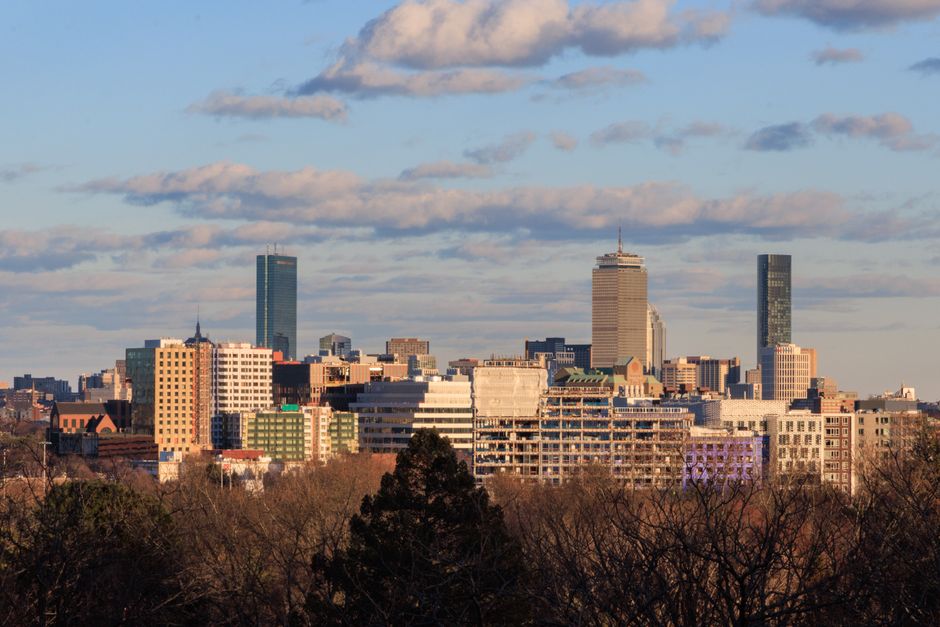
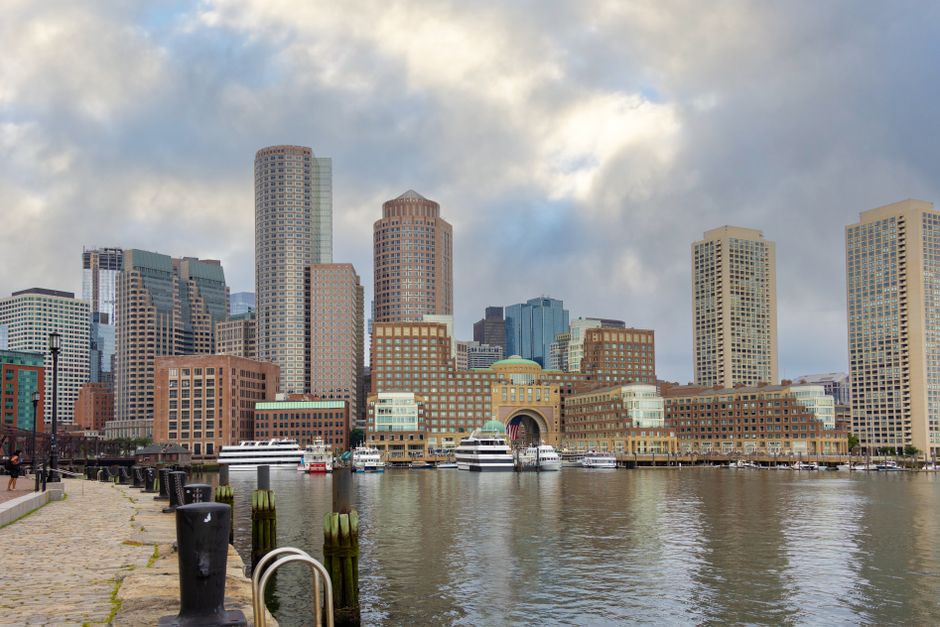
Boston's relentless pace—from the morning crawl on the Expressway to the competitive culture that bleeds from our top hospitals into everyday life—creates a particular breed of stress. But recent research from Harvard Medical School and MIT's Neuroscience Lab suggests that one-size-fits-all meditation apps miss what works for us locally. The answer? Evidence-based practices tuned to Boston's specific pressures.
First: the Charles River Esplanade isn't just scenic. A 2024 Massachusetts General Hospital study found that 20 minutes of "green-adjacent" walking—the kind you can do between Beacon Hill and Back Bay—lowered cortisol levels by 18 percent more than treadmill time. The river's openness combats what neuroscientists call "urban cognitive load," the mental exhaustion from density and noise. Aim for three times weekly, particularly October through April when Seasonal Affective Disorder peaks in New England.
Second: structured breathwork beats unguided meditation for stress-prone personalities. Boston's competitive culture often makes traditional "sit and breathe" feel unproductive. The Boston-based nonprofit Mind & Life Institute recommends the 4-7-8 technique (inhale for 4, hold for 7, exhale for 8) for exactly five minutes before high-stress moments—not open-ended sessions. This appeals to local sensibilities: measurable, time-boxed, efficient.
Third: social connection is measurable medicine. Harvard's Study of Adult Development, conducted here since 1938, found strong relationships reduce stress markers more effectively than expensive wellness retreats. Local book clubs, running groups on the Esplanade, or even the casual camaraderie of Freedom Trail walkers provide proven stress relief. The nonprofit Health Leads offers free community programs across Boston neighborhoods; their peer-led sessions cost nothing and deliver measurable outcomes.
Finally: winter-specific interventions matter. Light therapy during November-March—10,000 lux for 30 minutes at breakfast—is endorsed by the American Psychiatric Association and combats the regional depression spike. Several Boston-area practices, including those at Brigham and Women's, offer this service ($200-400 for devices, though some insurance covers it).
The pattern? Boston's stress isn't solved by escapism but by evidence-backed, locally embedded practices. Walk the Esplanade. Breathe intentionally. Show up for your community. Light therapy when the days shrink. None require leaving the city or spending a fortune—and all align with what our region's own research institutions have proven works.
This article was compiled by AI from the sources linked above and screened before publishing. See our editorial standards.