The Rise of Outdoor Boot Camps: What to Expect
Boston's fitness community is embracing high-intensity group workouts in parks and along the Charles River—here's what newcomers should know.
Boston's fitness community is embracing high-intensity group workouts in parks and along the Charles River—here's what newcomers should know.
Walk along the Charles River Esplanade on any weekday morning, and you'll notice clusters of people in athletic wear gathered on the grass, moving in synchronized burpees and mountain climbers. This scene has become as much a part of Boston's summer landscape as the rowers on the water itself. Outdoor boot camps—structured, high-intensity group fitness sessions typically held in parks and public spaces—have exploded across the city over the past three years, reflecting a broader national trend toward accessible, community-driven exercise.
The appeal is multifaceted. Unlike traditional gym memberships, which averaged $58 per month in 2025 according to fitness industry data, outdoor boot camps often run $15 to $25 per class, with many organizations offering introductory packages or drop-in rates. More importantly, they've democratized fitness. You don't need equipment, a reservation months in advance, or membership credentials. You show up.
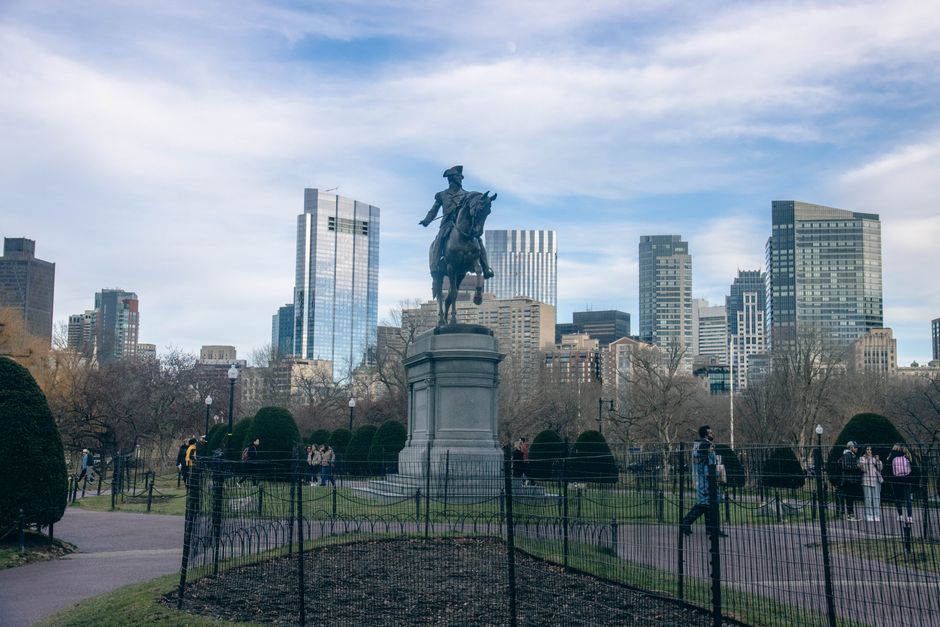
Boston neighborhoods from Beacon Hill to Jamaica Plain now host regular sessions. The Boston Parks and Recreation Department has partnered with certified fitness instructors to expand programming, particularly along the Esplanade and in Boston Common. Groups congregate near the Hatch Shell, along Memorial Drive in Cambridge, and increasingly in smaller neighborhood parks—spots that were previously underutilized for organized fitness activity. Harvard and MIT's wellness research programs have even begun studying the psychological and cardiovascular benefits of outdoor group exercise, with preliminary findings suggesting participants report higher adherence rates compared to indoor gym routines.
For newcomers, expectations should be realistic. Boot camps typically last 45 to 60 minutes and combine cardio, strength training, and functional movement. Instructors usually provide modifications for different fitness levels, though intensity can vary widely depending on the program. Weather is a factor—Boston summers are ideal, but spring and fall require flexibility. Some groups continue year-round, though attendance naturally dips during winter months.
The marathon culture that defines Boston has clearly influenced this trend. Many boot camp participants cite them as training supplements, while others appreciate the community element that running groups like the Boston Running Club have long fostered. The outdoor boot camp model simply extends that philosophy beyond roads and trails into open green spaces.
Before joining, prospective participants should check local Parks and Recreation websites, social media pages of neighborhood fitness organizations, or apps that aggregate group fitness offerings. Most reputable programs list instructor credentials and class structure clearly. And while the high-energy, supportive atmosphere of these sessions is genuinely welcoming, remember that your pace is your own. The rise of outdoor boot camps reflects Boston's shift toward inclusive, affordable fitness—but success depends on finding the community and structure that works for you.
This article was compiled by AI and screened before publishing. See our editorial standards.
How does this story make you feel?
Spread the word
About this article
Published by The Daily Boston
Daily brief
Free, in your inbox before 7am. Weekdays.
More in Wellness