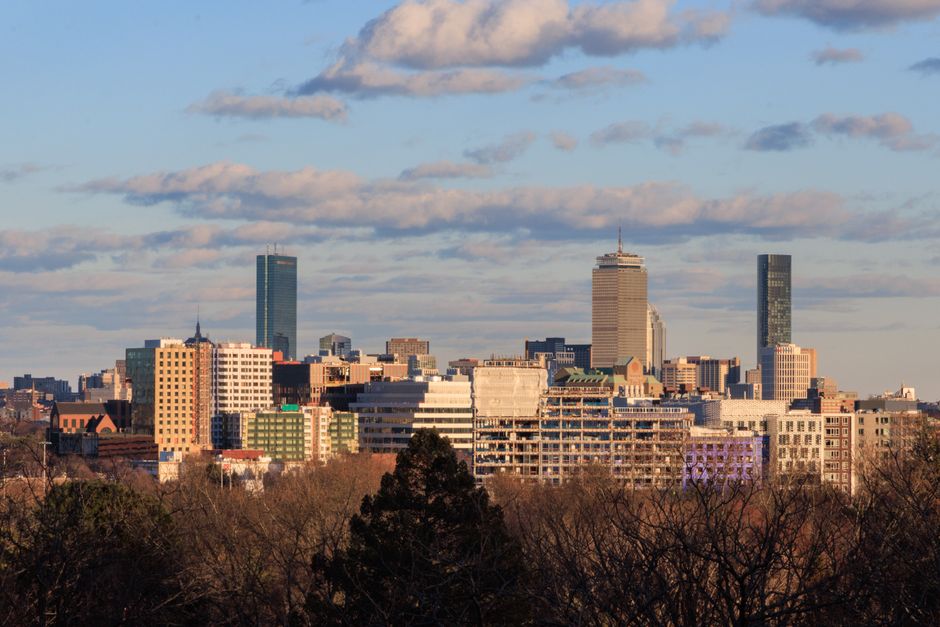
Boston's Free Senior Fitness Programs Are Quietly Transforming Neighborhood Health
From tai chi on the Esplanade to aquatic exercise at municipal pools, the city's Parks and Recreation Department is removing barriers to wellness for older adults.
From tai chi on the Esplanade to aquatic exercise at municipal pools, the city's Parks and Recreation Department is removing barriers to wellness for older adults.
For residents over 60 in Boston, staying active no longer requires a gym membership or fitness class fees. The city's Parks and Recreation Department has quietly expanded a network of free senior fitness programs across neighborhoods, offering everything from low-impact water aerobics to guided walking tours along the Freedom Trail—all at zero cost.
The initiative responds to a growing wellness gap. A 2024 survey by the Boston Public Health Commission found that 31% of seniors reported sedentary lifestyles, with cost cited as the primary barrier. Enter the council-funded programs: morning tai chi sessions at the Charles River Esplanade near the Longfellow Bridge, free aquatic exercise classes at pools in Roslindale and Jamaica Plain, and structured walking groups departing from community centers in Dorchester and Allston.
"These aren't token programs," says the city's Parks and Recreation office. The 2026 budget allocated $1.2 million specifically for senior wellness initiatives, a 40% increase from 2023. Sessions run year-round, with winter programming shifted indoors and expanded spring and summer schedules along neighborhood green spaces.
The practical benefits extend beyond cardiovascular health. Regular participants report improved balance, joint mobility, and social connection—factors research from Harvard's T.H. Chan School of Public Health has linked to longevity and mental wellness. One Beacon Hill resident described the Wednesday morning walking group as "preventive medicine wrapped in community."
Registration is straightforward. The city's website lists all programs by neighborhood, with class times, locations, and instructor contact details. Most sessions accommodate varying fitness levels. The aquatic programs, for instance, cater to swimmers and non-swimmers alike, focusing on gentle range-of-motion exercises in heated pools.
Accessibility remains a priority. Programs are distributed across the city—ensuring residents near Copley, around the Boston Common, and in outer neighborhoods like West Roxbury have nearby options. Free transportation is available for seniors with mobility limitations, coordinated through the city's Office of Elderly Services.
For decades, Boston's wellness infrastructure catered to younger, wealthier demographics with disposable income for boutique studios. These free senior programs signal a philosophical shift: fitness should be a public health utility, not a luxury commodity. As the city's population ages and healthcare costs climb, preventive community exercise looks less like a perk and more like infrastructure.
To explore programs in your neighborhood, visit the Boston Parks and Recreation website or call the Senior Services hotline. Classes begin as early as 8 a.m., making morning fitness accessible for early risers and night-owl schedules alike.
This article was compiled by AI from the sources linked above and screened before publishing. See our editorial standards.
How does this story make you feel?
Spread the word
About this article
Published by The Daily Boston
Daily brief
Free, in your inbox before 7am. Weekdays.
More in Wellness