If you're over 60 and worried that staying active means expensive gym memberships or boutique fitness classes, Boston's wellness landscape has good news. The city's hospitals, parks, and community organizations have quietly built an infrastructure of free and low-cost programs specifically designed to keep older adults moving—without the premium price tag.
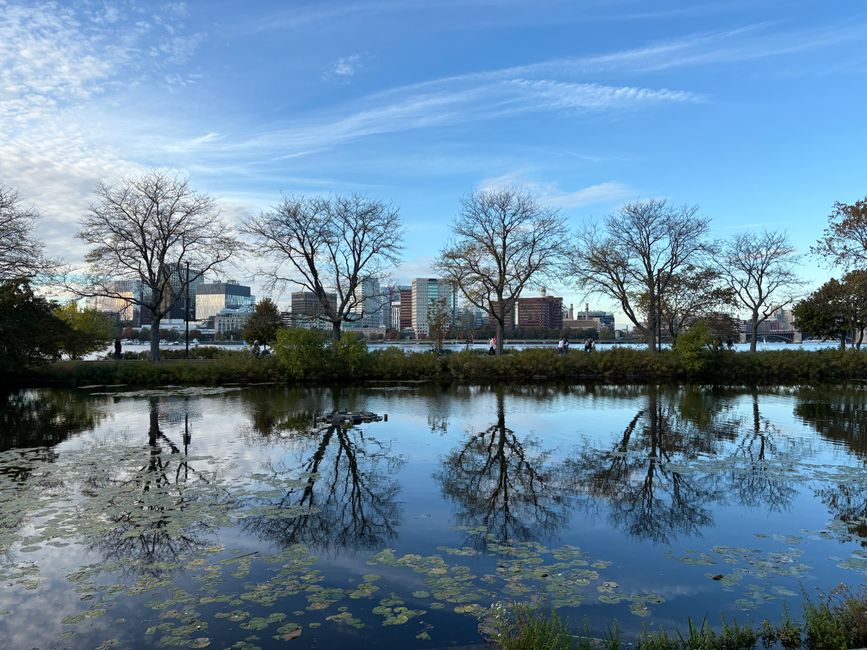
The Charles River Esplanade remains one of the region's greatest free assets. Beyond the obvious jogging path, the Esplanade Association runs free senior walking groups during warm months, meeting near the Hatch Shell. Walking remains among the most joint-friendly activities for active aging, and doing it with others addresses both mobility and isolation—two factors that matter equally for healthy longevity.
For structured programming, the Boston Parks and Recreation Department operates senior fitness classes across all neighborhoods. The Roslindale Community Center and Uphams Corner centers each offer subsidized movement classes, typically $2–5 per session. Harvard and MIT's gerontology research teams have also embedded low-cost clinics into their community health initiatives, particularly around Kendall Square and the Longwood Medical Area, where physical assessments often cost between $20–40.
The Freedom Trail, that iconic 2.4-mile walking route through downtown and Beacon Hill, doubles as a guided mobility project. Several volunteer-led groups conduct free Saturday morning walks targeting older adults, breaking the trail into manageable segments. It's gentle exercise wrapped in local history—something that matters psychologically when building sustainable habits.
Boston's major health systems—Mass General, Brigham and Women's, Boston Medical Center—all run free or nominal-cost senior wellness seminars covering balance, fall prevention, and mobility adaptation. Check their community health calendars online; most are held in accessible neighborhood locations rather than hospital campuses.
For those with limited mobility or transportation challenges, the YMCA of Greater Boston operates sliding-scale memberships, with seniors paying as little as $10–15 monthly for pool access and adaptive fitness classes. Water-based exercise particularly benefits arthritic joints while building cardiovascular capacity.
Finally, many Boston neighborhoods host free tai chi and gentle yoga through local recreation departments—often taught by certified instructors volunteering for community benefit. Call ahead to confirm current schedules, as these rotate seasonally.
The barrier isn't finding affordable wellness in Boston. It's deciding where to start. Pick one neighborhood venue, one activity, and commit to showing up. That's where active aging actually begins.
This article was compiled by AI from the sources linked above and screened before publishing. See our editorial standards.